Tourist Office
Plaza España, 1, 23140 Noalejo



Noalejo is a municipality located in the southwestern end of the Sierra Magina region, already on the border with the province of Granada, with an extension of 49 km2.
The municipality of Naparteño comprises two cores Population: Noalejo and Hoya de Salobral.
Su extended term of 30 km. of length and a maximum of 3 km. width, extends as a the border between the provinces of Jaén and Granadathrough it the main channels of communication between the two provinces, highlighting the A-44 (Sierra Nevada- Tropical Coast highway). In Noalejo The pastures and the oak mountains, sometimes very well preserved, stand out.
Economic activity of the town revolves around the olive and its processing industry. It is also grown almond and the gardens in Navalcán and in the Vega of the Alminares River. Gozan of a lot of fame the pork sausages which are made in this municipality.
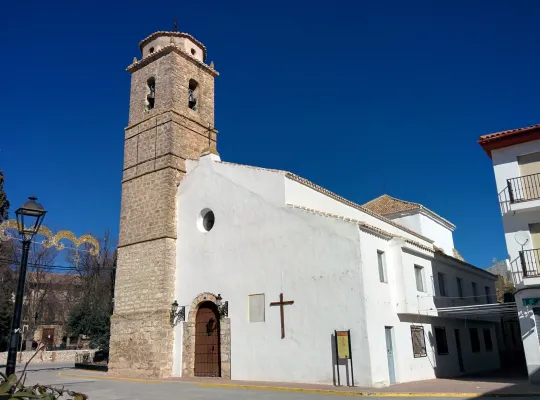
The main architectural jewel of the municipality is the church of Our Lady of the Assumption, built between 1570 and 1575. It's a mudejar plant and has a single ship.
Is part of


Details of your artistic heritage:
Noalejo, with an extension of 49 km ²It's an elongated 30-km-long strip of land. for a maximum of 3 km. wide. For those 30 kilometers it makes border between the provinces of Granada and Jaén.
We can say that practically the whole term is a natural place, although we can highlight the places of Navalcán, Nava Alta, Nava Baja, Sierra de la Granadina, Navalbunny or the Alta Coloma saw.
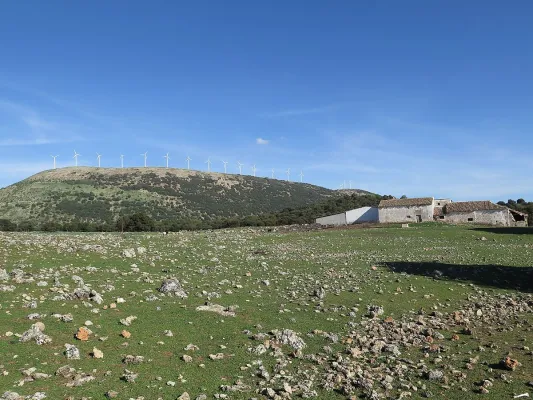
A landscape in which The mountains stand out (Sierra del Trigo, 1681 m.; Sierra de la Alta Coloma, 1606 m.), the hills (Santa Merced, Cerro Prieto and Cerro de la Mesa in the Hoya de Salobral), lomas (the most outstanding is the Loma de las Viñas) and the forests (like the pine trees of Cerro Prieto and Navalcán, and also of oak trees).
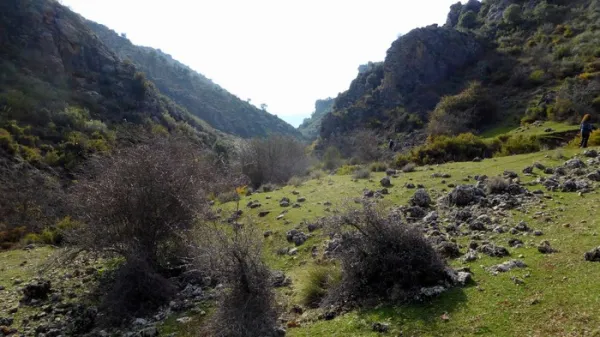
The term Noalejo presents the typical Mediterranean forest, characterized by housing a xerophyll vegetation, plants adapted to drought. The oaks, coscojas, cornicabra, torvisco, aulagas, rosemary and white jara predominate.
In the riverside areas we will find mixed deciduous forests, composed of chopos, willows, olmos, zarzamora, endrino...
Without forgetting the importance of mycology and between it: the cardo mushroom, the cane mushroom and the wild mushrooms.
From the fauna, we will find the typical species of the Mediterranean and mountain mountain: major hunting species: boar, muflon...; minor hunting (rabbit, perdiz, zorzales...); Insectivorous birds living in the olive tree, and the forest-specific fauna of gallery by the river line; amphibians and reptiles.
But the best way to know the landscape, fauna and flora of this territory is to visit one of the many places that offer us, among them all, we highlight:
Among the many festivities held in Noalejo, we highlight:
Among the many activities planned there is no lack of "bulls" of braves.
The gastronomy of Noalejo is based mainly on the products derived from the slaughter of the pig.
This town, with its altitude (the city centre is more than 1000 m.), is ideal for healing sausages. This morning tradition has led to the survival of a dish known to the "San Antonio pot," The ingredients are: white beans and dried beans in soak, to which is added a payroll of pork products: spinach, salt ribs, ham bone, an ear and pig tail, all well boiled next to a garlic head, an onion and pepper.
Another typical dish is the "Noooooooooooo," and a vianda that usually prepared the shepherds on the mountain for dinner. It is a hot soup made with water, vinegar, olive oil, ground garlic, salt and ground pepper. In addition, after boiling, a slice of previously roasted bread is added.
In addition, it has these Other dishes: bonus cake, green olives, stuffed eggs, old clothes and shepherd's crumbs.
From the pastry shop We point out: Christmas, sweet gachas, wind coffins...
The oldest testimonies of the human presence in the term of Noalejo are the cave paintings of Navalcan's coatwhich had to be carried out between the end of the Neolithic and the Bronze Age.
The foundation of Noalejo as a village of lordship goes back in the early 16th century. In its history we can set four stages:
Noalejo was founded by Ms Mencía Salcedo, which is the most important character in the history of the municipality and is surrounded by a certain legendary dye by the neighbors. (Mencía Salcedo was a woman at the service of the Royal House of Charles V and his son, Philip II).
In 1568 the municipality was assigned by Bula to the Abbey of Alcalá la Real and when the abbey was abolished in 1851, it was finally integrated into the diocese of Jaén.
At the end of the 20th century, the fall in the profitability of agricultural land was one of the causes of the caused emigration to cities, industrial and tourist centres, with a significant decline in the number of inhabitants.
2
6