Saltar al contenido principal

Migas

Submitted by brandcode_deweloper on
4534455
Municipio
imagen
Image
shutterstock_144415474.jpg
Imagen principal
Activado
4
Medium
Break the bread into very small pieces by hand. In a large frying pan, heat a little oil; once hot, add the peeled garlic cloves and the peppers cut into pieces, along with the salt. Once everything is fried, remove the peppers and set them aside; in that same oil, add a handful of the broken bread and a glass of water. Once the water is boiling, add the rest of the bread, stir a little, and set it aside for a while, covering it with a kitchen cloth so it can "rest". Then, stirring constantly until cooked, from time to time press it into a flat cake shape, then break it apart again, repeating this until fully cooked.
Desactivado
• A loaf of stale bread • 4 heads of garlic • 5 green peppers • Fresh bacon • Chorizo sausages • Oil • A glass of water • Salt

Hornazo

Submitted by brandcode_deweloper on
4533848
Municipio
imagen
Image
41.jpg
Imagen principal
Activado
Medium
Gradually work the oil and aniseed into the bread dough, and once everything is well kneaded, shape the buns; place an egg in the centre of each one, securing it to the bun with strips of dough crossed over the top.
Desactivado
• 8 eggs (for decoration) • 300 g of water • 11–12 g of dried baker's yeast or 25 g of fresh baker's yeast • 125 g of extra virgin olive oil • 2 eggs • 1 teaspoon of salt • 1 tablespoon of aniseed or anise seeds • 125 g of sugar • 850 g of strong bread flour • 1 beaten egg for brushing • Sugar for dusting

San Antón Broad Beans

Submitted by brandcode_deweloper on
4533096
Municipio
imagen
Image
40.JPG
Imagen principal
Activado
4
Medium
Cook the pig's ear for one hour, then cook the broad beans in that same broth. Once cooked, make a sofrito with the garlic, onion, tomato, paprika, cumin and salt; when the sofrito is ready, combine it with the cooked broad beans and simmer for a while. It can be garnished with pieces of fried chorizo.
Desactivado
• ½ kg of dried broad beans • A pig's ear • Onion • Tomato • Cumin • Garlic • Paprika • Salt

Cocido Dumplings

Submitted by brandcode_deweloper on
4528806
Municipio
imagen
Image
10%20%281%29.jpg
Imagen principal
Activado
Medium
STEP 1 Finely chop the garlic cloves, a little parsley and a little serrano ham. STEP 2 In a plate or bowl, beat the eggs. Once beaten, add a splash of milk (this helps make the dumplings fluffier). Mix it in, then add the chopped garlic, parsley and ham. STEP 3 Next, sprinkle breadcrumbs over the egg mixture until covered. Leave to rest for about 10 minutes, then mix. If it looks too runny, add more breadcrumbs until you get a firm, workable dough. STEP 4 Now shape the mixture into balls, roughly the size of a large egg. Since the dough is sticky, you'll need to use a spoon to shape them. Take portions of the dough and shape them one by one. This amount should make around 8–10 dumplings. STEP 5. Cocido dumplings Place these balls into a pan with plenty of hot oil, over medium heat. Leave them on one side until golden, then turn them over and do the same on the other side. They don't take long to brown. STEP 6 Add the dumplings to the water in which the other ingredients (chickpeas, potatoes, meat...) are cooking, for about 10–15 minutes, so they soak up the flavours.
Desactivado
-2 garlic cloves -Parsley -Serrano ham -2 eggs -A splash of milk -Breadcrumbs -Oil for frying

Rabbit in Tomato Sauce

Submitted by brandcode_deweloper on
4676664
Distrito
imagen
Image
10.jpg
Imagen principal
Activado
30 Minuten
2
Medium
Pour olive oil into a deep frying pan or a stew pot large enough to hold everything. Be generous with the oil. Once it's hot, add the onion, red pepper, green pepper and the three garlic cloves. Stir well until everything combines nicely. Brown all the ingredients. The ingredients don't need to be fully cooked at this stage, as they'll finish cooking in the final step of the recipe. Have they turned that golden colour? Perfect: set them aside on a plate, and don't clean the pan or pot. Add a little more olive oil. As soon as it's hot, it's time to brown the rabbit meat in all that flavour. Turn the pieces of meat once they've quickly browned. Add the chilli peppers. Turn the rabbit pieces once more. The aim is to make sure you can no longer see the pink of the meat, but without overcooking it too much at high heat. Remember: everything will finish cooking harmoniously in the final step of the recipe. Once the meat is browned, place everything on a plate and reuse the same pan or pot. Over the mixture of aromas and fats left in the pan, add the tomato paste and the choricero pepper flesh. Stir the mixture. Add the crushed tomato, two bay leaves and the thyme. Season with salt and pepper to taste and stir everything well. Let it reduce for 10 minutes over low heat. Depending on how much tomato you like in the dish, you can increase or decrease the amount suggested. Meanwhile, the extra touch that adds flavour and colour to this dish is a splash of red wine. As we hadn't noticed it was missing until the moment we needed it, we chose to use 100 ml of chicken stock instead, which is also commonly used in this recipe elsewhere. Whether you use wine, beer or stock, you just need to reduce the sauce for 5 more minutes over medium heat. Now comes the step we mentioned earlier, where everything comes together. Once you have a good, thick tomato sauce with vibrant colours, add back everything you set aside earlier: the rabbit meat and the sautéed vegetables. Stir well. Cook for a further 5 minutes and serve. Straight from the pan or pot to the plate. That's it. Make sure each portion includes all the elements: meat, peppers, a garlic clove and a generous amount of tomato sauce.
Desactivado
• Crushed tomato, 225 g • Rabbit meat, 450 g • Meat or vegetable stock, 100 ml • Garlic cloves, 3 • Onion, 1 • Chilli pepper, 1/2 (optional, if you like it spicy) • Green pepper, 1/2 • Red pepper, 1/2 • Tomato paste, 1 tablespoon • Thyme, 1 tablespoon • Choricero pepper flesh, 1 teaspoon • Olive oil, 2 tbsp • Salt, to taste • Mixed peppercorns, to taste
Romualdo Abellán

Wheat Flour Migas

Submitted by brandcode_deweloper on
4676439
Distrito
imagen
Image
2.jpg
Imagen principal
Activado
2
Medium
The first step in preparing these wheat flour migas is to remove the stems from the green peppers, cut them into quarters, wash them to clean them and remove the seeds thoroughly, then drain them well. Then heat plenty of oil in a frying pan, and once it's very hot, fry the peppers, season with salt and set them aside in another dish for later. To continue making the Andalusian flour migas, while the peppers are cooking, prepare the batter or dough for the migas. To do this, mix the flour with the water in a bowl (or two bowls if you're making a large batch), stir well and leave it to rest until needed later. Once the peppers are fried, in the same oil fry the pork belly, cut into pieces, along with the whole garlic cloves, and set aside together with the peppers for later. Next, in the same pan, fry the fresh chorizo sausages, also cut into pieces, so that the oil for the migas takes on an exquisite flavour. Set aside with the rest of the fried ingredients. Now remove around 90% of the oil used, keeping it for later use, and add the wheat flour migas batter to the same pan. Stir constantly, cutting through the mixture with a spatula to help release the dough and form the Andalusian flour migas. From time to time, turn the migas over in the same pan so they keep separating, and cook them until nicely golden. It's a laborious job, as you need to keep chopping and stirring constantly so the migas don't stick or burn, but it's well worth it. Tip: Gradually add back the reserved oil as the migas start to dry out. To finish the flour migas, combine the sautéed peppers, pork belly, garlic and chorizo with the now-golden migas, and stir for about 5 more minutes so all the flavours fully blend together. Adjust the salt to taste. After that time, you can enjoy your wheat flour migas nice and hot at the table with friends and family. In Andalusia, it's traditional to serve them with pieces of seasonal fruit such as grapes, oranges and melon. But you can also eat the migas with olives, or even with grilled sardines. Give it a try!
Desactivado
• 12 green peppers • 750 grams of pork belly • 4 packets of garlic • 8 fresh chorizo sausages • 2 kilograms of wheat flour • 1,500 millilitres of water (6¼ cups) • Olive oil • Salt
Olga Gallego

Gazpacho

Submitted by brandcode_deweloper on
4676536
Distrito
imagen
Image
shutterstock_447504538.jpg
Imagen principal
Activado
4
Easy
For this recipe, it's important to use well-ripened, deep red tomatoes. This is what gives the dish its intense flavour. First, peel the tomatoes, garlic, onion and cucumber. Set aside. The traditional method involves crushing the garlic, onion and salt in a large earthenware bowl using a mortar pestle. Add the oil and work it in well with circular movements. Add the rest of the ingredients and crush thoroughly. Nowadays, a blender makes preparation much easier. Tip: If you want your gazpacho to gain in flavour and intensity, place all the ingredients in a bowl or large earthenware dish. First crush the garlic at the bottom. Add the bread, salt, oil and vinegar. Leave to macerate in the fridge overnight. The next day, blend with a little cold water. Serve as a starter.
Desactivado
• 4 large tomatoes • 1 onion or spring onion • 2 cloves of garlic • 1 cucumber • 1 green pepper; day-old bread; • a generous drizzle of extra virgin olive oil (EVOO) • salt • vinegar
Lola Liébana

Restaurante Tropezón

Submitted by brandcode_deweloper on
Id
6771659
Redes sociales
Facebook
https://www.facebook.com/Restaurante-Tropezon-171697546354700/?ref=page_internal
Descripción
Descripción larga
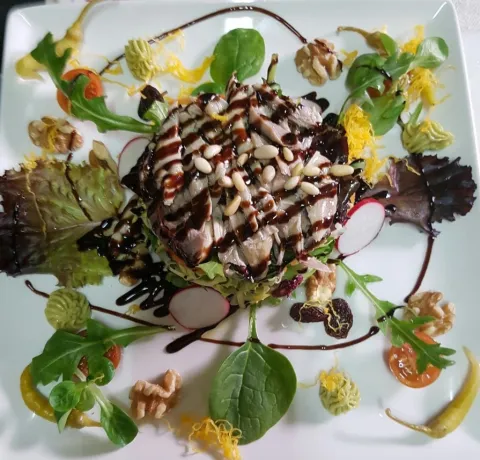
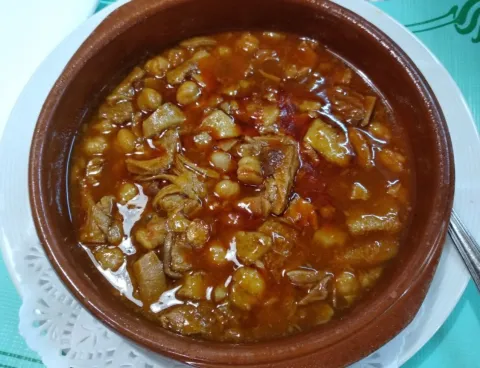
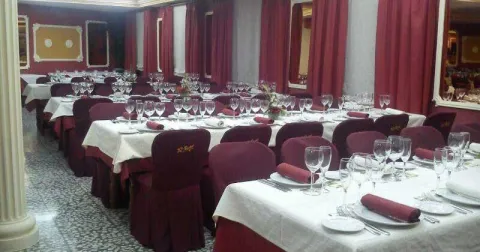
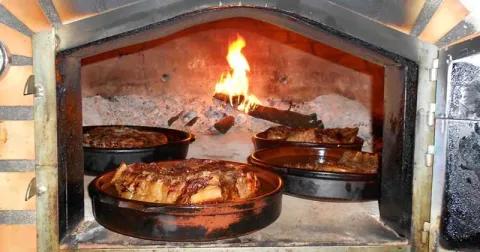
Restaurante Tropezón is a traditional-cuisine restaurant that, alongside its outstanding quality, offers very good value for money. Excellent raw ingredients guarantee the quality of Restaurante Tropezón, where you'll find good meat, fish and seafood. It also offers a home-delivery menu, featuring starters, fish, meat and roasts to enjoy. Its spacious premises also make it the perfect place for celebrations and events.
Información de contacto
Sitio web
https://www.jaenparaisointerior.es/es/restaurante-tropezon-villacarrillo
Teléfono de contacto
953377032
Ubicación
Código Postal
37.93926
Latitud
-3.73042
Longitud
23630
Dirección
Plaza de la Constitucion, 8
Municipio
Ubicación en el mapa
POINT (-3.730355 37.939302)
Tipo de restaurante
Imágenes
imagen
Image
15288546_550446815146436_8582017086427663448_o.jpg
Imagen principal
Activado
imagen
Image
120751785_1476720375852404_1835087933561251692_o%20%281%29.jpg
Imagen principal
Desactivado
imagen
Image
121200881_1481906548667120_6480809203470358403_n.jpg
Imagen principal
Desactivado
Tipo de cocina
Microsite al que pertenece
Loading map
Preparing points of interest and routes...

Restaurante-Asador El Recreo

Submitted by brandcode_deweloper on
Id
2182115
Descripción
Descripción larga
This blend of traditional, artisan Andalusian cuisine with touches of creative, avant-garde cooking creates the perfect mix to delight and surprise even the most demanding, gourmet palates. Thanks to the outstanding quality of the ingredients, their skill at the stove, and the warm, family-style treatment of guests, they ensure that when you sit down at their table, you'll remember the excellence of good cooking and the quality of their dishes with gratitude. Restaurante Asador "El Recreo" was founded by Miguel Ramírez Navarro in 1934. His sons, Pedro and Manolo Ramírez, carried on the hospitality business, and today it is the grandchildren and great-grandchildren who continue this saga of restaurateurs. Today, this third and fourth generation have given the establishment the dynamic, innovative touch that characterises it today.
Información de contacto
Sitio web
www.restauranteasadorelrecreo.es
Teléfono de contacto
953377072
Correo electrónico
contacto@restauranteasadorelrecreo.es
Ubicación
Código Postal
23630
Latitud
37.94008
Longitud
-3.72933
Dirección
Plaza de la Constitución, 53
Municipio
Ubicación en el mapa
POINT (-3.72933 37.94008)
Tipo de restaurante
Imágenes
imagen
Image
6.jpg
Imagen principal
Activado
imagen
Image
7.jpg
Imagen principal
Desactivado
imagen
Image
7%20%281%29.jpg
Imagen principal
Desactivado
imagen
Image
6%20%281%29.jpg
Imagen principal
Desactivado
Capacidad
80
Número de tenedores
1
Tipo de cocina
Horario
• Monday: 11: 00-1: 30 • Tuesday: 11: 00-1: 30 • Wednesday: 11: 00-1: 30 • Thursday: 11: 00-1: 30 • Friday: 11: 00-1: 30 • Saturday: 11: 00-2: 30 • Sunday: 11: 00-2: 30
Microsite al que pertenece
Loading map
Preparing points of interest and routes...

Araúz de Robles

Submitted by brandcode_deweloper on
EMP-0004
Descripción larga
The Araúz de Robles is located in the heart of Sierra Morena, within the Sierra de Andújar Natural Park. A privileged environment for the breeding of the bravo bull between oak and cork. The visit allows you to know the livestock and its facilities, enjoy a tentadero, share the day to day of the bravo bull with experiences such as crossing the bulls through the Rumblar River in canoe. All with traditional and flamenco cuisine linked to the tauromaquia.
Teléfono
695 497 007
Sitio web
https://arauzderobles.com/
Correo electrónico
jesusperez@artetur.es
Latitud
38.183755
Longitud
-2.86924
Dirección
Dehesa El Burguillo
Distrito
Municipio
Ubicación en el mapa
POINT (-2.86924 38.183755)
Curiosidades
Event facilities: parties, capeas, weddings, baptizes, communions, company events, living room bullfighting classes, goodbyes, etc. Good accessibility from the N-IV Highway.
Desactivado
Loading map
Preparing points of interest and routes...