Saltar al contenido principal

Rock Art of Santiago-Pontones

Submitted by brandcode_deweloper on
Id
10897217
Descripción
Descripción larga

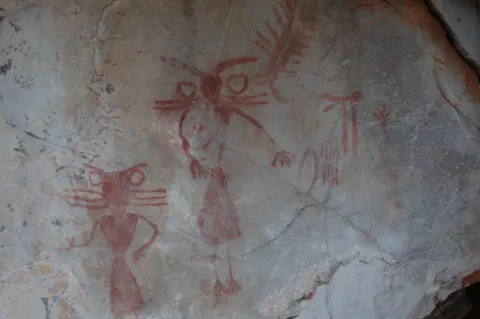
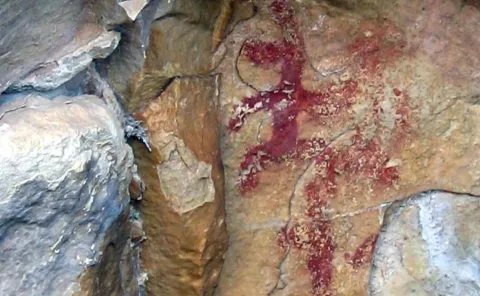
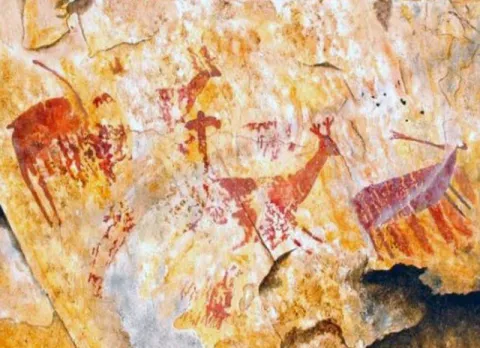
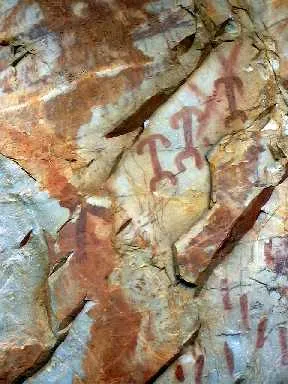
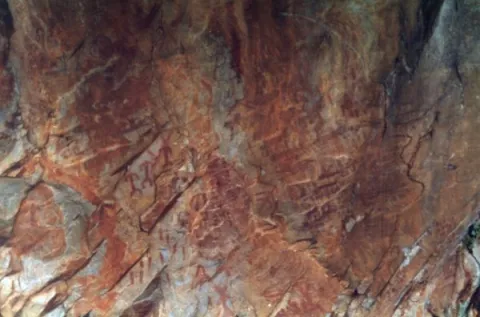
These more or less realistic but generally schematic manifestations reproduce human beings, animals and symbols, forming isolated scenes. It is a time of great changes in the way of life in which human beings move from being a predator to domesticating vegetables and animals to getting plenty of food and storing it to avoid moving continuously. The representations not only evoke and report part of daily life, but leave us witness to its complex and mysterious spirituality.

World Heritage Site

The Sierras de Segura and Cazorla are home to an interesting set of uplifting rock art; a lot of coats and caves where these first inhabitants left their art. In 1998 it became part of the UNESCO catalogue as World Heritage Site.

Outdoor museums

These sites can be considered as authentic outdoor museums of incalculable value, whose preservation concerns each and every fellow citizen. When visiting them, we must remember that we contemplate figures made by the primitive man, not least human and intelligent, more than 4,000 years ago. It's all by law, Cultural Interest Property.

Visit the paintings

Visiting these places can be difficult and frustrating, not only because of their access; it can be dangerous, but because sometimes their conservation status is the least poor; and it is recommended that they be visited with a specialist. For this purpose, before scheduling the visit, it is advisable to consult with someone familiar with the place (to advise and guide) or even to be accompanied by a responsible local guide (it is advisable to contact local authorities or associations).

In Santiagos- Pontones stands out the existence of the Abrigo de Río Frio, the Caves of Engarbo I and II and the Abrigo de Cañada de la Cruz. Just like the Cave of Birth, the only one that has been excavated.

Breve descripción

The Rupestre Art, "art on rock," is composed of the pictorial manifestations that our remote ancestors left on the walls of numerous covacas and petreous coats of our saws, in prehistoric times (in our region, from the Neolithic, to the Bronze Age).
Ubicación
Código Postal
23290
Latitud
38.112905
Longitud
-2.551663
Distrito
Municipio
Ubicación en el mapa
POINT (-2.551663 38.112905)
Tipos de punto de interés
Imágenes carrusel
imagen
Image
pontones%201.jpg
Imagen principal
Desactivado
imagen
Image
Pontones%202.jpg
Imagen principal
Desactivado
imagen
Image
pontones%203.jpg
Imagen principal
Desactivado
Imágenes cabecera
imagen
Image
pontones%204.jpg
Imagen principal
Activado
Microsite al que pertenece
Loading map
Preparing points of interest and routes...
Marcas de calidad

Rock Art of Santa Elena

Submitted by brandcode_deweloper on
Id
10894576
Descripción
Descripción larga

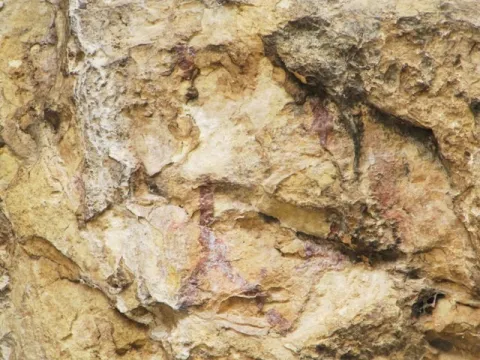
These more or less realistic but generally schematic manifestations reproduce human beings, animals and symbols, forming isolated scenes. The representations not only evoke and report part of daily life, but leave us witness to its complex v mysterious spirituality.

World Heritage Site

The natural park of Despeñacolos has different groups of rock paintings, of a schematic and eulin style, which gives this park an interesting cultural value, for the many coats and caves where these first inhabitants left their art. In 1998 it became part of the UNESCO catalogue as World Heritage Site.

Outdoor museums

These sites can be considered as authentic outdoor museums of incalculable value, whose preservation concerns each and every fellow citizen. When visiting them, we must remember that we contemplate figures made by the primitive man, not least human and intelligent, more than 4,000 years ago. It's all by law, Cultural Interest Property.

Visit the paintings

Visiting these places can be difficult and frustrating, not only because of their access; it can be dangerous, but because sometimes their conservation status can be at least poor; and it is recommended that they be visited with a specialist. For this purpose, before scheduling the visit, it is advisable to consult with someone familiar with the place (to advise and guide) or even to be accompanied by a responsible local guide (it is advisable to contact local authorities or associations).

The Abrigo e la Cave de los Muñecos, the Abrigo de Vacas del Retamoso and the Abrigo de Los Organos are highlighted.

Breve descripción

The Rupestre Art, "art on rock," is composed of the pictorial manifestations that our remote ancestors left on the walls of numerous covacas and petreous coats of our saws, in prehistoric times (in our region, from the Neolithic, to the Bronze Age).
Ubicación
Código Postal
23213
Latitud
38.341754
Longitud
-3.539315
Distrito
Municipio
Ubicación en el mapa
POINT (-3.539315 38.341754)
Tipos de punto de interés
Imágenes carrusel
imagen
Image
cueva%20escolares.JPG
Imagen principal
Desactivado
imagen
Image
cueva%20muniecos.JPG
Imagen principal
Desactivado
imagen
Image
DSC_7089.JPG
Imagen principal
Desactivado
imagen
Image
rupestres.JPG
Imagen principal
Desactivado
Imágenes cabecera
imagen
Image
chamanes%20vacas%20retamoso.JPG
Imagen principal
Activado
Loading map
Preparing points of interest and routes...
Marcas de calidad

Rock Art of Quesada

Submitted by brandcode_deweloper on
Id
10895687
Descripción
Descripción larga

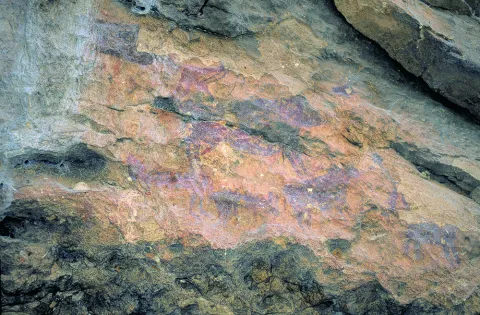
These more or less realistic but generally schematic manifestations reproduce human beings, animals and symbols, forming isolated scenes. The representations not only evoke and report part of daily life, but leave us witness to its complex and mysterious spirituality.

World Heritage Site

The Sierra de Quesada houses one of the most prominent rock art sets in Alto Guadalquivir for the many coats and caves where these first inhabitants left their art. In 1998 it became part of the UNESCO catalogue as World Heritage Site.

Outdoor museums

These sites can be considered as authentic outdoor museums of incalculable value, whose preservation concerns each and every fellow citizen. When visiting them, we must remember that we contemplate figures made by the primitive man, not least human and intelligent, more than 4,000 years ago. It's all by law, Cultural Interest Property.

Visit the paintings

Visiting these places can be difficult and frustrating, not only because of their access; it can be dangerous, but because sometimes their conservation status is the least poor; and it is recommended that they be visited with a specialist. For this purpose, before scheduling the visit, it is advisable to consult with someone familiar with the place (to advise and guide) or even to be accompanied by a responsible local guide (it is advisable to contact local authorities or associations).

The Abrigo de Manolo Vallejo, the Abrigo de el Encasiero, the Abrigo del Cerro Vitar and the caves of the ivy and Cabrera stand out. In addition to the rock paintings, there were ceramics and lytics that have made it possible to give the first human occupation of these lands in the third millennium. C.

Breve descripción

The Rupestre Art, "art on rock," is composed of the pictorial manifestations that our remote ancestors left on the walls of numerous covacas and petreous coats of our saws, in prehistoric times (in our region, from the Neolithic, to the Bronze Age).
Ubicación
Código Postal
23480
Latitud
37.843173
Longitud
-3.069630
Municipio
Ubicación en el mapa
POINT (-3.06963 37.843173)
Tipos de punto de interés
Imágenes carrusel
imagen
Image
pinturas%20rupestres%20quesada%202.jpg
Imagen principal
Desactivado
imagen
Image
pinturas%20rupestres%20quesada%203.jpg
Imagen principal
Desactivado
Imágenes cabecera
imagen
Image
pinturas%20rupestres%20quesada.jpg
Imagen principal
Activado
Microsite al que pertenece
Loading map
Preparing points of interest and routes...
Marcas de calidad

Rock Art of La Carolina

Submitted by brandcode_deweloper on
Id
10897842
Descripción
Descripción larga

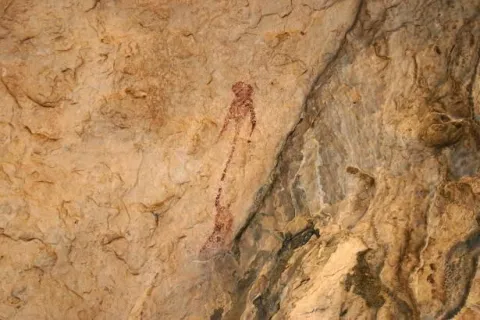
These more or less realistic but generally schematic manifestations reproduce human beings, animals and symbols, forming isolated scenes. The representations not only evoke and report part of daily life, but leave us witness to its complex and mysterious spirituality.

World Heritage Site

In Sierra Morena you can find different sets of rock art going for the many coats and caves where these first inhabitants left their art. In 1998 it became part of the UNESCO catalogue as World Heritage Site.

Outdoor museums

These sites can be considered as authentic outdoor museums of incalculable value, whose preservation concerns each and every fellow citizen. When visiting them, we must remember that we contemplate figures made by the primitive man, not least human and intelligent, more than 4,000 years ago. It's all by law, Cultural Interest Property.

Visit the paintings

Visiting these places can be difficult and frustrating, not only because of their access; it can be dangerous, but because sometimes their conservation status is the least poor; and it is recommended that they be visited with a specialist. For this purpose, before scheduling the visit, it is advisable to consult with someone familiar with the place (to advise and guide) or even to be accompanied by a responsible local guide (it is advisable to contact local authorities or associations).

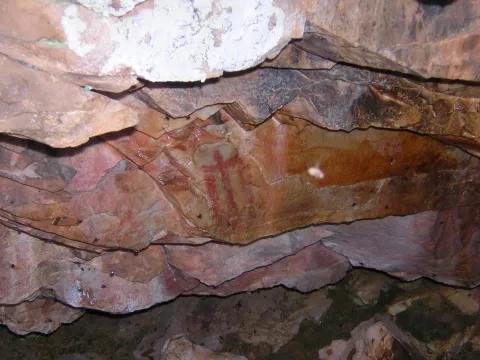
The Abrygos of Dona Dama, El Puntal or the Guindo stand out.

Breve descripción

The Rupestre Art, "art on rock," is composed of the pictorial manifestations that our remote ancestors left on the walls of numerous covacas and petreous coats of our saws, in prehistoric times (in our region, from the Neolithic, to the Bronze Age).
Ubicación
Código Postal
23200
Latitud
38.280524
Longitud
-3.612801
Distrito
Municipio
Ubicación en el mapa
POINT (-3.612801 38.280524)
Tipos de punto de interés
Microsite al que pertenece
Loading map
Preparing points of interest and routes...
Marcas de calidad

Rock Art Baños de la Encina

Submitted by brandcode_deweloper on
Id
10893221
Descripción
Descripción larga

These more or less realistic but generally schematic manifestations reproduce human beings, animals and symbols, forming isolated scenes. The representations not only evoke and report part of daily life, but leave us witness to its complex and mysterious spirituality.

Outdoor museums

These sites can be considered authentic open-air museums of incalculable value, the preservation of which concerns each and every fellow citizen. When visiting them, we must remember with all due respect that we contemplate figures made by the primitive man, but not least human and intelligent, more than 4,000 years ago. All are by law, Cultural Interest Property, the maximum figure of protection that our legislation grants to a property.

Visit the paintings

Visiting these places can be difficult and frustrating, not only because of their access; it can be dangerous, but because sometimes their conservation status is the least poor; and it is recommended that they be visited with a specialist. For this purpose, before scheduling the visit, it is advisable to consult with someone familiar with the place (to advise and guide) or even to be accompanied by a responsible local guide (it is advisable to contact local authorities or associations).

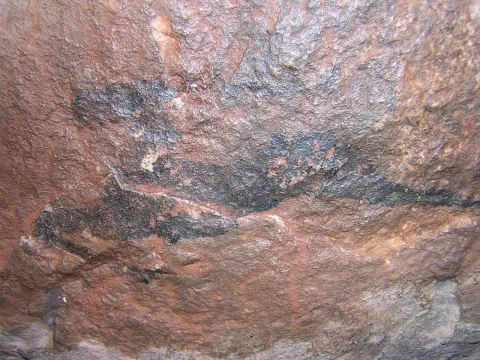
The most representative coats in the area of Baños de la Encina would be the coats of the Nava el Sach and the Barrio del Bu.

Breve descripción

The Rupestre Art, "art on rock," is composed of the pictorial manifestations that our remote ancestors left on the walls of numerous covacas and petreous coats of our saws, in prehistoric times (in our region, from the Neolithic, to the Bronze Age).
Ubicación
Código Postal
23711
Latitud
38.174294
Longitud
-3.774604
Distrito
Ubicación en el mapa
POINT (-3.774604 38.174294)
Tipos de punto de interés
Microsite al que pertenece
Loading map
Preparing points of interest and routes...

Rock Art (alrededores Jaén)

Submitted by brandcode_deweloper on
Id
10897688
Descripción
Descripción larga

These more or less realistic but generally schematic manifestations reproduce human beings, animals and symbols, forming isolated scenes. The representations not only evoke and report part of daily life, but leave us witness to its complex v mysterious spirituality.

World Heritage Site

The saw surrounding the municipality of Jaén houses interesting sets of rock art, a large number of coats and caves where the first inhabitants of the municipality left their art. In 1998 it became part of the UNESCO catalogue as World Heritage Site.

Outdoor museums

These sites can be considered as authentic outdoor museums of incalculable value, whose preservation concerns each and every fellow citizen. When visiting them, we must remember that we contemplate figures made by the primitive man, not least human and intelligent, more than 4,000 years ago. It's all by law, Cultural Interest Property.

Visit the paintings

Visiting these places can be difficult and frustrating, not only because of their access; it can be dangerous, but because sometimes their conservation status is the least poor; and it is recommended that they be visited with a specialist. For this purpose, before scheduling the visit, it is advisable to consult with someone familiar with the place (to advise and guide) or even to be accompanied by a responsible local guide (it is advisable to contact local authorities or associations).

The municipality of Jaén has an interesting collection of rock art, not only in the vicinity of the municipality, such as the Abrigo de Fuente de la Peña Sur or the Abrigo del Cerro de la Mella; but also in other locations such as Otiñar, Río Frio, el Quiebrajano and Canjorro-Peñas de Castro.

Breve descripción

The Rupestre Art, "art on rock," is composed of the pictorial manifestations that our remote ancestors left on the walls of numerous covacas and petreous coats of our saws, in prehistoric times (in our region, from the Neolithic, to the Bronze Age).

Ubicación
Código Postal
23001
Latitud
37.789456
Longitud
-3.784376
Distrito
Municipio
Ubicación en el mapa
POINT (-3.784376 37.789456)
Tipos de punto de interés
Microsite al que pertenece
Loading map
Preparing points of interest and routes...
Marcas de calidad

Arte Rupestre

Submitted by brandcode_deweloper on
Id
1927651
Descripción
Descripción larga
These more or less realistic but generally schematic manifestations reproduce human beings, animals and symbols, forming isolated scenes. The representations not only evoke and report part of daily life, but leave us witness to its complex v mysterious spirituality.

World Heritage Site

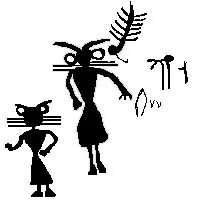
In Aldeaquemada, as a sample of its valuable cultural heritage, there are different groups of rock paintings, of a schematic and eulin style; distributed by fleshlands and rocky coats of the municipal term. So much so that UNESCO, meeting in Kyoto (Japan) in 1998, agreed to catalogue the Levine Rupestre Art of the Spanish Mediterranean Arc as a World Heritage Site. Meeting in assembly, he gave this important name and included in the list the 19 deposits of Rupéstre Levino and Eschematic Art discovered in this municipality, cataloguing that has come to recognize and highlight the great importance of the cultural manifestations of the former inhabitants of these lands.

Outdoor museums

These deposits, unique for their subject matter, are the most important in Andalusia and can be considered as authentic outdoor museums, of incalculable value and whose preservation concerns each and every one of us. When visiting them, we must remember with all due respect that we contemplate figures made by the primitive man; but not for that less human and intelligent, more than 4,000 years ago. They are all by law Cultural Interest Goods.
These groups of rock paintings, located on most occasions on rock coats, were studied at the beginning of the 20th century by the Abate Brehuil and M. Cabré, who catalogued the vast majority of existing groups in the area.
Subsequently, thanks to the new and relevant discoveries of the chronist Carlos Sanchez- Battle, it has been possible to have an extended relationship and a full awareness of the great heritage value that, for Aldeaquemada, represents the whole of its cave paintings.

Visit the paintings

Visiting these places is difficult and can be frustrating, not only because of their access; dangerous sometimes, but because of their poor conservation status; they make them difficult to see if they are not specialized. For this reason, before scheduling a visit, you should consult with a local connoisseur and let yourself be accompanied by a responsible local guide.
The most representative coats, on which signposted routes have been developed; not yet operational until the final protection of the paintings, but which has been announced (the Ayto. provide guides) can be visited, are those of the Poyos de La Cimbarra, Cimbarillo del Prado de Rechesa, Cave de la Mina, Garganta de la Hoz, Prado del Azogue and Cave de Los Arcos. Although there are another series of awakened groups.

Breve descripción

The Rupestre Art, "art on rock," is composed of the pictorial manifestations that our remote ancestors left on the walls of numerous covacas and petreous coats of our saws, in prehistoric times (in our region, from the Neolithic, to the Bronze Age).
Ubicación
Latitud
38.411070
Longitud
-3.374460
Distrito
Municipio
Ubicación en el mapa
POINT (-3.37446 38.41107)
Tipos de punto de interés
Imágenes carrusel
imagen
Image
pintlafelicita02%20%281%29.jpg
Imagen principal
Desactivado
imagen
Image
pintbarrancocueva%20%281%29.jpg
Imagen principal
Desactivado
imagen
Image
pintbarrancocueva01%20%281%29.jpg
Imagen principal
Desactivado
Imágenes cabecera
imagen
Image
pintpradoazogue%20%281%29.jpg
Imagen principal
Activado
Loading map
Preparing points of interest and routes...
Marcas de calidad