Saltar al contenido principal

Arjona

MUNICIPIOS
  • arjona
  • arjona
  • arjona
  • arjona
  • arjona
  • arjona
  • arjona
  • arjona
  • arjona
  • arjona
  • arjona
  • arjona
  • arjona
  • arjona

Description

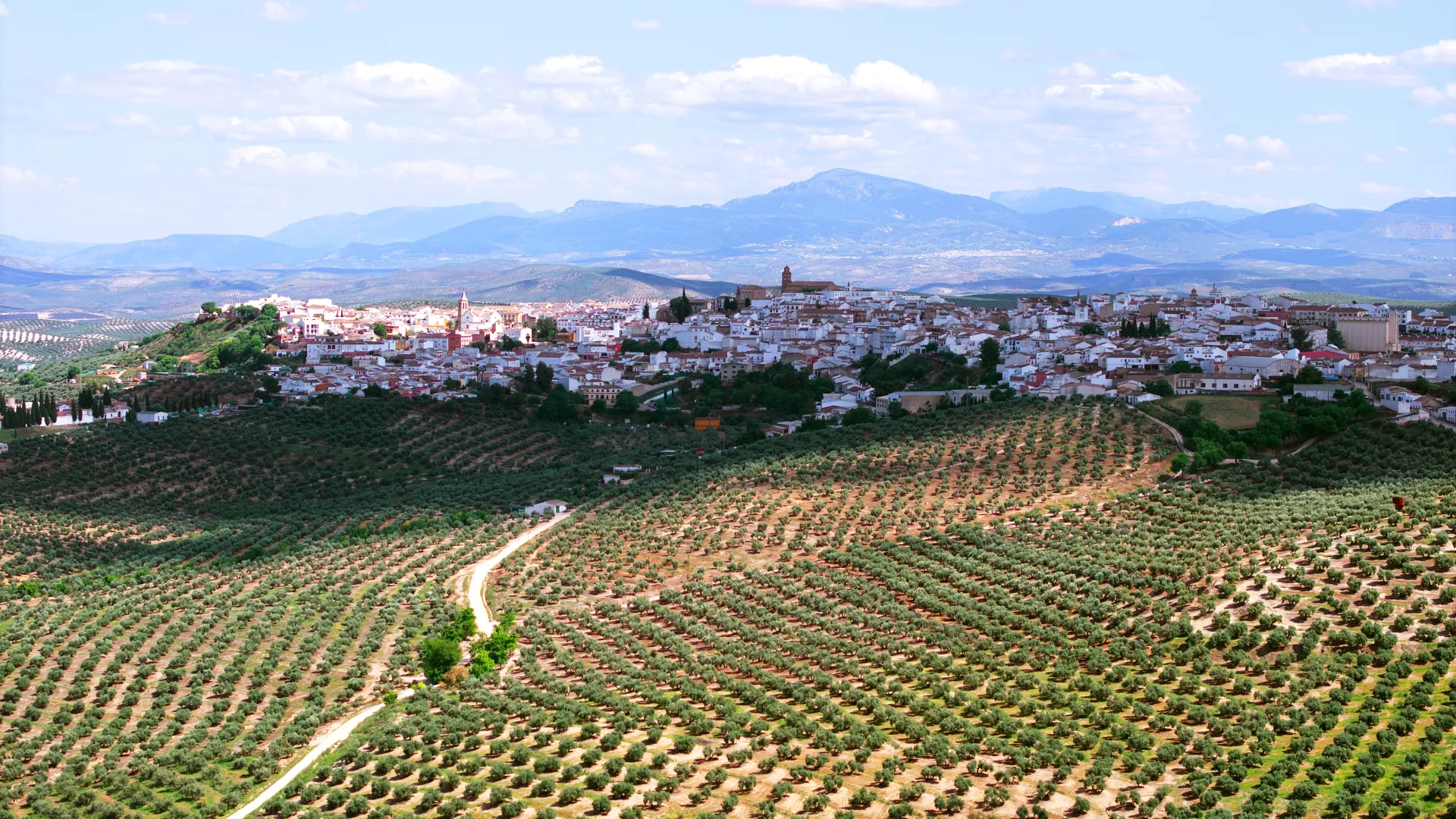
Arjona is a municipality located in the north-west of the province, 44 km. of the capital and belongs to the region of the countryside of Jaén. It has a population of 6,000 and its municipality has an area of 158, 45 km ².

It is an eminently agricultural town with a predominance of olive cultivation. Its economy is based on agricultural activity and the olive industry, although the furniture and pastry industry has a recognized prestige and tradition.

Minor hunting is another of its attractions and the banks of the Salado stream make up areas of natural interest.

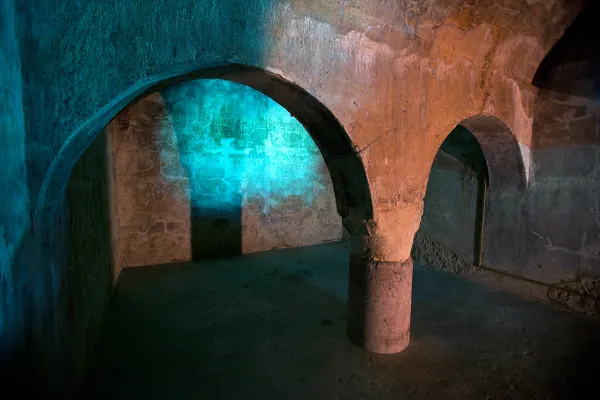
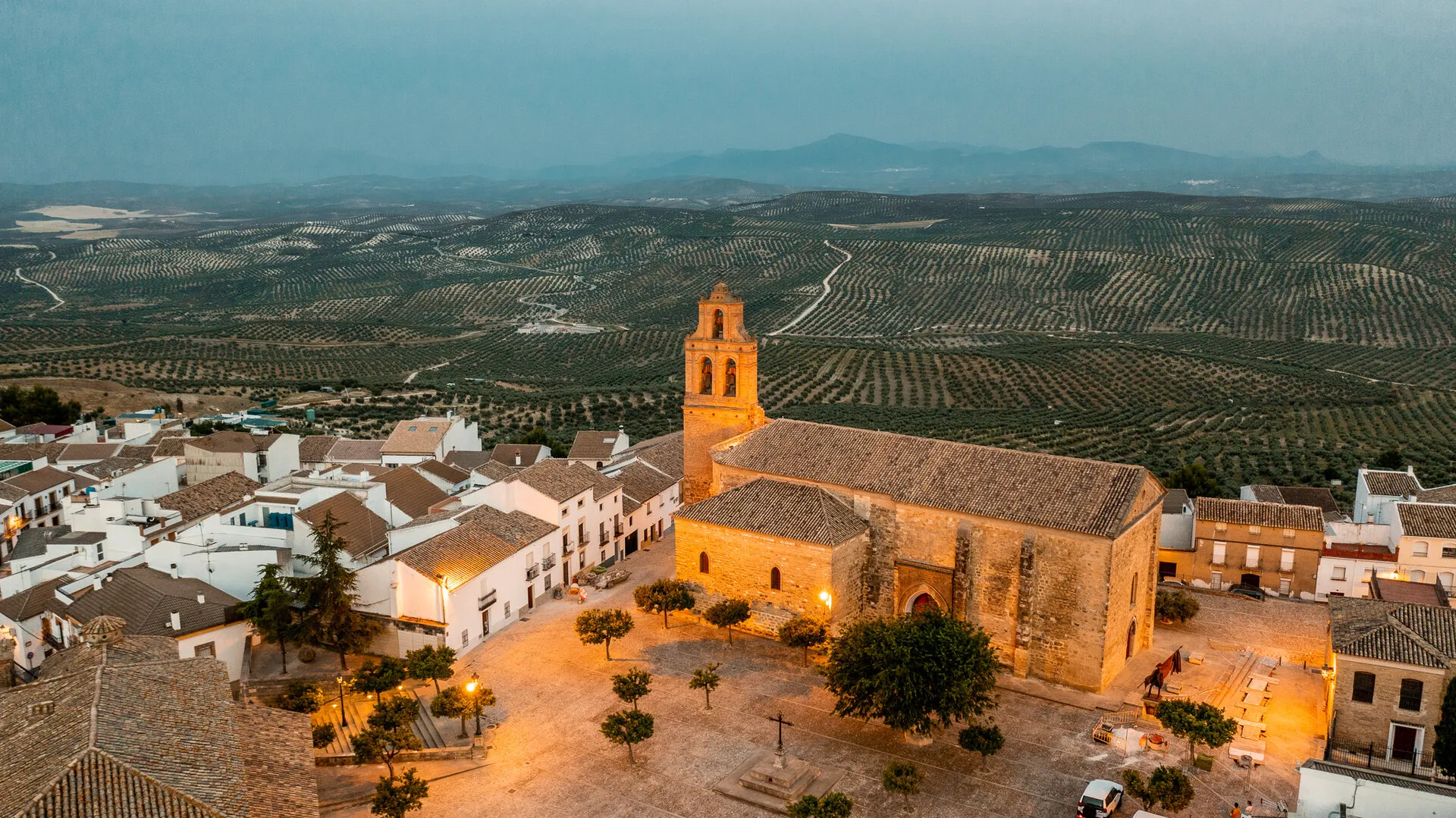
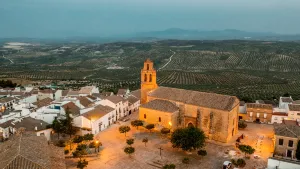
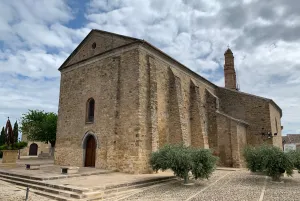
In its historical-artistic heritage is the Sanctuary of the Reliquias, designed by Juan de Aranda Salazar in the 17th century; the church of Santa María, from the 15th century and of an isabelin style, built on the remains of a medieval castle of which a aljibe is preserved, included in the Route of the Castles and the Batallas.

Other buildings are: the church of Carmen, from which stands out its Mudejar tower and the church of San Martín and San Juan with a plateresque cover.

Tourist Office

http://visitarjona.com/

Useful Information

Tourist area: Sierra Morena / Sierras de Andújar and Despeñacolos

Distance to the capital (km): 44

Altitude over sea level (m): 458

Extension (Km2): 158

Number of inhabitants: 5826

Gentillo: Arjoneros or Urgavonenses

Postal code: 23760

Is part of

AUDIOVISUAL CONTENT

MORE INFORMATION

Culture

From its abundant and rich monumental heritage, we highlight:


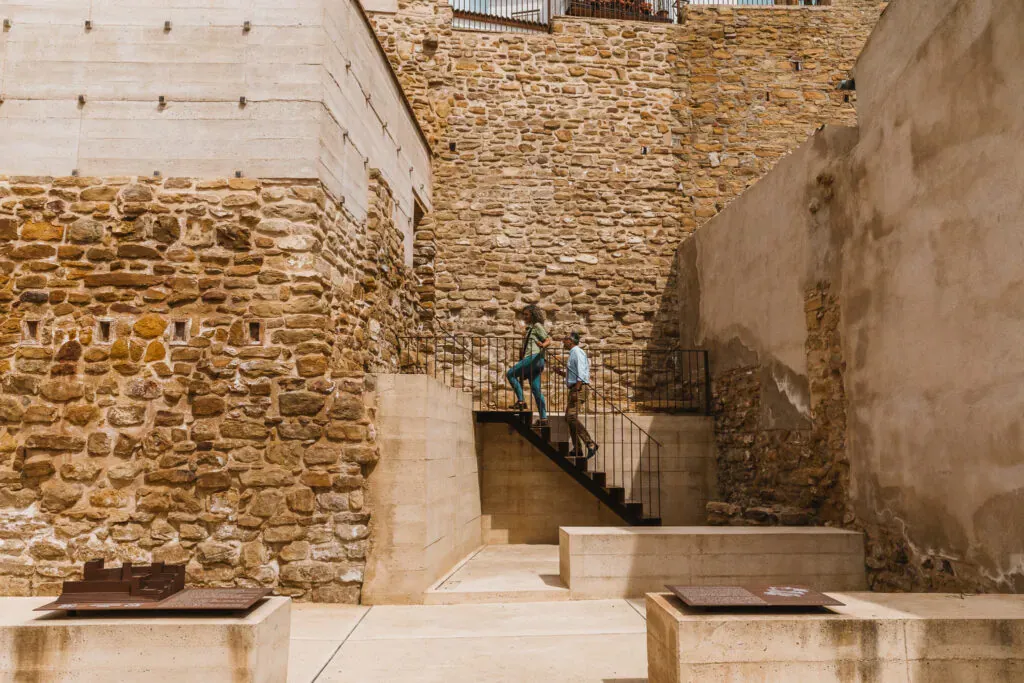
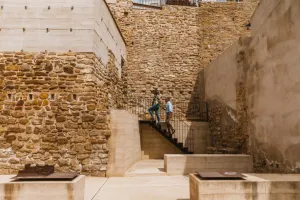
  • Aljibe Almohade. It is built on the 13th century, work of the pillows and is the oldest building that is preserved in Arjona. It is in the noble area of the ancient alcaza of Aryuna, under what could be the Major Mosque. It is rectangular with 3 canyon vaults, supported on half-point arches that rise on Roman alabaster baseswhich supported Roman sculptures.
  • Church of Santa Maria del Alcázar. It is an isabelin-style temple (16th century) with a single ship and short-arms cruise. Located on a sacred place since ancient times (Roman remains, Visigoths and Muslims), it was built on the remains of the primitive Arab mosque. The church custody since 1843 the images of the patrons of the town: San Bonoso and San Maximiano, next to that of Santa Maria del Alcázar, who was also a patron of the city.
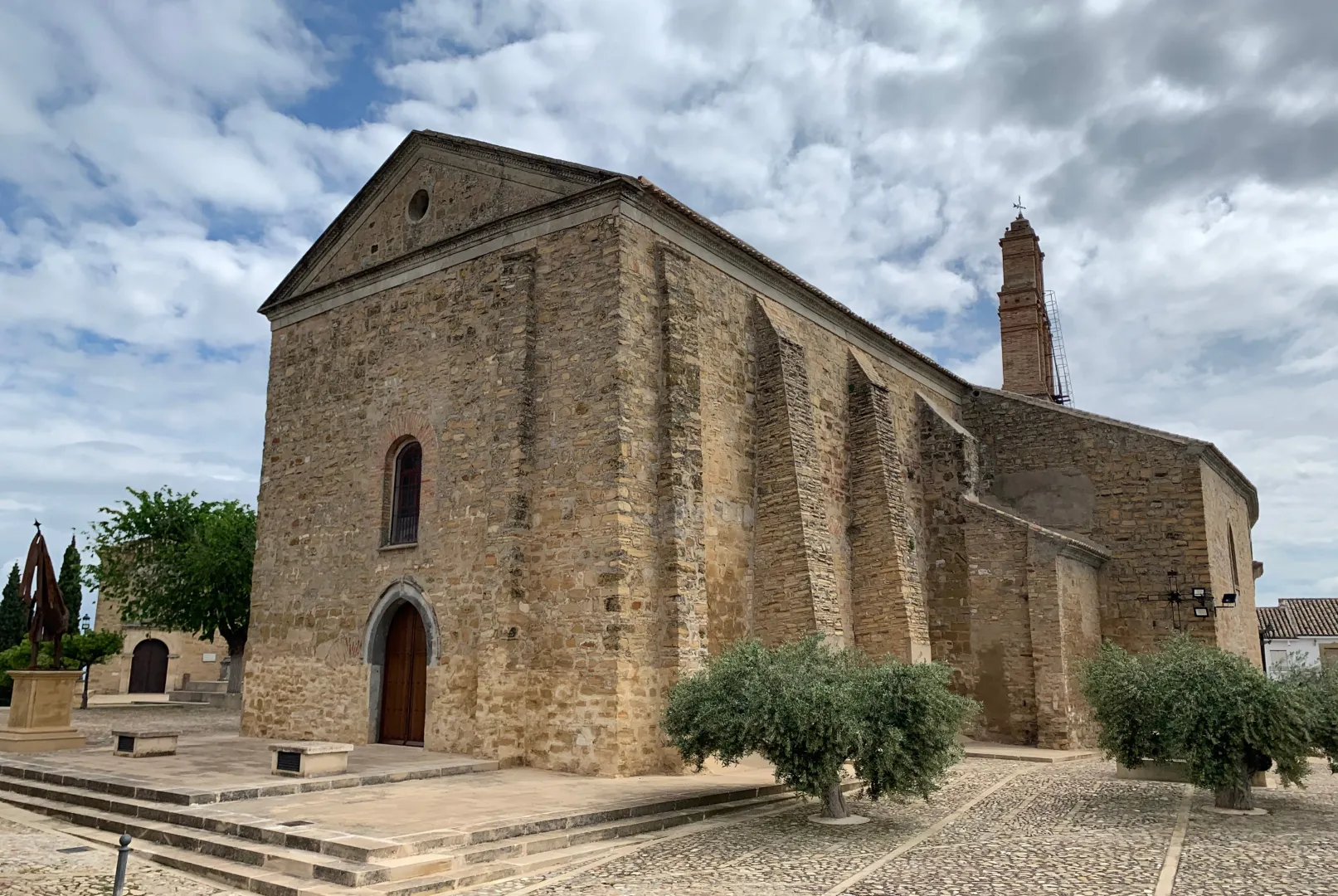
  • Sanctuary of the Saints and the Sagrada Reliquias. The sanctuary was erected during the bishopric of Moscoso and Sandoval to guard the alleged remains of the martyred saints Bonoso and Maximilian, found in this villa in the early 17th century, as well as the remains of more than 3,000 martyrs of the first Christians during the Roman era. He rose between 1617 and 1619 with stone from Santiago de Calatrava and, as John of Aranda and Salazar planned, who also worked in the cathedral of Jaén, two churches were overtaken. At the bottom a camera was billed to be seen from the outside, as a crypt, with access to the cemetery of the Saints. It has a polychrome plaster altarpiece, baroque decoration, which was not finished until the mid-19th century, tombstones with the stories of the martyrs and a silver cover. The upper part has its entrance from the Plaza de Santa María, by a cover of 1659, and its plant is of a single ship covered with canyon vault with lunetes and architrabed pilasters that hold half-point arches. The upper floor was intended to house the stone images of San Bonoso and San Maximiano, which were never placed. In the year 1843, with the Decriminalization of Mendizábal, the images are moved to the church of Santa Maria, and the relics of the martyrs to the upper floor. The lower floor is not functional. This space currently houses the Religious Museum of the parishes of Arjona, where much of the heritage of the fellowship, as well as ancient drawings and photographs are displayed.
  • Church of St. John the Baptist. Building that began to be built in the 16th century, although it was destroyed in the Civil War. His reconstruction was in the hands of Devastated regions which quite changed the plant, adding a more framed crunch over two towers. The inside is of a neo-Gothic style with a three-ship plant separated by pointed arches. Of its primitive construction only remains a cover, of silver style, which gives access to the interior of the temple that was carved by Juan Marquina in 1531. Next to imagining should be noted the sacred made thanks to the donations of gold and silver delivered by the parishioners in donations around 1950. Under the temple of St. John is the Rhipta del Baron de Velasco, covered by a dome made up of thousands of neoByzantine-style tesels.
  • Church of Our Lady of Carmen. It began to be built in 1898. A historical style, with a tarootic plant on its only central ship. Neobarroca on its stone cover, with tile for the image of its headline in curved front. The presbytery welcomes in its central altarpiece a magnificent image of the Virgin of Carmen. The Neomudéjar tower, slender and elegant, with brick and tile masonry.
  • Church of San Martín. It was built on the pillars of an old Roman temple. Its foundations are gothic, but the remodeling of the last centuries changed its physionomy. The tower was erected in the 16th century.
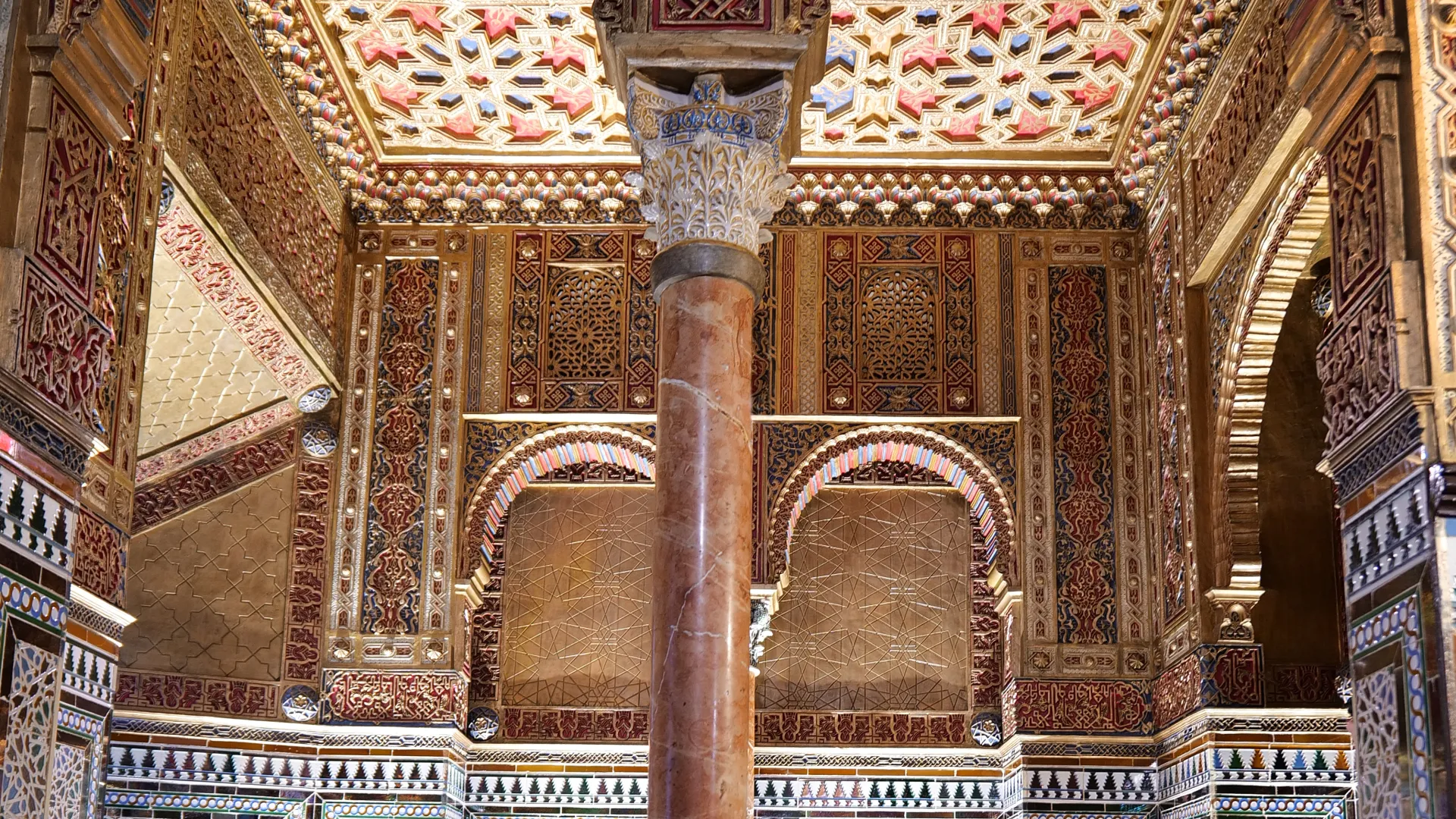
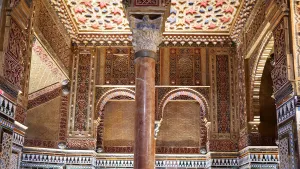
  • City hall and old town hall. The building takes a seat over the old San Miguel hospital. The most important is the room of the former mayor's office, a neo-Arab stay that evokes the palatine dependencies of the Alhambra of Granada and whose decorative elements were brought from the house-palace of the Baron of Velasco. Today it is used as a reception place for official visits and one of the main tourist claims.
  • Stone of desires. This enigmatic sphere, which in Arjona is popularly known as "La Piedra de los Deseos" or "Las Casualidades," was incorporated into the city of Arjona in 1995. Despite these "titles" with which the stone currently counts or is known, it is a bethyl or sacred stone. This type of "Sacred Stone," comes from an excavation that took place in the ancient Gothic Cathedral of Jaén, which reaches Arjona by the well-known writer Juan Eslava Galán.


Nature

The lands of Arjona are soft lomas with moderate slopes that are mostly dedicated to agriculture, the cultivation of the olive tree being the most occupied area, followed by cereals. The forest area is non-existent and it is only possible to observe small spots of Mediterranean bushes in the rocky areas of difficult access, in the margins of the streams and in the godparents or liners.

In the term of Arjona we can distinguish three ecosystems: the olive tree, the banks of the streams with its riverside vegetation and the godparents or liners.

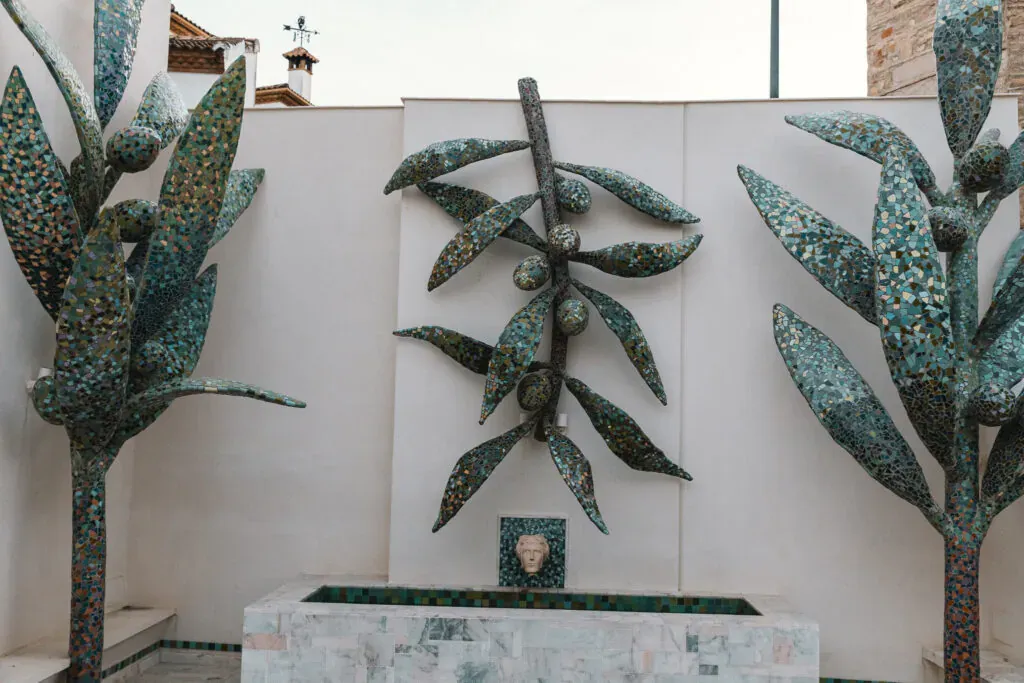
The olive tree: The olive tree has an important ecological function. To be the main ecosystemIt's the one that determines most of its fauna. In the old logs of the centenary olive trees find numerous refuge birds, mammals and reptiles. Its fruits are a food of great energy value that takes advantage of the species that live in the olive grove as well as those migratory birds that replenish forces for their long traverses. Among the species that live in a continuous way are: the green and the green in the months of spring and summer, and in winter the curled curled, the red petrored and the common zorzal.

Patrons and banks of the streams: The biodiversity of the olive tree increases when, along with it, streams and godparents or lines of Mediterraneanwhere the thick vegetation can develop: carrizos, telfas and tarajes. In this case the number of species increases, both of nesting species and greenhouses: sparrow, common pinzón, jilguero, nightingale, defeat, golondrin, lettuce, corneja... To the list of birds join others amphibians looking for moisture: common toad, green frog, salamander...Reptiles Like the ripple, stair, common lizard...Mammals Like the rabbit, hare, hedgehog, fox, badger...Fish have disappeared because of the pollution of the streams, especially the Salado stream, the most cuddly.

Arjona presents to the visitor as Balcony of the Jiennense countryside. As you walk through the historical ensemble it offers the visitor four viewpoints well-cared with panoramic views to the north and south of the Jiennense countryside.


Parties and Events

Among the local parties, we highlight:

  • Fiestas de los Santos Patronos: San Bonoso and San Maximiano. These are Arjona's most important parties. They are celebrated in honor of the patron saints San Bonoso and San Maximiano, which were given by the neighbouring city of Andújar in 1629. They are known by the name of "Festivals." They take place between 11 and 24 August, when day 21 the most important dayin which the procession of the images and relics of the saints takes place. These days take place different traditions who are kept alive from their origins: the repeat of the Campanica del turrón, the transfer of the Sagradas Reliquias to the church of Santa María (August 11), the Pesos to collect donations weighing people in a Roman, to then deliver the equivalent of its weight in wheat, the procession of the luminaire, the Burn of Daciano and, to finish, the transfer of the Sagradas Reliquias to its place of origin (August 22)
  • Real Fair. The old livestock fair that has been held since the 18th century has become the only party "Arjonera" which does not develop around a religious figure. It takes place around to 15 September, celebrating the closest weekend to the date, from Thursday to Sunday. Among other activities is an exhibition and sale of livestock, especially equine. But, above all, they are four days in which the neighbors enjoy four days where singing, dancing and gastronomy are the center of the celebration.
  • Feast of San Isidro. On the 15th of May, in honor of the farmers' pattern, a parade of carrots with tallying tools and cavalers is organized to accompany the saint during the procession. It ends with the blessing of the field on the New Paseo. In this day's vergena, the City invites the typical "singing": bread with olive oil, beans and cod.


Gastronomy

Among the most characteristic dishes of Arjona's gastronomy are the following:

  • Migas: The crumbs, Roulera crumbs or shepherd crumbs, they are a culinary preparation that has been common for people who are engaged in Spanish transhumanism, are made from pieces of the roasted bread miga accompanied by minced meat and vegetables.
  • Pipirrana: Also called pimpirrana or pirirach, is a salad whose basic ingredients are onion, tomato, green pepper and cucumber. Sometimes it is added cooked egg, some kind of fish, meat priet or even sausages.
  • Bake: They receive this name a number of food preparations that have in common that are made in the oven with fat bread mass. They are usually eaten from Carnivals until shortly after Easter.

It's often a kind of Empanada filled with butcher products: loin, ham, chorizo, etc., which are cooked together with the oven mass.

  • Gachas: It is a dish that is made by cooking oats or other cereals or vegetables in water, milk or a mixture of both. They usually serve hot in a bowl or dish.

In the pastry The following are highlighted: Biscoco de los Santos (is the traditional biscuit covered with ballast sugar), Chocolate millets, Sweet sephardi of nuts, orange and spices, Oil cake and Filled peppers. We must highlight the Christmas products produced by the firm Campos.


History

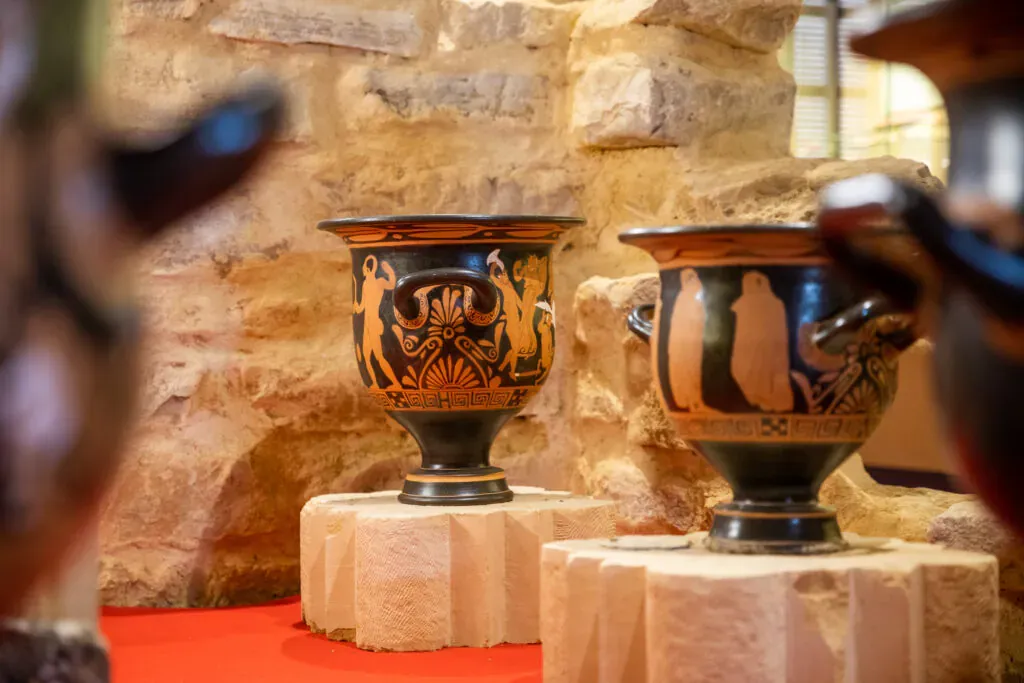
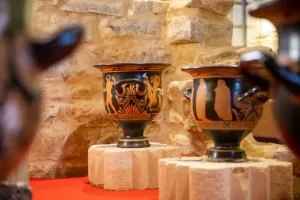
In Archaeological Museum of Arjona, opened in 2012, we can observe more than 3,000 pieces found at the end of the town and ranging from the fossil remains to pieces related to modern archaeology. Visiting this museum will be a extraordinary lesson of the History of Arjona and the different peoples and cultures that have passed through this town.

Of the three rooms that make up the museum the first of them is dedicated to the Prehistory, where we can find material remains of the Paleolithic, Neolithic, Calcolytic and the Age of Metals. Among these remains are: Protro-Bifaces to argaric arrows of the type "Palmeta," made at the time of the Metals.

We also find the reconstruction of a Paleolithic cave and a Neolithic cabin, they become the didactic bet of this first room.

In the second room, dedicated to history, shows us some epigraphic remains Iberians, Romans and Muslims. Another type of ceramic utensils are added, in glass and marble that make this room the most complete of the Museum.

Arjona corresponds to the old Urgavo or Urgao Alba, from Roman times. After Caesar's victory in Monda (year 45 BC), Urgabo received a privileged legal status for his support to the cesarian side, as well as Lliturgi, Isturgi and Obulco.

Important epigraphic remains have been found that demonstrate the importance of the city in the imperial high time, together with the existence of temples dedicated to Augustus and Plotina, wife of Trajano.

After the conquest Muslim becomes called Oal'at Aryuna, controlled by the family Bann Bayila. After the fall of the Califate of Córdoba, the city participated in the inner struggles of the period of taifles, a time when the walls are reinforced.

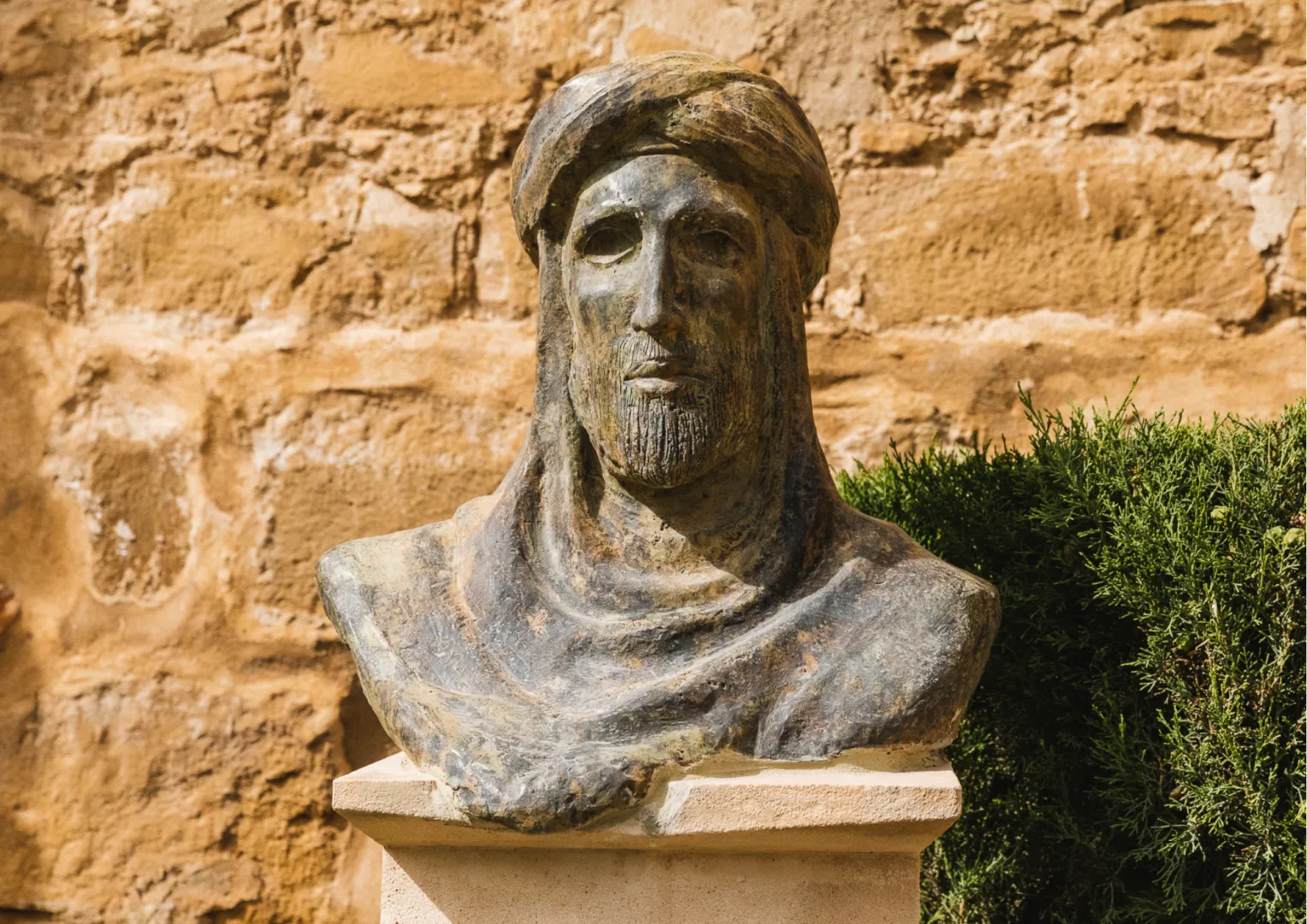
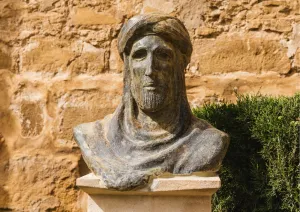
Here he was born in 1149, Mohamed ibn Yusuf ibn Nâzar, known by the name of Alhamar (the Red), first futureKing Nazarí of Granada. He was born in the alcázar where today the San Miguel hospital rises. It preserves the ruins of a medieval castle. With the Christian conquest carried out by Fernando III, In 1244, the city was besieged and destroyed.

In 1430, King John II gave it to D. Fabrique de Castro with the title of ducacy. Four years later it would be sold to the constable Mr Alvaro de Luna. In Year 1891Get it. the city title. The third of the rooms is dedicated to the illustrious characters of the History of Arjona: King Alhamar and Helvia Paulina. The room is covered with a collection of audiovisual services that aim to make known the history of the city of Arjona to the visitor. An excellent way to make the history of the city of Arjona known in a friendly and well-founded way.

In this municipality

4

Accommodations

4

Restaurants

5

Services

5

Events

We recommend