
Art and culture
The past that seduces you in the present
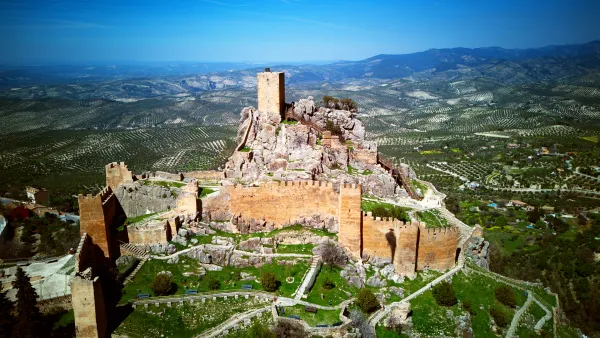
Visiting Jaén means embarking on an unforgettable adventure. Prehistoric archaeological sites, an exceptional Iberian legacy, the highest concentration of castles in Europe, and an impressive Renaissance heritage—recognized as a World Heritage Site—allow you to relive the legacy of past cultures.
Jaén holds a remarkable cultural heritage with a distinct identity, shaped by the peoples who once inhabited the region: Iberians, Romans, Muslims, Jews, and Christians all left behind an incalculable treasure trove of history, archaeology, legends, customs, and illustrious figures.
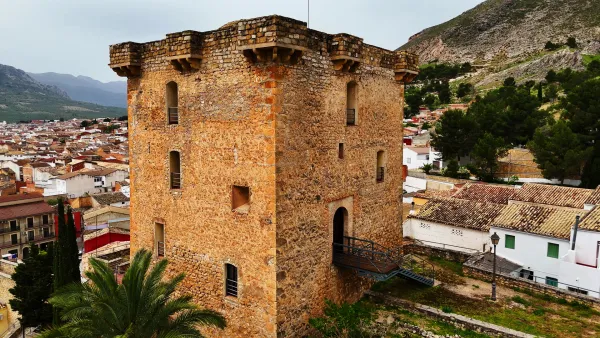
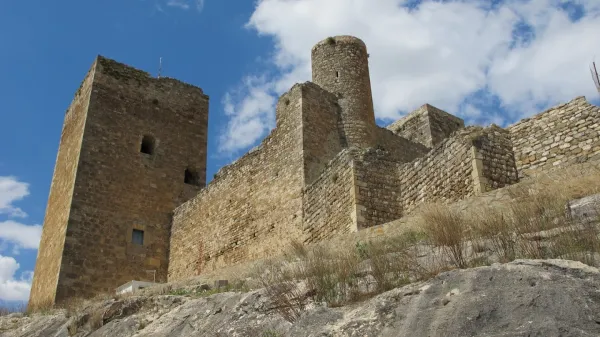
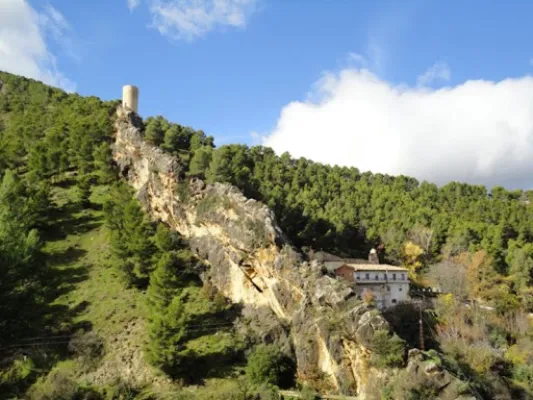
Jaén boasts six rock art sites designated as World Heritage, as well as impressive archaeological and museum collections spanning the prehistoric, Iberian, Roman, and Islamic eras. It also features a diverse array of medieval fortifications and remains, with key examples forming the Route of Castles and Battles, the Nasrid Route, and the Caliphate Route.
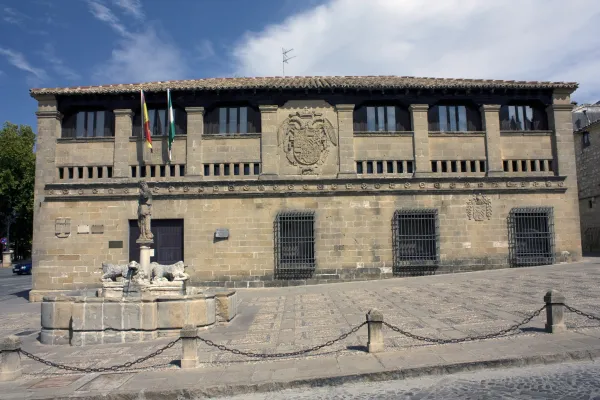
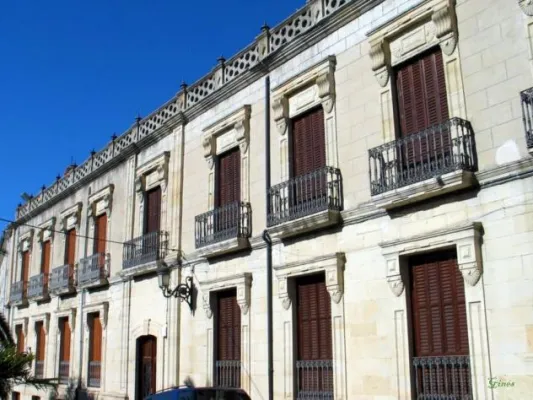
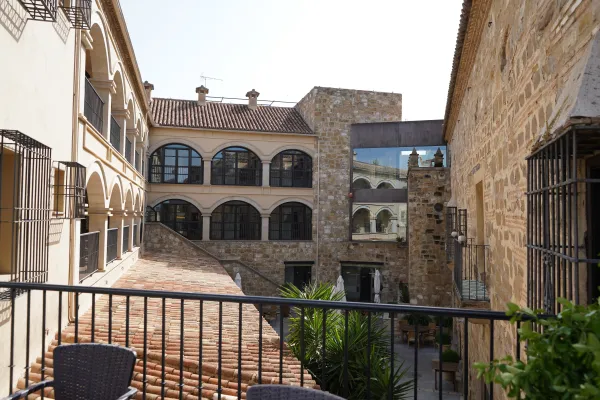
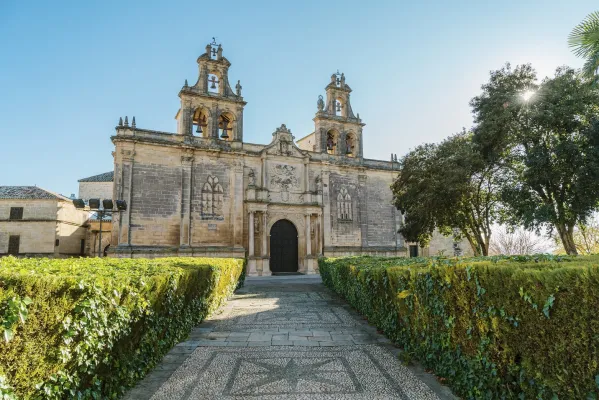
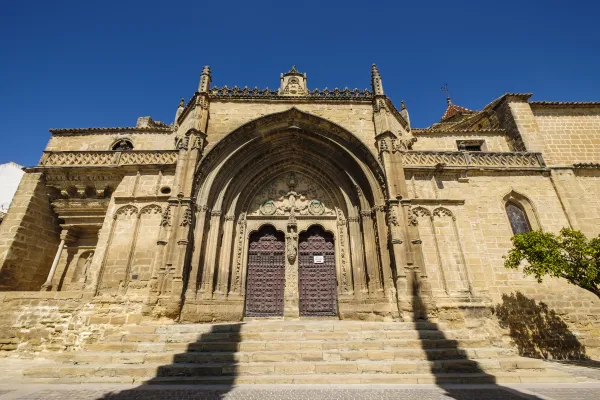
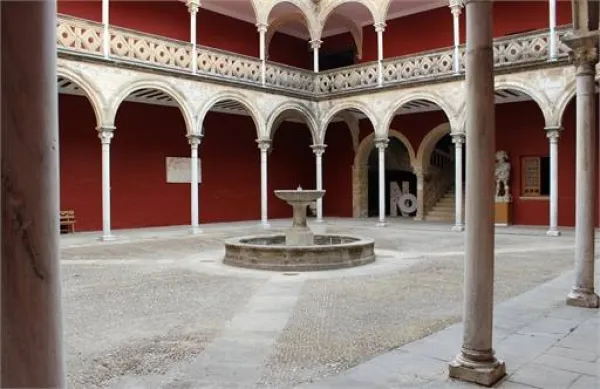
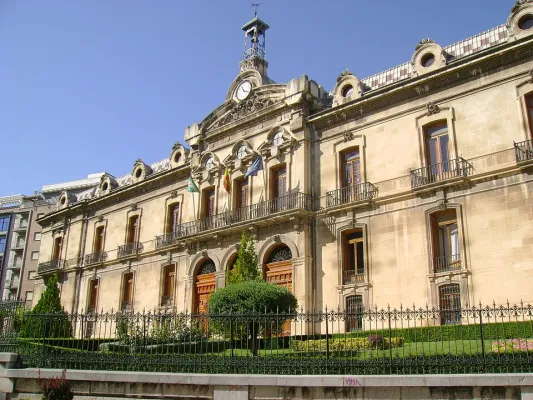
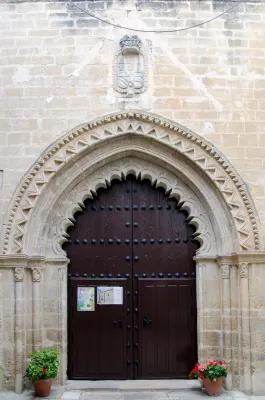
The province also possesses an impressive monumental heritage—both civil and religious—dating back to the Renaissance; the finest examples of this are the cities of Úbeda and Baeza, both declared UNESCO World Heritage Sites.
Furthermore, the province of Jaén is the cradle of Iberian culture, a land featuring imposing fortified cities, sanctuaries, necropolises, and the remains of battles that changed the course of history.
MUST-SEES

Artesanía de Jaén
Artesanía de Jaén se estructura de manera orientativa para el visitante en distintos itinerarios artesanos.

Journey to the Time of the Iberians
An experience that takes you back to the origins of an ancient civilisation, among hills and fortified towns.

Castles and Battles of the Kingdom of Jaén
Among olive groves and open horizons, fortresses rise up as traces of a time when these lands were a frontier.

Renaissance of the South
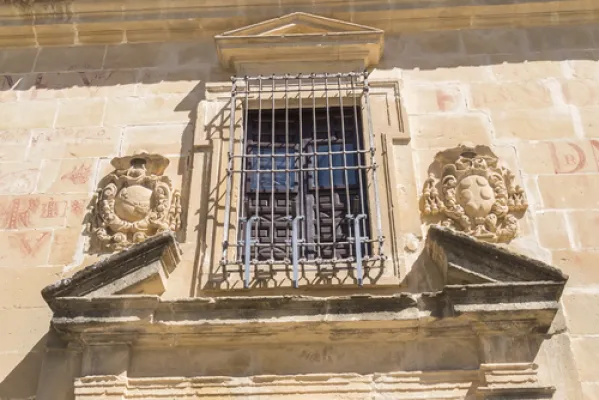
Here the Renaissance isn’t in a museum but out in the streets: golden light reveals carvings and façades that seem to tell the same story you hear as you stroll.


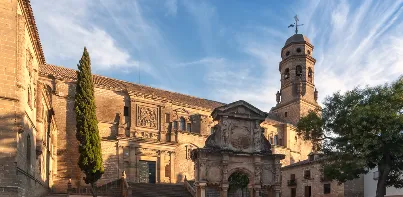
Úbeda y Baeza, Patrimonio de la Humanidad
The cities of Úbeda and Baeza, declared World Heritage Sites, retain the enchantment of five centuries ago, standing as the finest examples of the Spanish Renaissance. Surrounded by olive groves with the Guadalquivir River at their feet, both cities preserve the original street layouts of times long past. Úbeda represents private architecture and civil power, while Baeza embodies public architecture and religious authority. The two most prominent figures of that era were Francisco de los Cobos—secretary to Charles I—and his architect, Andrés de Vandelvira, who designed the most magnificent monuments in both cities.
The unique character of Úbeda and Baeza is evident in their urban layouts and significant buildings.
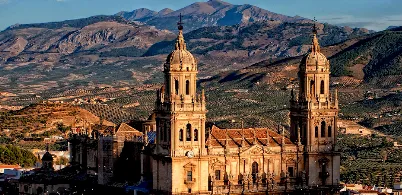
Jaén, Capital of Paradise
The city of Jaén will surprise you. Its historical and cultural heritage is incredible, and you will surely discover how its history and people are connected through shared memory. Jaén has traditionally been a place of transit and a frontier region; ancient cultures inhabited its lands, and Muslims, Christians, and Jews even lived there in harmony for centuries. Yet Jaén’s history runs deep, stretching back to prehistoric times and an economy rooted in the land—an influence that finds its common cultural and economic thread in the olive tree. This tree represents the region's greatest wealth, making Jaén the World Capital of Olive Oil.
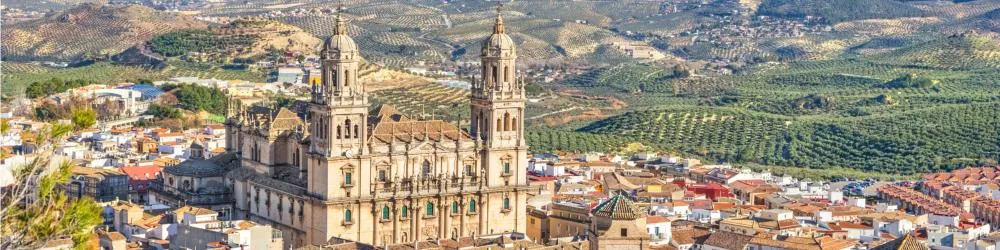
Among Jaén's cultural gems, the Cathedral—a key masterpiece of the Spanish Renaissance—stands out.
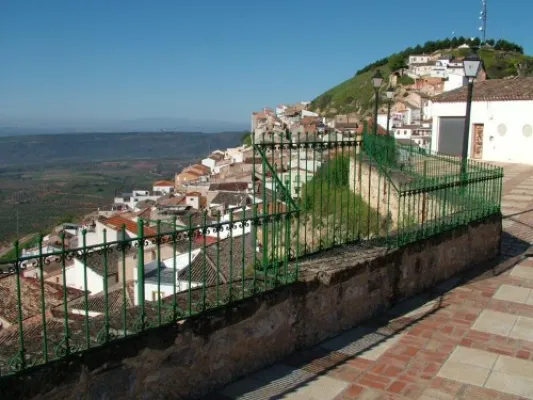
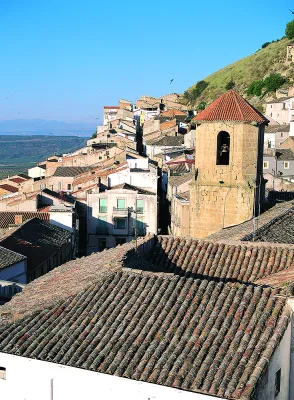
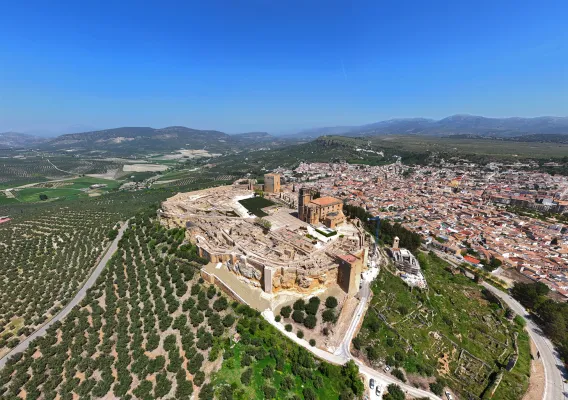
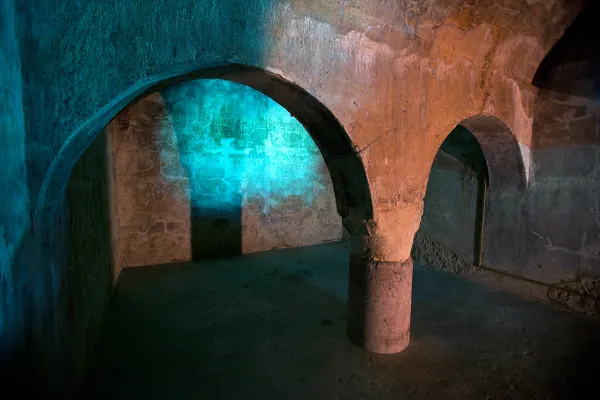
Also notable are the Arab Baths—the largest and most important in Europe—and the Provincial Museum, which houses a treasure trove of archaeological remains, particularly those documenting the history of the Iberian people. A visit to the Castle of Santa Catalina is a must; it offers a privileged vantage point from which to enjoy the unparalleled beauty of the olive-filled landscape. From Santa Catalina Hill, you can see the rising towers and bell steeples of medieval churches and convents, as well as a historic quarter filled with unforgettable spots.
Cultural routes






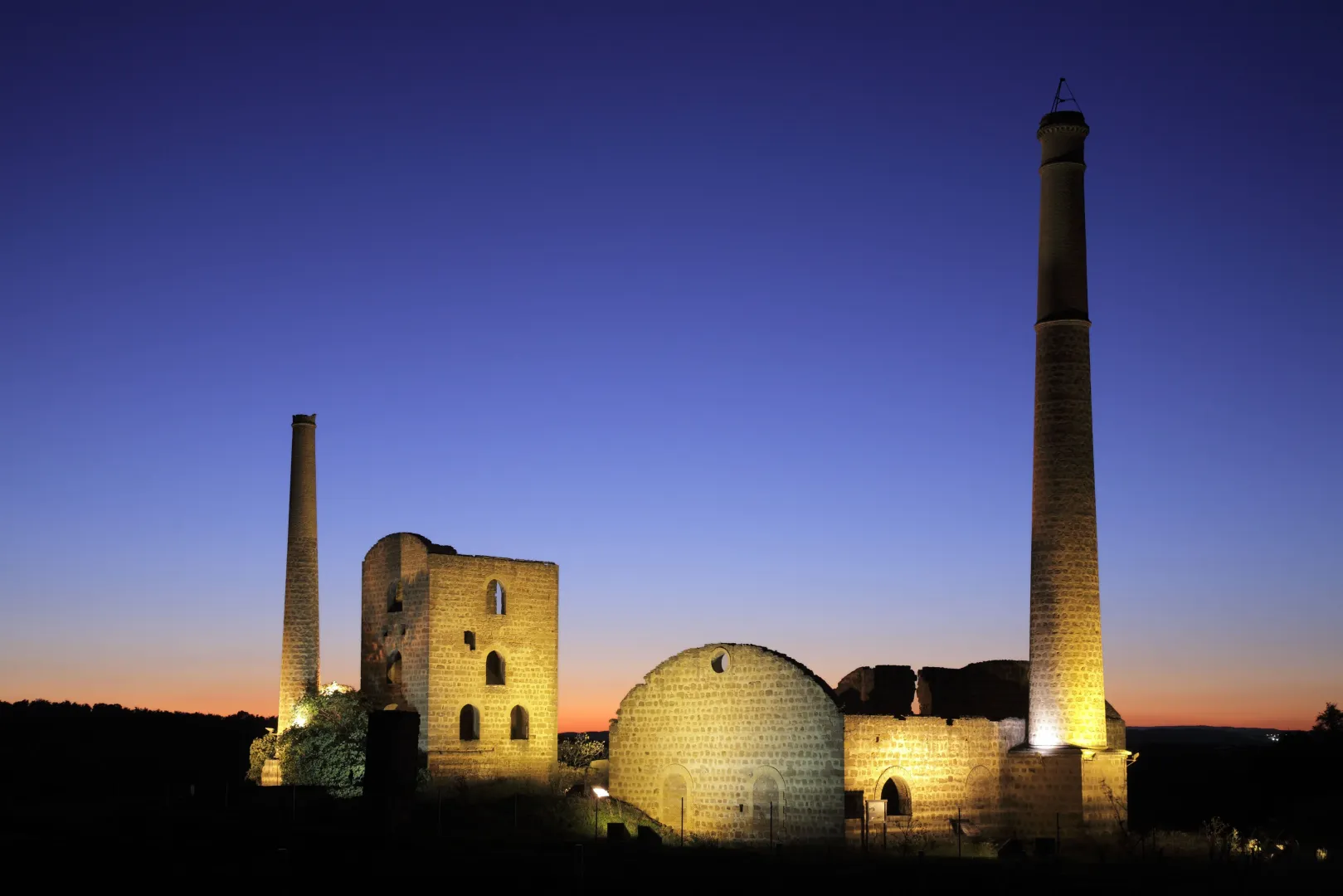
Mining Heritage
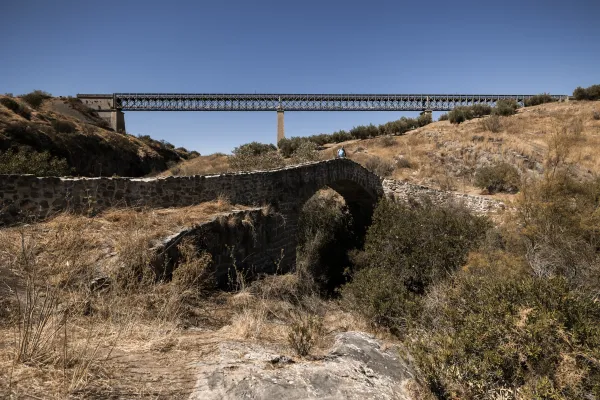
The old shafts and mine chimneys are a familiar sight for the people of the province of Jaén, but they are in fact something truly extraordinary. The province of Jaén has a rich mining past, whose echo still resonates among its mountains. Its landscapes are dotted with old railway stations, mining tracks, engineers’ houses, headframes and foundries that still stand in eight municipalities. Linares, La Carolina, Bailén, Baños de la Encina, Vilches, Guarromán, Santa Elena and Carboneros made up the Linares-La Carolina Mining District.
According to several archaeological studies, mining in this area dates back some 4,000 years. It reached its peak between the 1860s and the early 20th century. Its importance was such that in 1869 its lead production surpassed that of the whole of England, a historic milestone that made the province one of the global epicentres of the Industrial Revolution. After this period of expansion, activity began to decline in the 1930s, and the last mine in Linares closed in 1991 because it was no longer profitable.
Since then, local associations and town councils have been promoting this fascinating heritage. The British press and a lecture by José María Pérez Moreno described the district as Europe’s best-kept secret. Throughout the mining area you can find remains of industrial archaeology of great interest, some of them unique in the world.
This scattered collection of buildings, railway stations, engine houses, chimneys, headframes and tracks tells the story of one of the areas of southern Europe where the Industrial Revolution took hold. Notable examples include the San Luis Foundry in Linares and the San Andrés and Eugenio shafts of the San Pascual mine in Guarromán. In La Carolina, the La Española complex, where the miners’ houses stood, has been preserved.


Museums





















What to visit