
Ubeda and Baeza, World Heritage Site
Let yourself be haunted by two cities full of history, where time stops and the legacy of stone gives it the distinctive "World Heritage." Church, palaces and museums in an urban environment surrounded by the landscape of the Jiennense olive tree define this tourist destination.
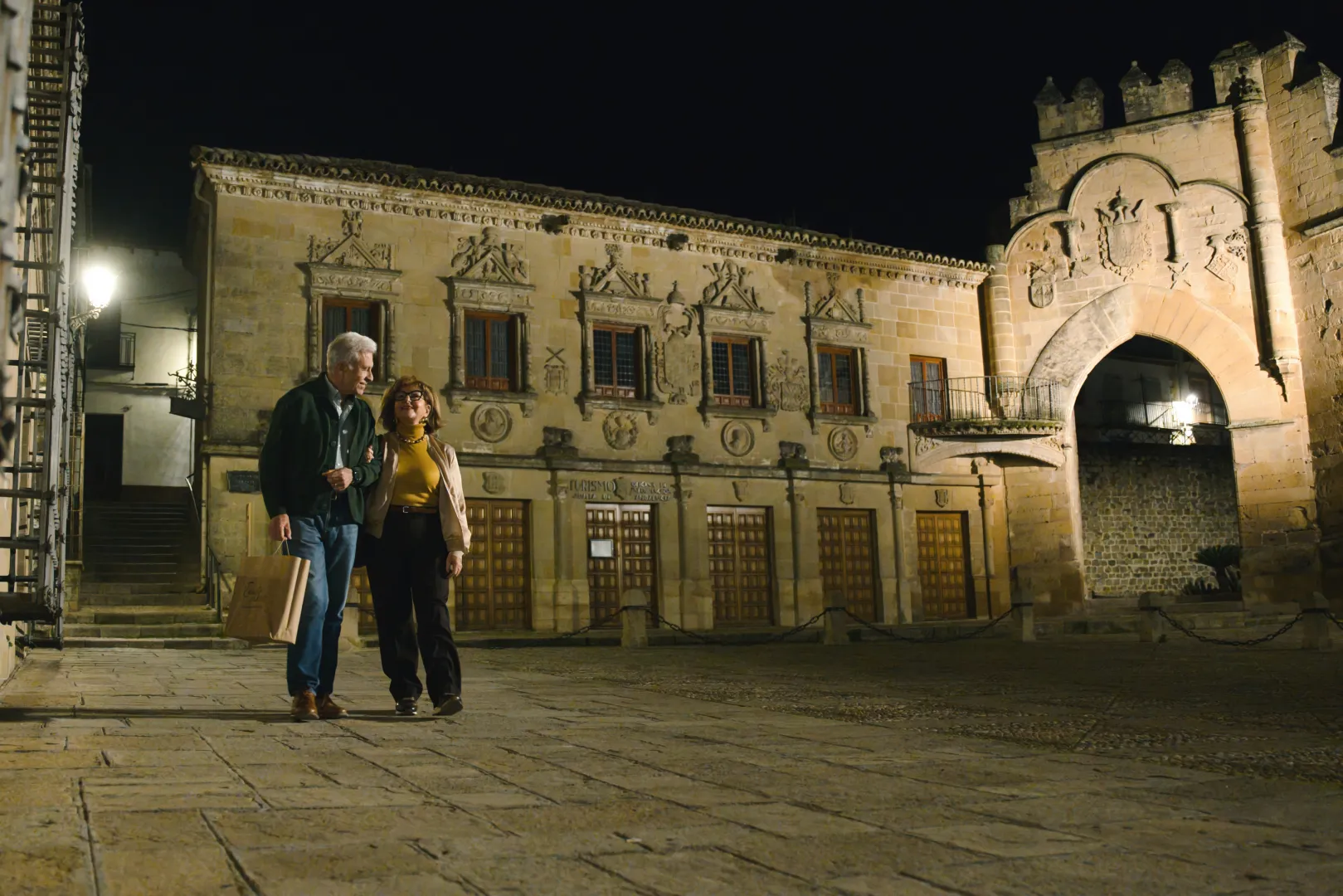
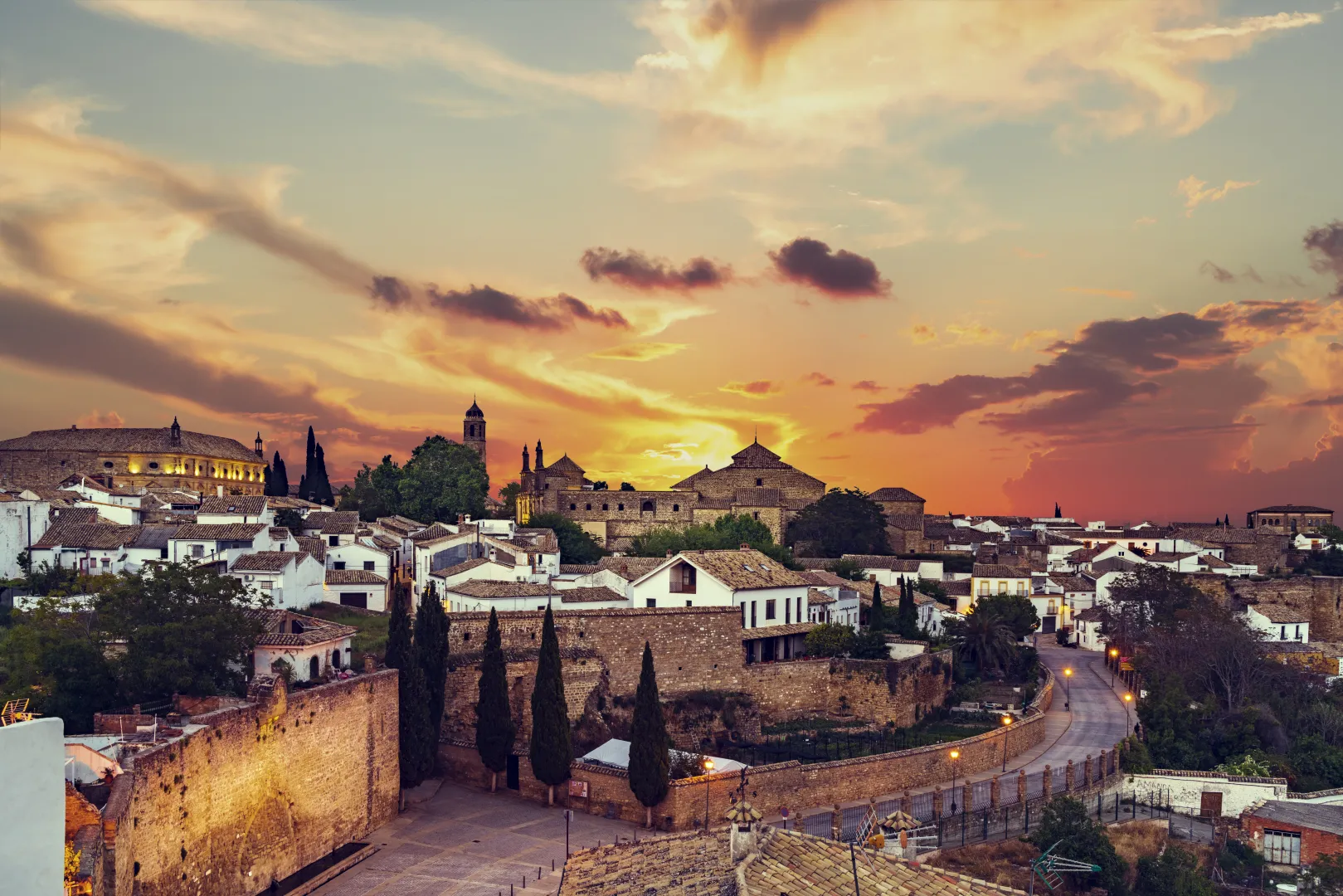
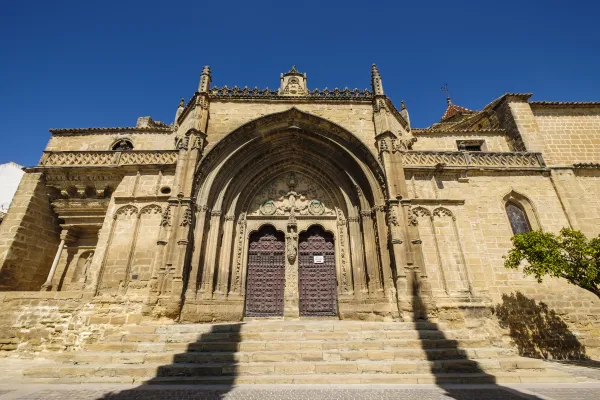
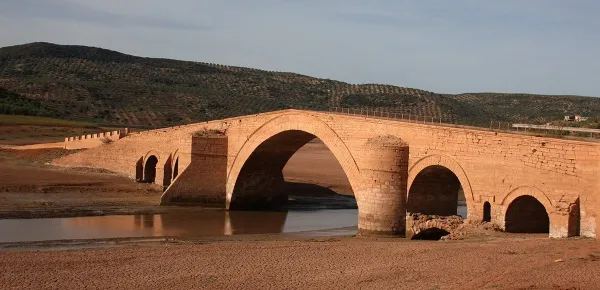
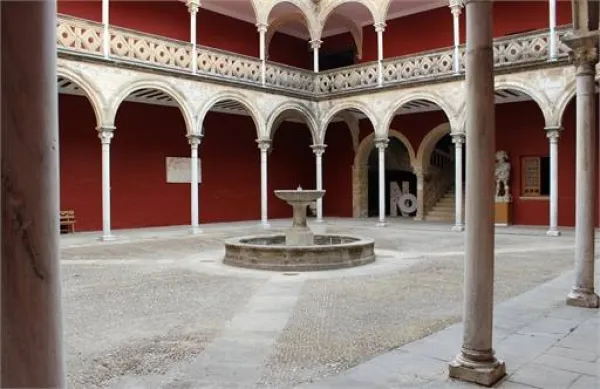
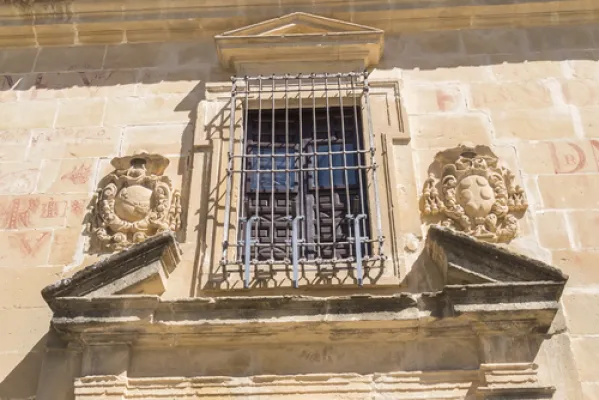
The cities of Ubeda and Baeza, declared World Heritage, retain that spell of 500 years ago and make them the greatest exponent of the Spanish Renaissance. Surrounded by olive groves with the Guadalquivir at their feet, these two cities keep the original route of remote times between their streets. Ubeda represents private architecture and civil power, and Baeza represents public architecture and religious power. The two most prominent figures of those times were Francisco de los Cobos, Secretary of Charles I, and his architect Andrés de Vandelvira, author of the most proud monuments of both cities.
The uniqueness of Ubeda and Baeza becomes palpable in its urban and important buildings.
The traveler is immersed in a walk full of history, a place stopped in time, where poetry, the legacy of stone, the flavors of oil and its traditions make these two cities an unrepeatable cultural legacy.
Meet Ubeda
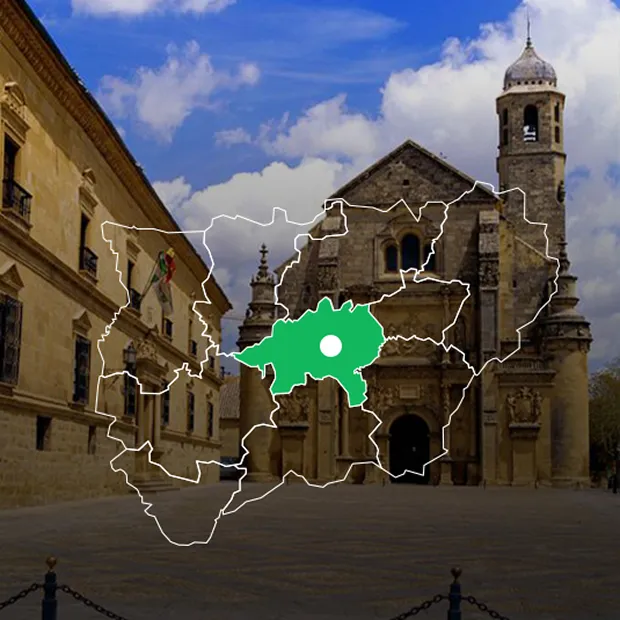
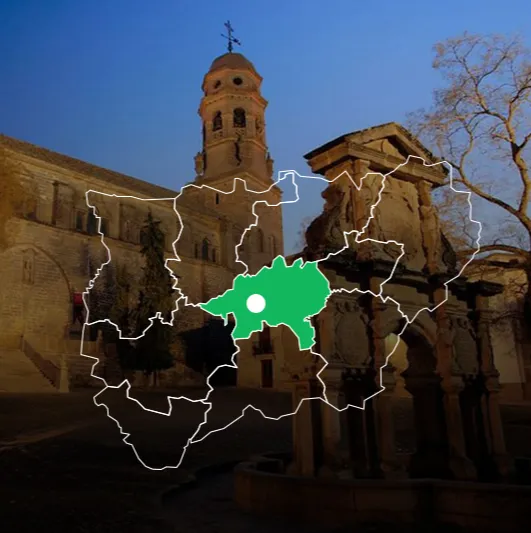
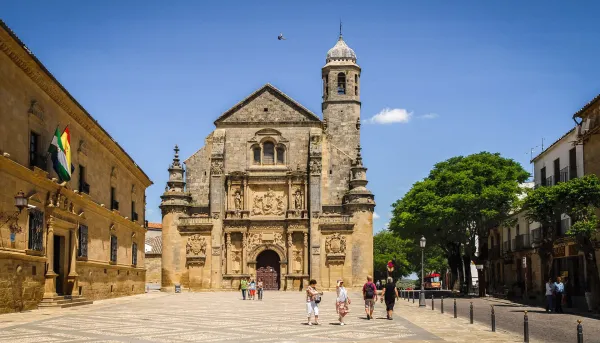
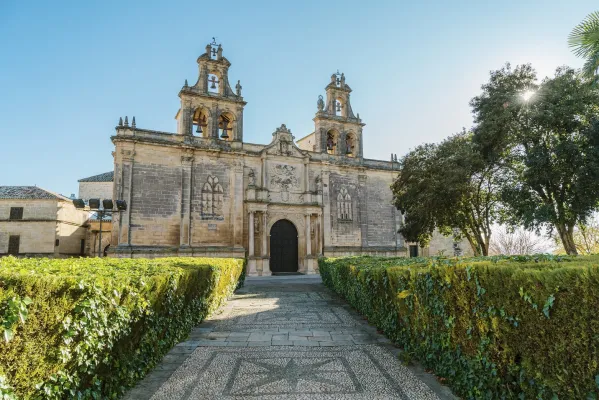
In Ubeda we find the Vázquez de Molina Square, considered one of the most beautiful in Europe, is an open enclosure where the most outstanding monuments of the Renaissance are raised, such as the Funeral Chapel of El Salvador del Mundo, the Church of Santa María de los Reales Alcázares, the Palace of Juan Vázquez de Molina.
You know Baeza
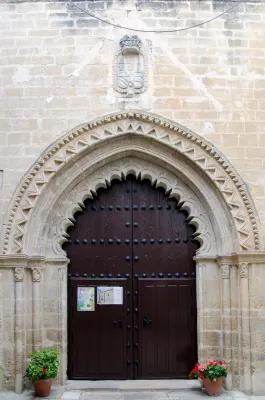
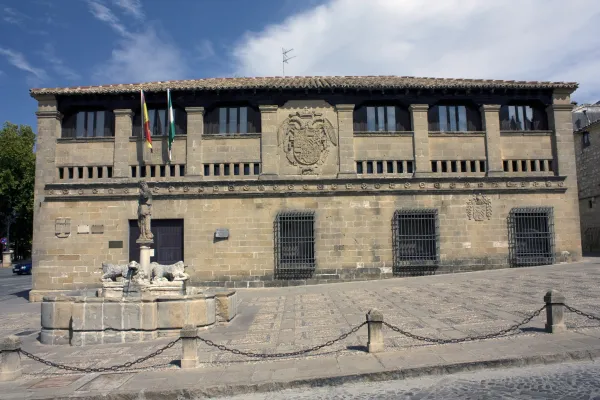
In Baeza stands out the square of Santa María, which exercises the epicenter of the noble city, where it stands out the Cathedral dedicated to the Nativity of Our Lady, and we also find the Romanesque church of Santa Cruz, the Palace of Jabalfifth, the City Hall or the Plaza del Populo.
Ubeda and Baeza 15 years World Heritage


Plan your trip

























What to visit















Agenda
11
Nov
Úbeda Olive Grove and Oil Interpretation Centre: Olive Grove and Oil Tasting Club
11 November 2026
Centro de interpretación Olivar y Aceite de Úbeda

24
Apr
Flamencos y Mestizos Festival
24 April 2026

24
Apr
9th Flamencos y Mestizos Festival
24 April 2026
Varios escenarios

24
Apr
9th Flamencos y Mestizos: Dorantes (Opening Concert)
24 April 2026
Auditorio Hospital de Santiago

7
May
Úbeda European Comic Festival
7 May 2026

7
May
14th Úbeda European Comic Festival
7 May 2026

9
May
9th Flamencos y Mestizos: José Mercé
9 May 2026
Auditorio Hospital de Santiago

15
May

15
May
38th 'Ciudad de Úbeda' International Music and Dance Festival
15 May 2026
Varios escenarios

23
May
16th “Ciudad de Úbeda” Renaissance Motorbike Rally and 1st Biker Photography Competition
23 May 2026

2
Jul
Fiestas del Renacimiento
2 July 2026

10
Jul
FestMuVe
10 July 2026

11
Jul
FestMuve'26: La Plazuela
11 July 2026
Auditorio del recinto ferial de Úbeda

12
Jul
FestMuve'26: Sergio Dalma
12 July 2026
Recinto Ferial

18
Jul
FestMuve'26. Aitana: Cuarto Azul World Tour
18 July 2026

22
Jul
Cinefan Festival
22 July 2026

25
Jul
FestMuve'26. Galván Real: 10th Anniversary Tour
25 July 2026
Recinto Ferial

31
Jul
FestMuve'26. Miguel Poveda: Coplas del Querer
31 July 2026
Plaza de Toros

7
Oct
Úbeda Olive Grove and Oil Interpretation Centre: 7th Oil Routes
7 October 2026
Centro de interpretación Olivar y Aceite de Úbeda

13
Oct
International Historical Novel Competition: City of Úbeda
13 October 2026


22
Nov
Early Music Festival
22 November 2026
12
Jun
SENTIR Baeza AOVE Fest
12 June 2026
Recinto ferial

12
Sep
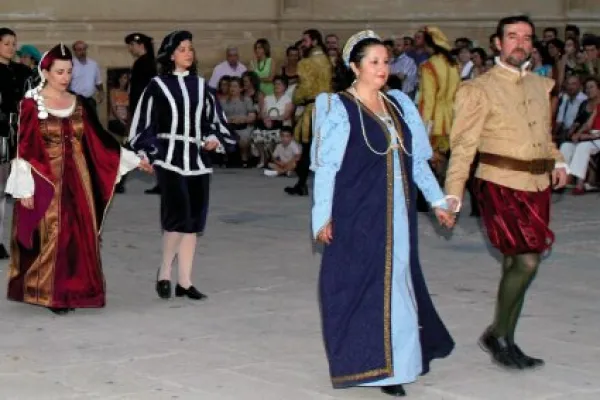
8th Renaissance by Candlelight (Baeza)
12 September 2026

26
Sep
Patron Saint Festivities in Honour of the Virgen del Alcázar
26 September 2026