Saltar al contenido principal

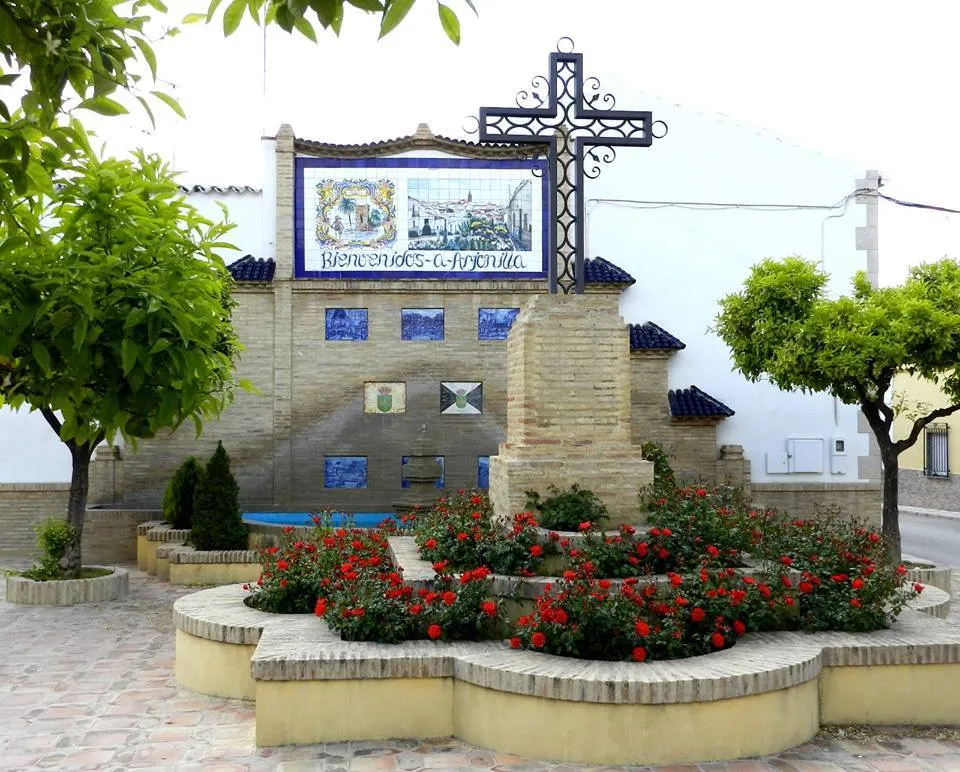
Arjonilla

MUNICIPIOS
  • Arjonilla
  • e8eed32d-840f-f332-cb5c-6fc74a0201aa?t=1605646381917
  • 49c1498e-61c7-73c8-3bac-72a45d6b52cd?t=1595438174696
  • 01593e43-628a-b506-38c5-0f1f9fdc6dc4?t=1605644224878
  • 8f8483d7-6f81-ee19-11b4-57408d3895d6?t=1585924069327
  • 09bb18a0-0306-df60-70ac-20d52d809ac3?t=1585924069139
  • 3ffcbe1d-0e51-bbcf-2fda-eb7aea5c9e45?t=1605644113147
  • 2a50b8e5-468f-c1bf-9032-f7ce80029d65?t=1605644113197
  • 3f2668c2-2a93-7b32-224b-5e5ec02635fa?t=1605646382003
  • b27cfd04-b6fc-14d1-f4fe-0a55346a1da6?t=1605646382115
  • a3145961-fddb-3eba-8107-462f755a12fd?t=1605646382598
  • 00e7340a-1935-8161-38a4-e0b7e32b9cf2?t=1605646382726
  • Arjonilla
  • e8eed32d-840f-f332-cb5c-6fc74a0201aa?t=1605646381917
  • 49c1498e-61c7-73c8-3bac-72a45d6b52cd?t=1595438174696
  • 01593e43-628a-b506-38c5-0f1f9fdc6dc4?t=1605644224878
  • 8f8483d7-6f81-ee19-11b4-57408d3895d6?t=1585924069327
  • 09bb18a0-0306-df60-70ac-20d52d809ac3?t=1585924069139
  • 3ffcbe1d-0e51-bbcf-2fda-eb7aea5c9e45?t=1605644113147
  • 2a50b8e5-468f-c1bf-9032-f7ce80029d65?t=1605644113197
  • 3f2668c2-2a93-7b32-224b-5e5ec02635fa?t=1605646382003
  • b27cfd04-b6fc-14d1-f4fe-0a55346a1da6?t=1605646382115
  • a3145961-fddb-3eba-8107-462f755a12fd?t=1605646382598
  • 00e7340a-1935-8161-38a4-e0b7e32b9cf2?t=1605646382726

Description

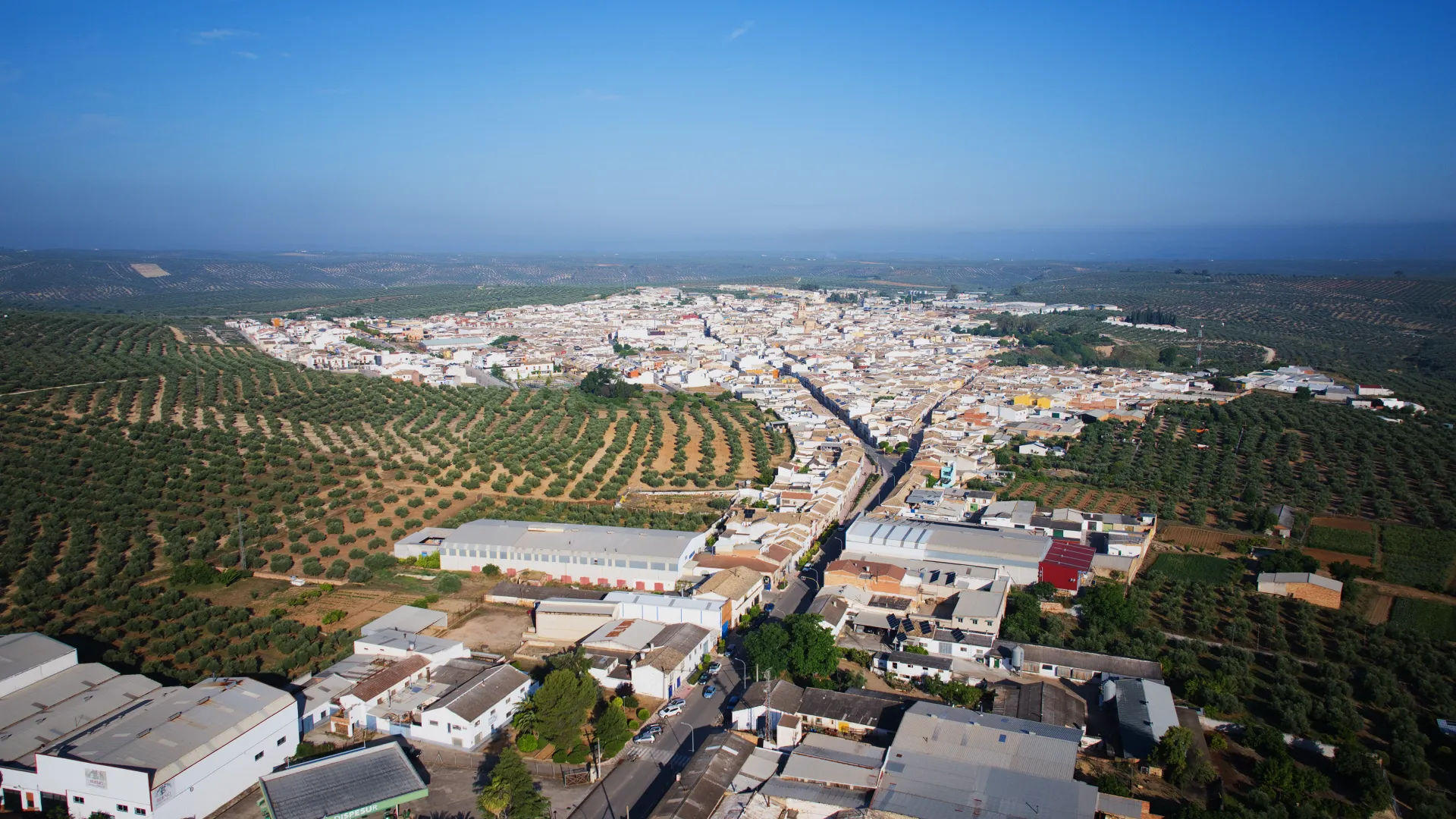
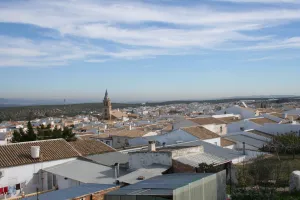
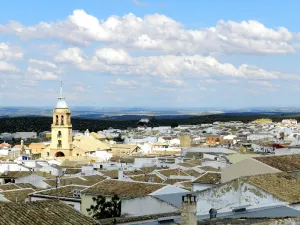
Municipality located to the northwest of the province and belonging to the region of La Campiña.

Eminently agricultural, since almost all of its surface is cultivated land, dominated by the olive tree. We found Arjonilla between a sea of olive trees and a wavy territory, without any relief accidents.

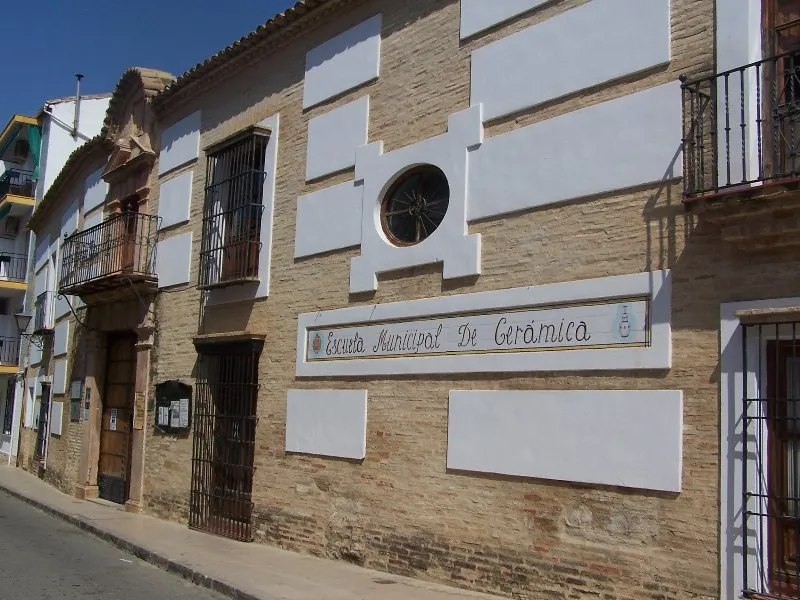
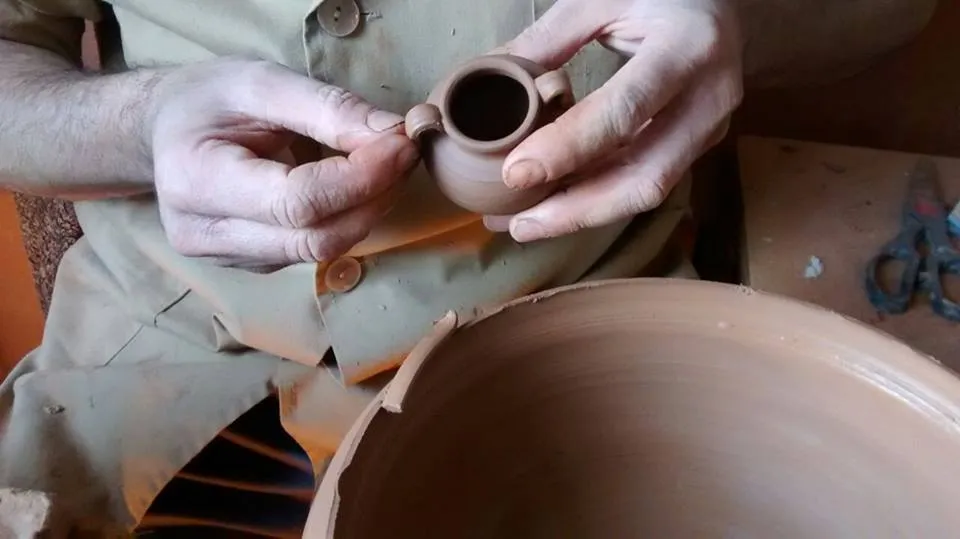
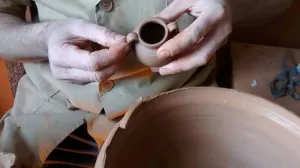
Its main source of income is the collection of olive oil, the production of olive oil, which has developed an important oil industry and the artisan decorative ceramic of high quality, variety and style. It's famous for its clay.

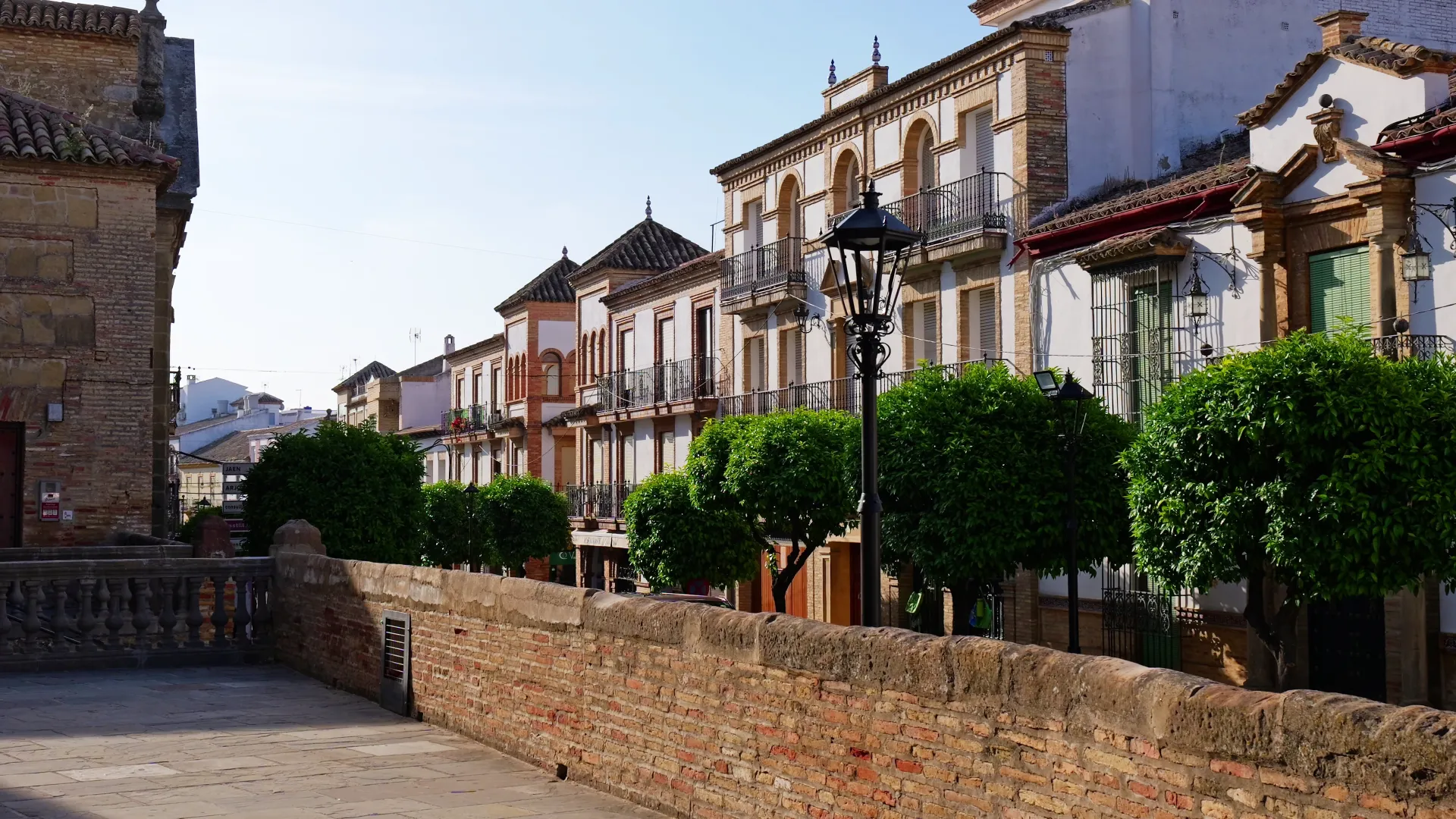
From its historical heritage, we highlight the Castle of Macias, Church of the IncarnationThe House of the Court, Hermitage of Jesus, Palace of the Marquis de la Merced, among others.

Tourist Office

Oficina de Turismo
Avd. Andalucía, 13. 
oficinaturismo@ayuntamientodearjonilla.es
953520410 

Useful Information

Tourist area: Sierra Morena / Sierras de Andújar and Despeñacolos
Distance to the capital (km): 53
Altitude over sea level (m): 348
Extension (Km2): 42
Number of inhabitants: 3876
Gentilice: Arjonilleros
Postal code: 23750

Is part of

AUDIOVISUAL CONTENT

MORE INFORMATION

Culture

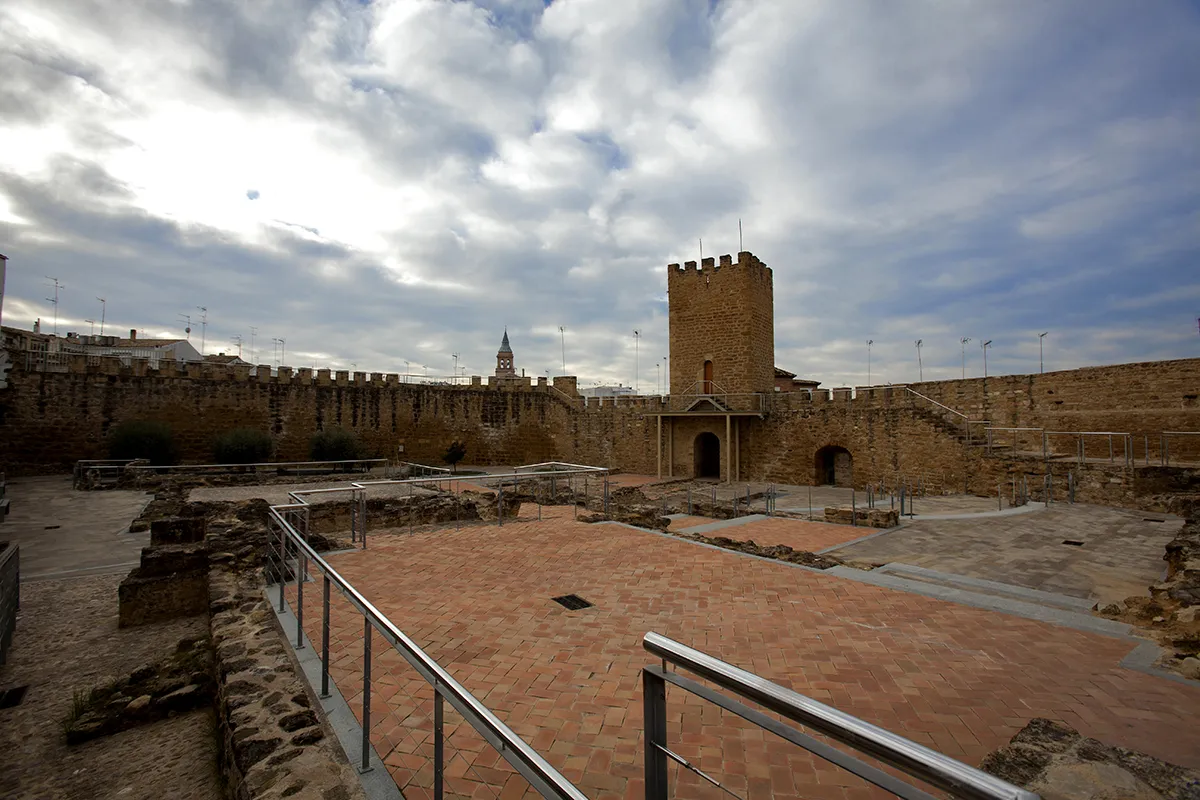
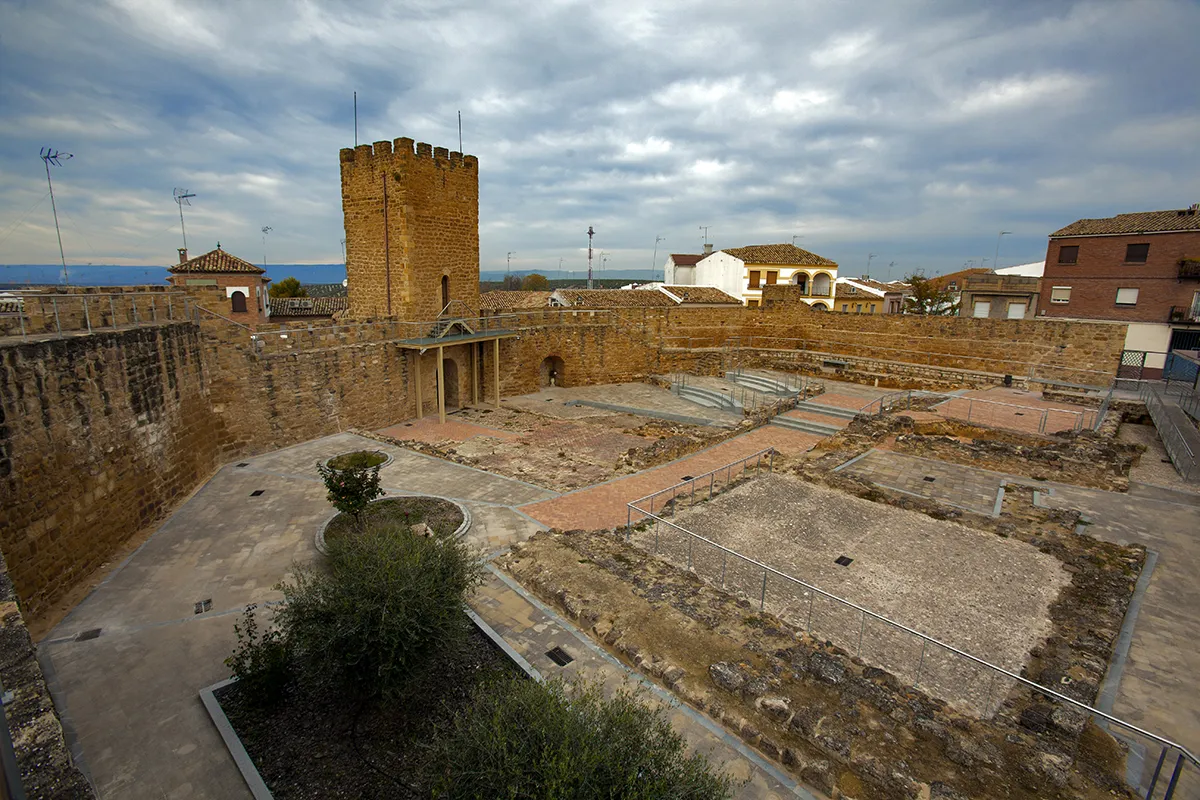
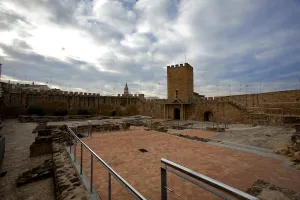
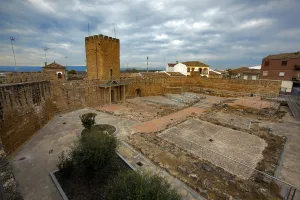
  • The Castle of Macías: It's the most representative medieval building Arjonilla. This medieval fortification was built on an Arab fortress of 8th century. Its most outstanding and ancient element is the Tower of Tribute dating from the 13th century, from a chair with regular chains, it is based on a square-based rock socket. It has three plants that reach 17 meters high. The rest of the compound was erected in the 15th century by the Order of Calatrava. In the form of an irregular polygon of seven sides, three in relative good condition are preserved. This castle is not famous for the war that took place in it, but because in its tower of tribute he lived in prison and died. Macias el Enamorado, whose loves inspired the works of Lope de Vega, "Porfiar to die" and Mariano José de Larra. "Don Enrique the Dollient's maiden." Since 2005 included in the Route of Castles and Battles dand the Diputación de Jaén.It was declared Good of Cultural Interest in 1985.
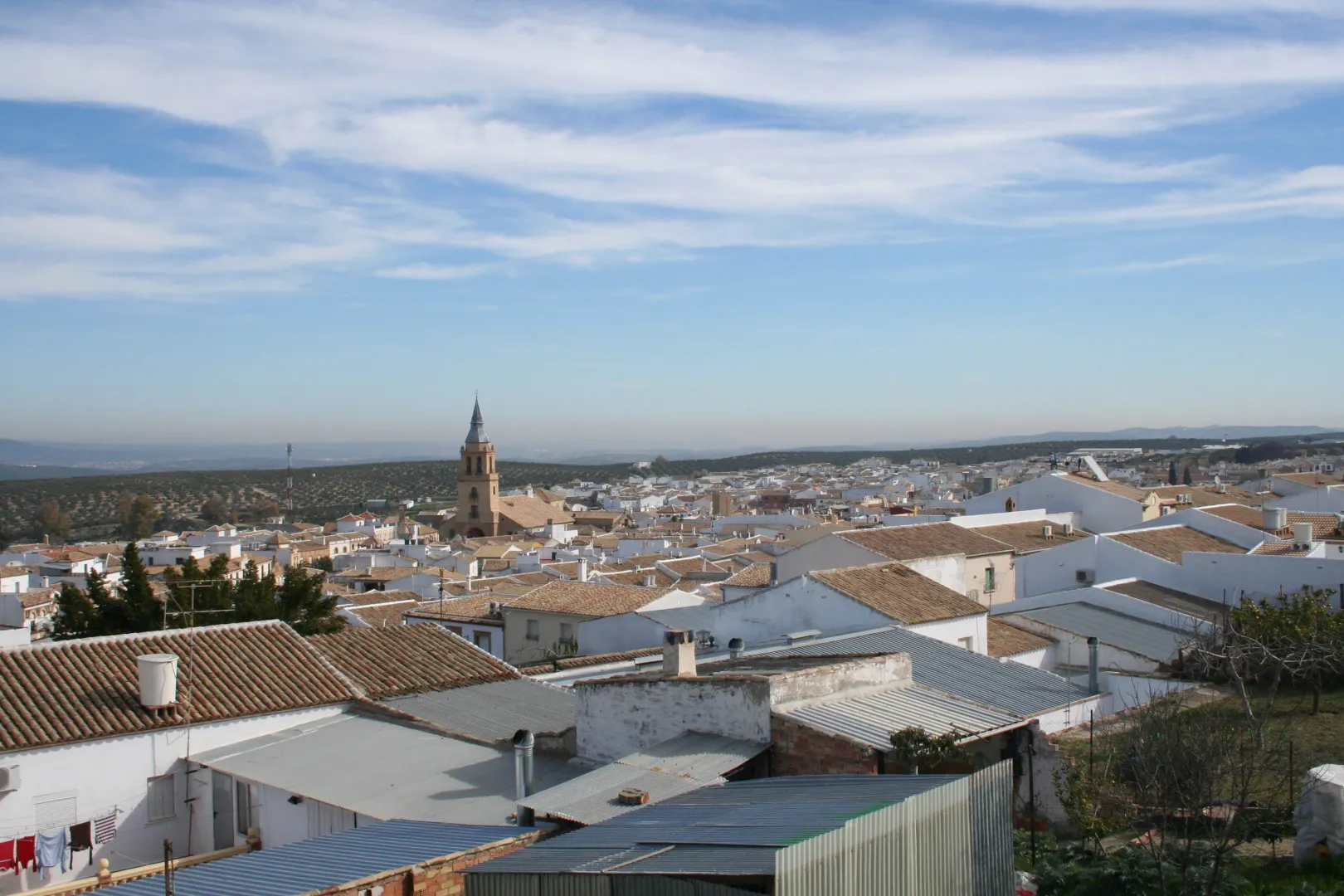
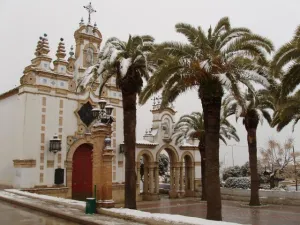
  • Church of the Incarnation: It was built following the Gothic style from the early 16th century. Its plant consists of three ships separated by cruciform pillars and covered with a mudejar roof that in the 18th century was camouflaged with false cross vaults. The chorus and the mannerist altarpiece were destroyed in the 1936 Civil War and later restored. The sacristy is accessed by a plateresque cover. It has a pantheon and side chapels, built between the 17th and 18th centuries. Highlights the size of the tower of octagonal structure and traces mannerist, raised at the foot of the church in the early 17th century. The cover of the church is discovered behind a large half-point arch of silery at the start of the tower. It was declared an Artistic Historical Monument in 1983.
  • House of the Court: Known as Old Town Hall is the more interesting civilian building Arjonilla. Of this building built in the early years of the 17th century, only the facade made of stone is preserved. It has three bodies. In the bass, the door with lintel and wide Tuscan pilasters. In the second one a large balcony flanked by two great mannerist figures, popularly known as "the sticks of sticks" and in the third the shield of the Austrians in the center, the shield of the villa and another place on both sides.
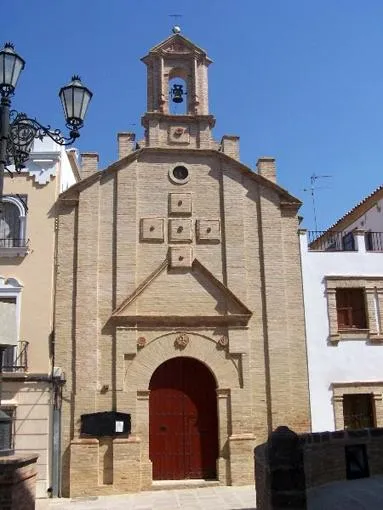
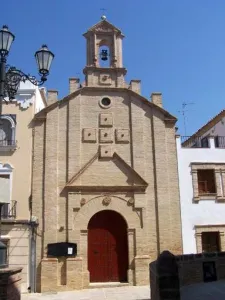
  • The Hermitage of Jesus: Built in the 17th century, retains the cover of its only floor with canyon vault with lunetes. The 18th century facade stands out for its monocrous simplicity of the brick, the ascending verticality of lines and the articulation of spaces. From its interior to highlight the Jesus' shrimp with paintings of this century in the vault.
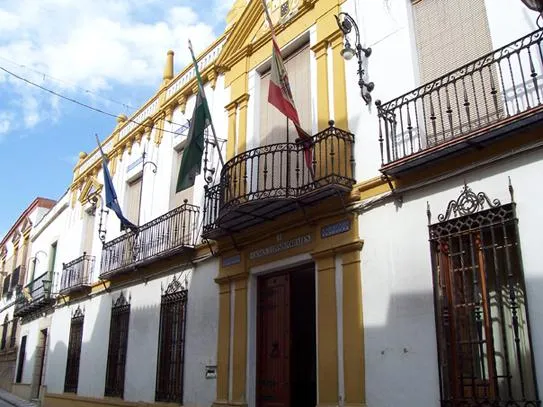
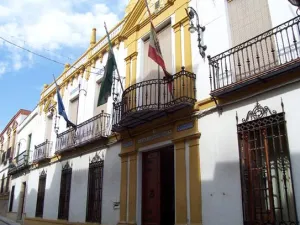
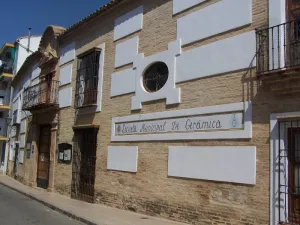
  • Palacio del Marqués de la Merced: Building of the late 17th century, whose facade has two intellized bodies: on the top it has a forging balcony crowned by a party fronton. It is the seat of the Arjonilla Museum Collections, opened in 2018. It has a room dedicated to the archeology of the municipality, another is the Hall of Historical Ceramic Reproductions of the pottery potter Manuel Bejarano and will shortly have other rooms dedicated to the traditions of Arjonilla to illustrious characters....

Nature

The average altitude of the municipality is 315 m and is located in the surroundings of the Guadalquivir River and the Jandula River. The Arjona Salado stream represents the limit of the municipal term with the city of Andújar in the northeast. Arjonilla is a agricultural municipality, since almost the whole of its surface is a land of cultivation dominated by the olive tree, along with the one that develops a powerful oil industry.

The vegetation in the locality is influenced by agricultural use, which has led to the gradual replacement of the original shrubs and shrubs by olive trees, or by other crops such as wheat or barley. The vegetation of natural origin has therefore been relegated to road cunetas and roads. In the streams we can find remains of river vegetation like canes, tarais and alamos.

In the term of Arjonilla we can distinguish three ecosystems: the olive tree, the banks of the streams with its riverside vegetation and the godparents or liners.

  • The olive tree: The olive tree has an important ecological function. To be the main ecosystemIt's the one that determines most of its fauna. In the old logs of the centenary olive trees find numerous refuge birds, mammals and reptiles. Its fruits are a food of great energy value that takes advantage of the species that live in the olive grove as well as those migratory birds that replenish forces for their long traverses. Among the species that live in a continuous way are: the green and the green in the months of spring and summer, and in winter the curled curled, the red petrored and the common zorzal.
  • Patrons and banks of the streams: The biodiversity of the olive tree increases when, along with it, streams and godparents or lines of Mediterraneanwhere the thick vegetation can develop: carrizos, telfas and tarajes. In this case the number of species increases, both of nesting species and greenhouses: sparrow, common pinzón, jilguero, nightingale, defeat, golondrin, lettuce, corneja... To the list of birds join others amphibians looking for moisture: common toad, green frog, salamander...Reptiles Like the ripple, stair, common lizard...Mammals Like the rabbit, hare, hedgehog, fox, badger...

In the town of Arjonilla we find places of natural interest such as:

  • La Albarrada: This is an old mud quarry next to the city centre. It has an artificial water lagoon very interesting for its ecological function.
  • The Pino and the Marmolejo well: It is the symbolic tree of the town declared a protected landscape element. In its vicinity is the well of Marmolejo, whose construction dates from 1730, as it prays in a tile of the brocal of the well. He brought water to the people of Arjona and Arjonilla.
  • Source of the scribe: It has traditionally been a watershed for animals and pour its water into the stream of the Fountain of the scribe.

Parties and Events

  • The Candelas of San Antón: on the night of January 16, the eve of Saint Anton, fires are lit so that the Holy One can protect domestic animals.
  • Holy Week: The steps of the Holy Week of Arjonilla are very viscous. Some events such as Palm Sunday with the display of the palms, carried out by people of the village and on Good Friday the act of "unnailing" Christ, procession of the Holy burial and preaching.
  • Corpus Christi: The neighbors decorate some of their streets with vegetable motifs and pastries (heraldic tapestries) and raise beautifully decorated altars for this day. The night before, it's tradition to walk those streets...
  • Romeria de la Virgen de la Cabeza: they feel the arjonilleros special devotion for the Virgin of the Head to whose Romeria they come with their own fellowship.
  • Festival of San Roque, August 16: It is celebrated in honor of San Roque, patron of Arjonilla since the 17th century. During these days, playful activities take place, highlighting the popular verbenas in which you can taste the typical "punch." In the early morning of the 15th, the Virgin of the Rosary's Brotherhood awakens its neighbors with songs of aurora. It is a tradition that dates back to the 16th century. It's tradition to eat this day "bean potage with eggplant." Tradition dating from 1602, when the people of Arjonilla, to win the favors of the Holy One, promised to refrain from eating meat on the day of their holiday.
  • Festivals of the Virgin of the Battle the second Sunday of October: It is organized by three families of the town. The most important act is the drawing of the "Los Cargos," flag, scepter and cane, of the Virgin of the Battles, who is the patron of Arjonilla, received worship in the hermitage of San Roque.
  • Medieval Macy Festivals, Last weekend of September. Medieval market that takes place around the Castle, with many sales posts and many activities, such as exhibition of fighting, cetries, archery, street animation, creative workshops

Gastronomy

The traditional cuisine of Arjonilla is identified with the customs of the region to which it belongs, with some gastronomic particularities, as it can be "the potage of beans with eggplants"that the arjonilleros take the day of their patron's feast, San Roque.

I sing arjonillero: a piece of bread in which a hole is made, to pour olive oil accompanied by crushed tomato, ham, cheese, sausages, olives....

In addition to the traditional gazpachos, the "Salmorejo Old, of clear influence and that is a heavy gazpacho with yolks of eggs cooked and adorned with the clear of them. They are also typical of Arjonilla's kitchen, "skimmed or spun bobbins," "crumbs with stumps" or "chestnut stew"which is prepared for the feast of the Saints on November 1. We can't forget "the Torrijas","The Tickles of San Blas "" the Hole " or "Bread of the Saints.".

History

Arjonilla is located in an important archaeological area, the cradle of the Iberian civilization, as the Iberian settlements and funeral cores of the nearby Cerro Venate show. This town must have disappeared around 600 to C. And when centuries later a new nucleus is established it does so in the place that today occupies this town. The existence of clay in the area facilitated the establishment of Roman settlements, proof of this are the material remains found. Also highlight the abundance of Roman coins in the area of San Antón. At this time belongs the stone found in the 19th century and is exposed at the entrance of the bishopric of Jaén. A visionary settlement was also located

For most of his history, It belonged to Arjona, which was conquered by Fernando III around 1244. In the early 14th century, the administrative control of much of the countryside was assumed by the Order of Calatrava and among the fortresses he administered was the castle of Arjonilla. King John II forced the Order to dwell and rebuild the castle in the first half of the 15th century.

The first reference documentary by Arjonilla data of 1282 when the town is given to the archdiacon of Ubeda, forming a lordship, which lasted a few years, as the same archedian, sells it to the village of Arjona. It will be in the 16th century when Arjona gets jurisdictional independenceby Carlos I. From the 17th and 18th centuries the olive tree began to have great relevance In its agricultural landscape, an incipient industry settled in oil mills began. During the War of Independence in 1808, occurred in the term Arjonilla a great battle against the French, prelude to the later battle of Bailen. The industrial activity was encouraged by the arrival of the railway, the improvement of the roads and the installation of the electricity in 1901.

In this municipality

1

Accommodations

1

Restaurants

11

Services

12

Events

We recommend