


Description
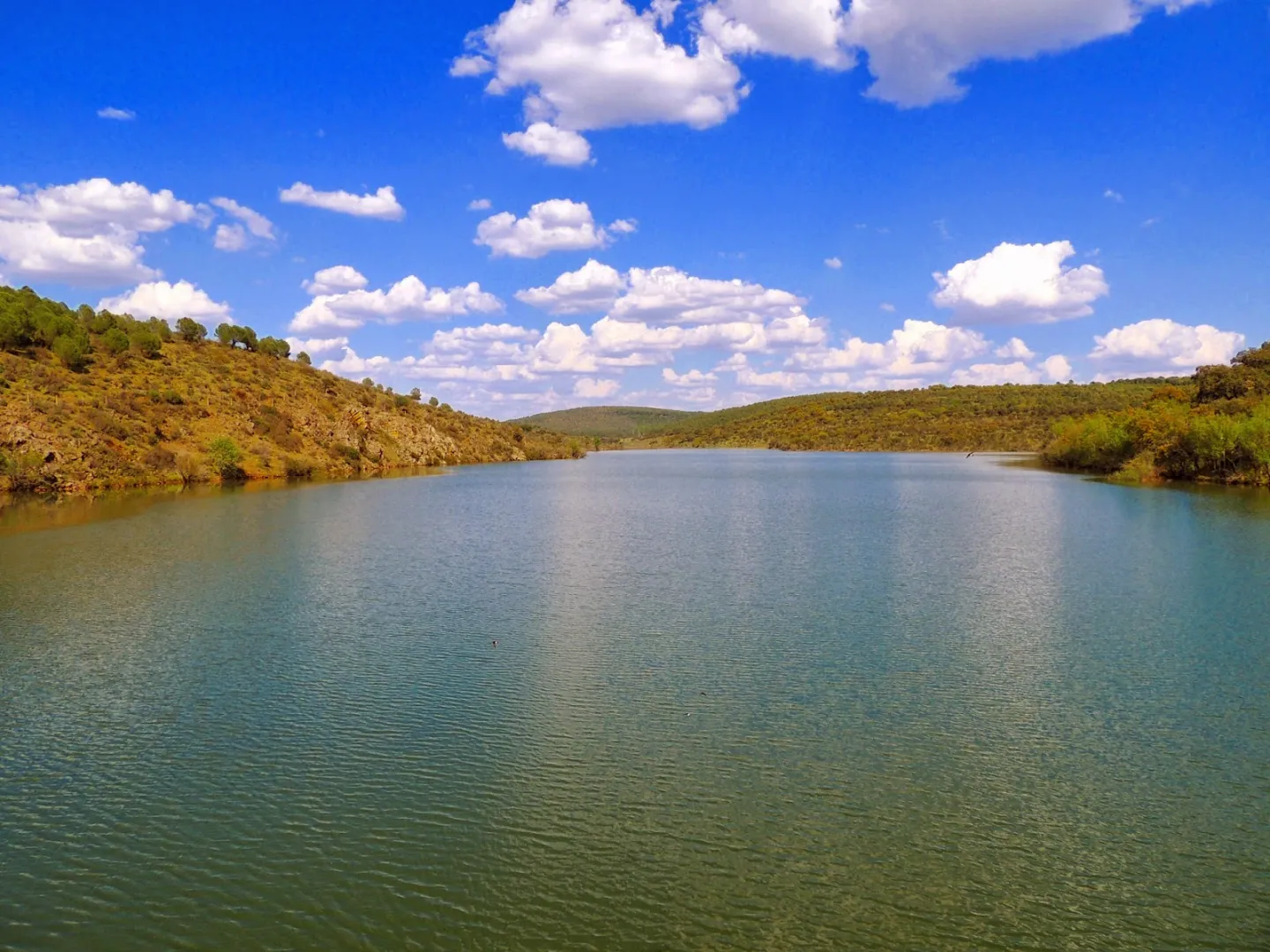
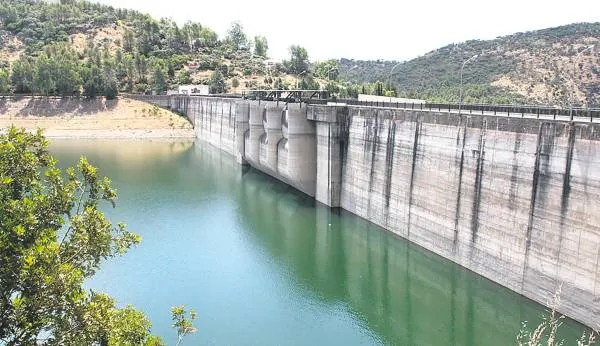
The Dañador reservoir is located in the NE of the Province of Jaén, included in all its extension in the municipal term of Montizón.
It is accessed by the road that crosses the region of El Condado (A-312), there are two options: from Castellar to A-6203 after passing the cores of Aldeahermosa, Montizon and Sale of the Saints; or through the JA-9101 by Chiclana de Segura, which links with the A-6203 for Sale of the Saints.
From this last core the A-6203 is followed for 4 km. To the point of kilometer 43, where a narrow road that, after 4.5 km, leads us to the reservoir leaves to the left. From the neighbouring province of Ciudad Real it would be necessary to take the CM-3129 from Villamanrique, which at the provincial limit becomes the already mentioned A-6203.
The Environment
The Dañador reservoir, owned by the State and managed by the Ministry of the Environment, belongs to the Guadalquivir Hydrographic Confederation, and is located in the eastern end of Sierra Morena. Here the relief is low, with soft moist formations, not reaching any point in the geographical area around the 1,000 m altitude. This whole area of the Northeast of the municipality of Montizón is based on very old materials, specifically slate and quartdate of the Paleozoico de la Meseta, as this is a contact area with it.
The average rainfall exceeds 600 litres per square metre per year.
The reservoir is mainly nourished by the waters of the Dañador River, of little length (53 km.), which is born in the Province of Ciudad Real and is already in the Province of Jaén in the Guadalén River, tributary in turn to the Guadalimar and the latter of the Guadalquivir.
Since 1997, this area has been under environmental protection by the European Union called the LIC (Community Interest Place) for the characteristics of its ecosystem and the biodiversity of wild fauna and flora. Specifically this protection figure extends over an area of more than 1,700 km. squares in the north of the Province of Jaén by the basins of the Guadalén, Guadalmena and Rumblar rivers.
From a natural point of view, the importance of these spaces lies in the presence of plant formations typical of the Mediterranean mountain, some of them in good conservation, as well as the existence of phunistic species of particular interest for their scarcity. Among the first are the traditional oak oak, which is accompanied by other specimens of the genus Quercus, such as the alcornoque, the complaint and point cuts of melojo oak, species that give shelter to a sotoforest of noble Mediterranean dungeon (madroño, brezo, lentisco, cornicabra, agracejo, labiérnago, coscoja, etc.).
Also of great importance in the area are the masses of Pinus pinea and Pinus pineer from repopulation, as well as the forest formations in the gallery in the watercourses.
With regard to fauna, it is worth noting the existence of several cynetic species (deer, boar, gus, rabbits, etc.), as well as the isolated presence of some protected mammals such as the wolf, lince or meloncillo; of birds related to the aquatic environment, and of birds of special interest such as imperial eagle, royal eagle, leonate vulture or royal owl.
near here
We recommend