San Antón
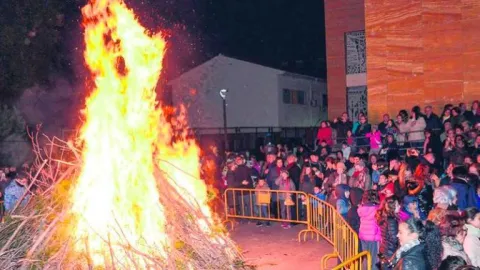
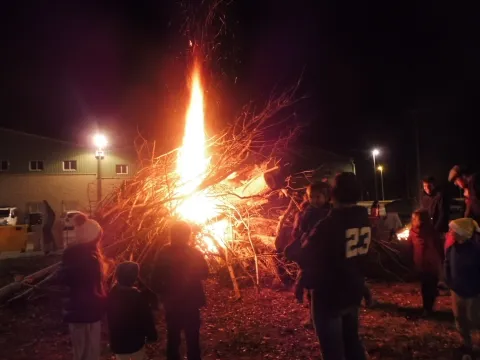
On 17 January, which coincides with the end of olive-tree pruning, when the branches are used to make “lumbres” (bonfires).
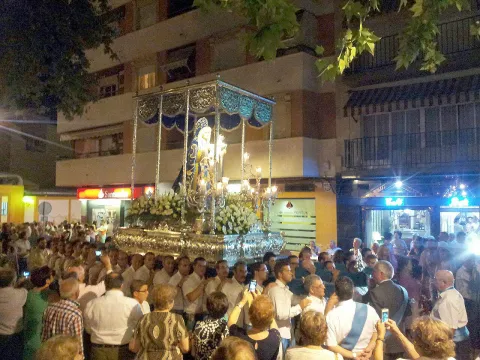
Held around 26 July, this festival guarantees fun and quality musical performances. For a week, the image of the Virgin is brought down in the Rosario de la Aurora procession to the Church of San Bartolomé, where the Virgen Niña is displayed for a devoted kissing-of-the-feet ceremony. It is one of the town's most important festivals; during the fair days, several artists perform in the town. Children's and youth activities are held, such as the well-known “Garbanzo de Oro”, in which local young people search the town for an envelope bearing those words, receiving clues over local radio to help them find it and win a prize. It's a fun game that has been played for years, calling for a bit of detective skill and wit among the contestants, making it lively and highly entertaining for young people.
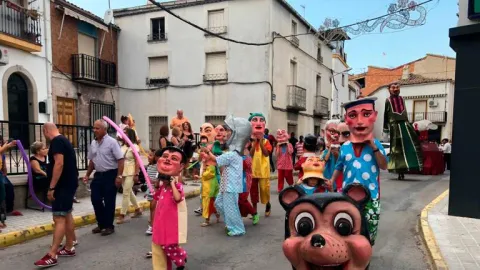
Between 20 and 24 August. Although intended to honour Santa Águeda, it is also a nod to the emigrants who return to their hometown at this time of year. The festivities begin with the traditional opening address, and there's no shortage of the characteristic bull runs, which have the distinctive feature of being held at night.
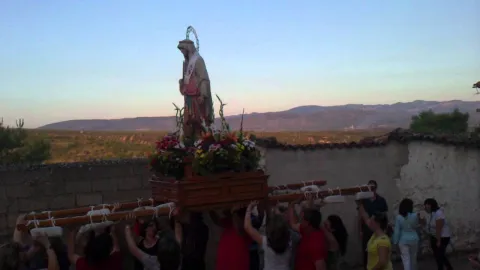
On the last weekend of May, the Pilgrimage of Santa Quiteria is held, Co-Patron Saint of Sorihuela and patron of the fields along the drove road, at the hermitage that bears her name, 3 km from the town, at the spot known as “Cerrico Pelón”. On Sunday afternoon, the image is carried in procession to the bridge over the Guadalimar river.
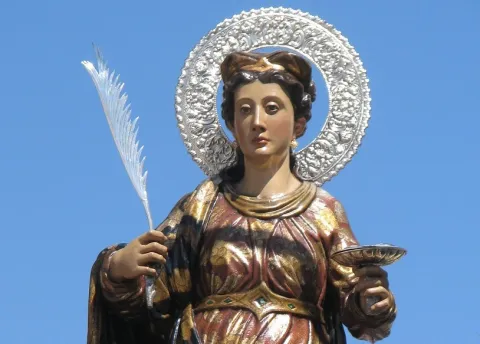
She is the patron saint of Sorihuela de Guadalimar, and this festival commemorates 5 February 1235, the day the town was reconquered from the Muslims. The religious services begin on 27 January at the parish church with the novena to the Saint, each day of which is dedicated to a particular group (children, young people, the elderly, emigrants, catechists...). Many events are held by the people of Sorihuela to honour their patron saint: a large bonfire, poetry recitals by children, songs, competitions and more. The devotion felt in the town for Santa Águeda, the intercessor for women's breast ailments, is deep. It is customary to hand out bread rosquillas during the days of the novena, popularly known as “caridad” (charity). These rosquillas are kept and eaten whenever someone falls ill.
Tradition holds that in the 16th century, the people of Siles made a vow to the saints San Marcos and San Roque to build them a hermitage, having been freed from the bubonic plague through their intercession. Ever since, this event has been celebrated every year.
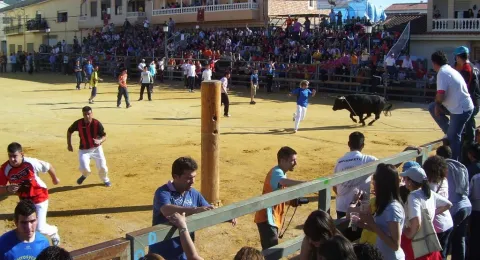
Between 10 and 16 August, Siles holds its main festivities in honour of its patron saint. The festival begins on the 10th, when the image of San Roque is brought in procession from his hermitage to the parish church, where religious services will be held in his honour every day. The saint returns to his hermitage on the 16th. The highlight of this week of festivities is the daily bull run, but the most notable is the one held on the eve of San Roque, when the last bull to run that day, known as “La vaca del agua de San Roque”, is not put down at the end of the event, but is instead taken to the hermitage to be sacrificed, amid the cries of residents who throw buckets of water at it shouting ¡agua! (water!), in an ancient rite of purification.
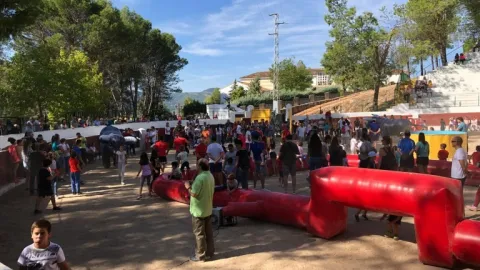
From 27 to 29 September. These highly festive celebrations always include the traditional bull runs and night-time open-air dances. In the past, a fair was held here where mountain dwellers from the region would trade livestock, buying and selling.
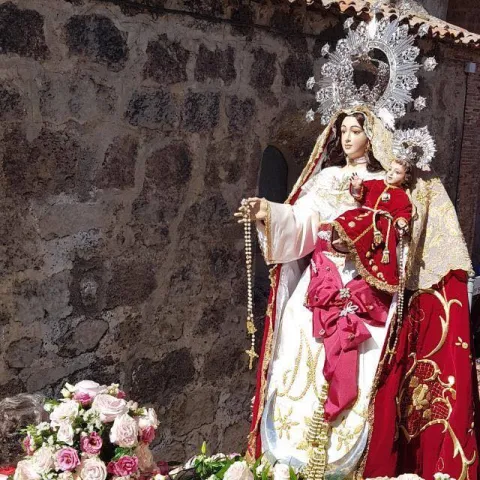
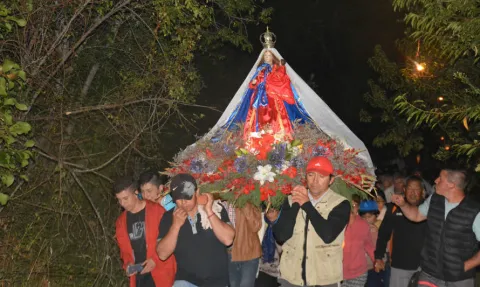
With the arrival of the first days of October, on the eve of San Francisco, the 4th, the prelude begins to the festivities the people of Segura dedicate every year to their patron saint, Nuestra Señora del Rosario. Until the 8th of that month, a series of festive events take place, the most moving of which is undoubtedly the procession of the patron saint, carried on the shoulders of the women of Segura. During these days, colourful and traditional bullfighting events are held in the town's distinctive square bullring, including the young men running the young bulls through Segura's streets.
On 17 January. This feast is celebrated with a bonfire made from olive-tree prunings. An old custom was “el marranillo de San Antón”, a small pig cared for by the whole town and auctioned off or raffled among residents on this day.
A festival at which bonfires (“lumbres”) are also lit, commemorating the Presentation of Jesus at the temple and the Purification of Mary.