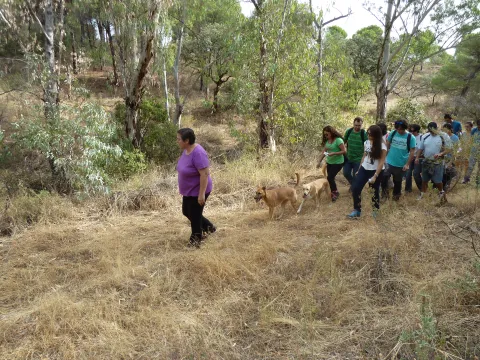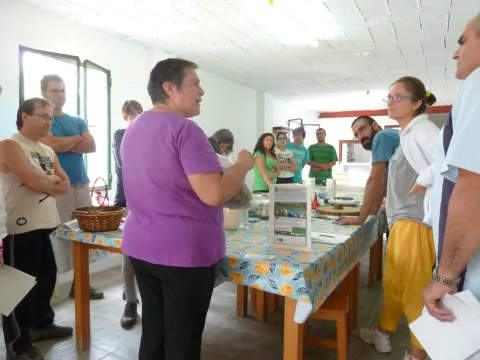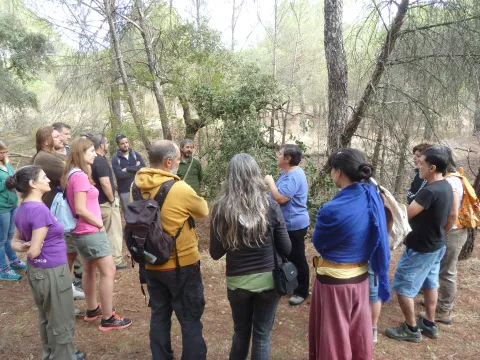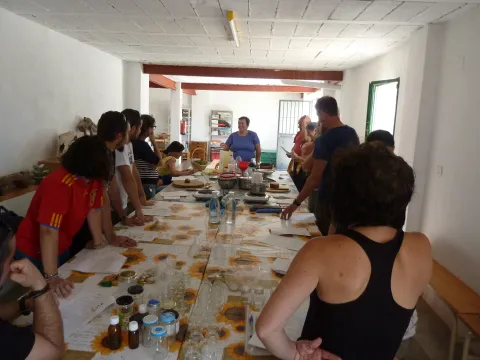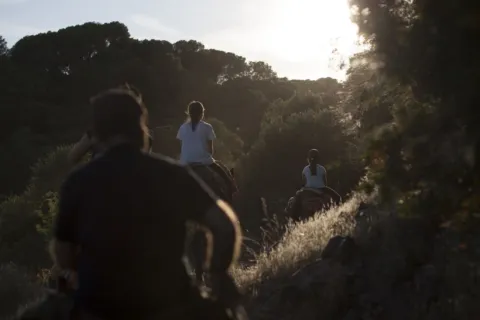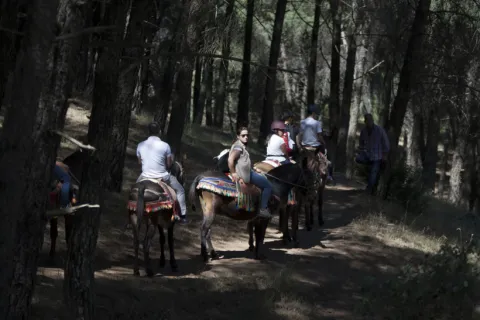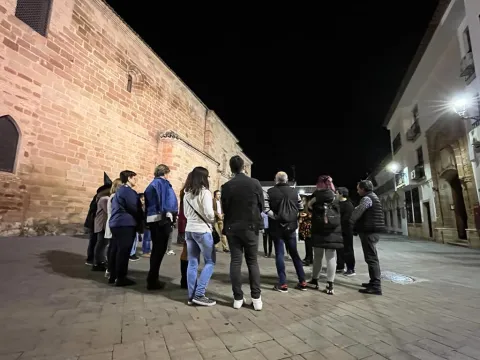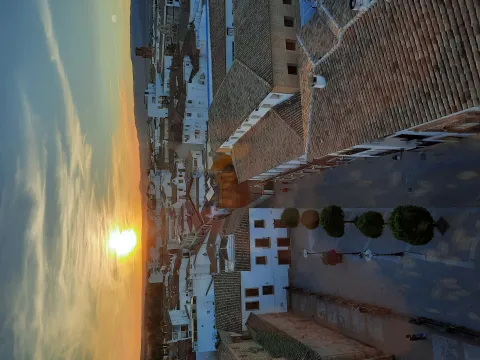
An ecosystem vision like the one we defend highlights the importance of including the human being as a substantial part of the ecosystems we want to conserve. This takes us away from the concept of passive conservation that for so long has caused a fracture between object (medium) and subject (person) of such harmful consequences. The new philosophies, to which we adhere, highlight the value of systems from a socio-ecological perspective in which human beings play a fundamental role, especially in a Mediterranean ecosystem transformed by the presence of human beings for more than two millennia.
Demographic mobility, rural abandonment and the consequent population concentration in cities bring a set of risks added to the original complexities of ecosystems and make up a serious challenge for the conservation objectives we defend in Naturoots. Spain has become a demographically atypical country in Europe, with vast areas of population densities so extremely low that they are only compared to arid regions in northern Finland. This represents a great loss of both natural and cultural values and increases the risk of degradation of many of the most environmentally valuable formations in our environment.
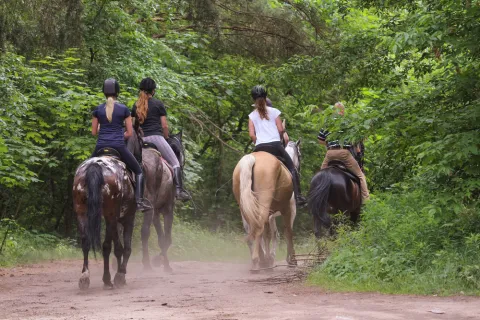
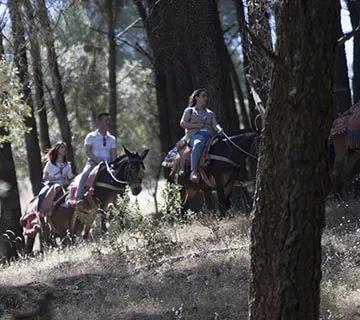
The need to reestablish the connection with nature seems essential to us in the context in which we are. That's why Naturoots has a social commitment.
linked to the dissemination of traditional values as a basic tool for achieving sustainability objectives. The establishment of rural employment and participation in general local development projects are also part of our social commitment.
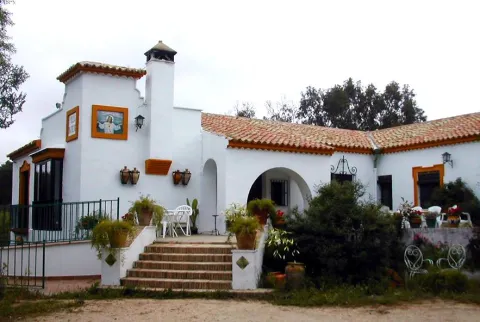
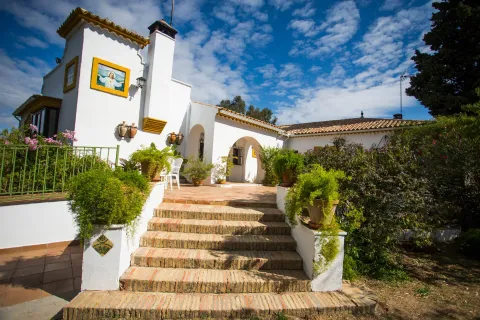
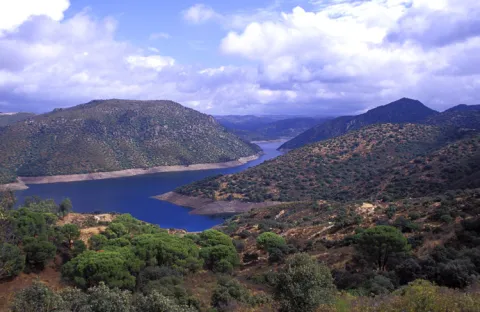
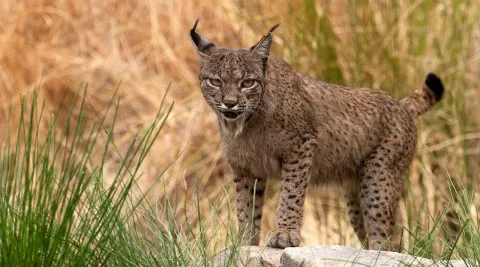
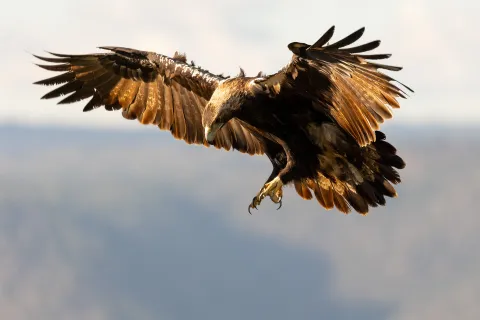
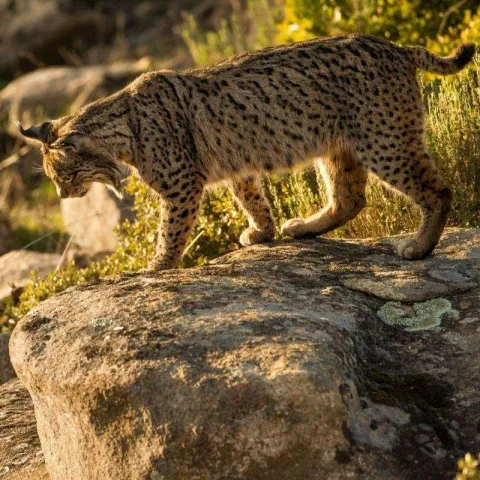
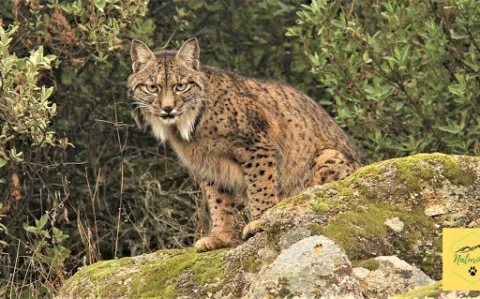
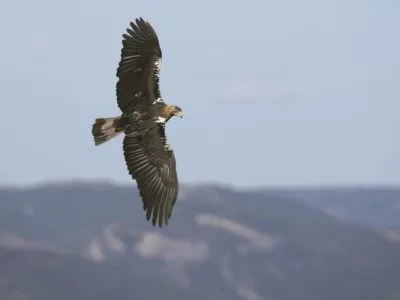
This philosophy is the one we want to implement in the estate El Altozano (Sierra de Andújar), with a management started in 2017. The drafting of a Technical Management Plan allowed this natural space to be declared an Ecological Reserve, a figure oriented to the conservation that is granted to private farms in Andalusia. The Plan includes, among others, actions aimed at habitat improvement, with particular emphasis on the conservation of the mountain rabbit, a key species in the diet of the Iberian lince and the Iberian imperial eagle.
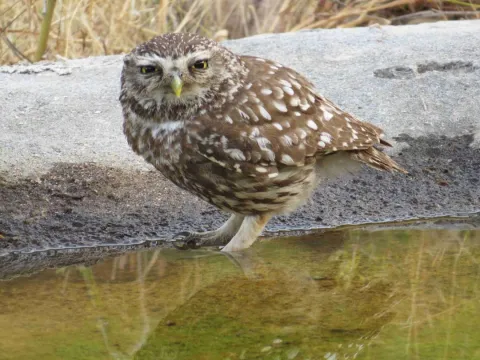
For this purpose, artificial hammocks for rabbits, an artificial pool for amphibians (only water point on the farm during the stony) and shrubs have been made in order to open clear for the improvement of the grass. In addition, every year the mass of pine pineapple from repopulation is clarified in search of a mixed forest, which allows to filter light to the ground so that other species and the regeneration of the forest can grow.