Fair and Festivities in Honour of Santa Potenciana
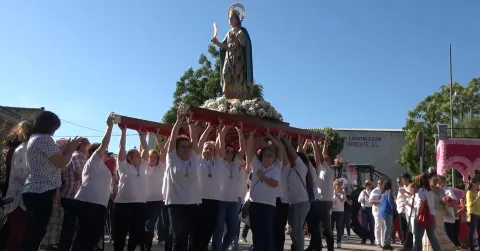
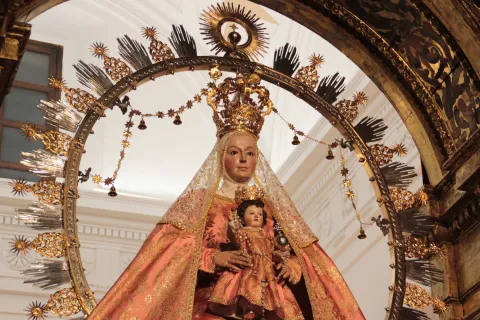
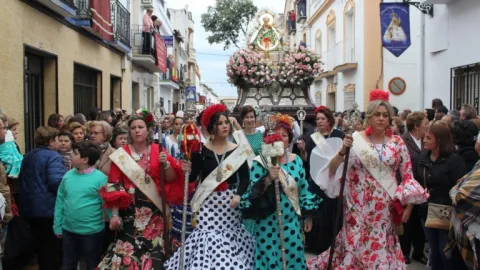
Patron saint of Villanueva de la Reina. Cultural, sporting and leisure activities are organised to mark the occasion.
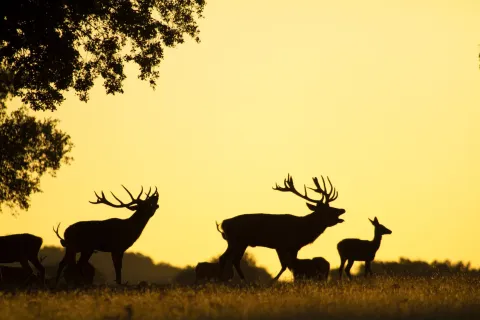
Observing wildlife in the wild is one of the great attractions of the province of Jaén. Of all the species living in the Cazorla, Segura y Las Villas, Despeñaperros and Sierra de Andújar Natural Parks, one impressive mammal stands out: the red deer. With the arrival of autumn, visitors can enjoy a beautiful natural spectacle starring these deer: the rut. It's one of the province's great natural draws, with privileged spots for witnessing this fascinating moment. Scheduled routes are available, which can be booked in advance.
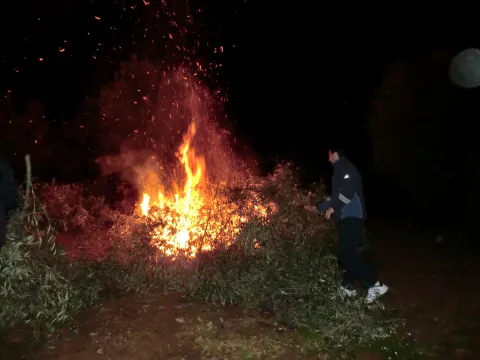
A festival in which residents from different neighbourhoods light bonfires all across Marmolejo.
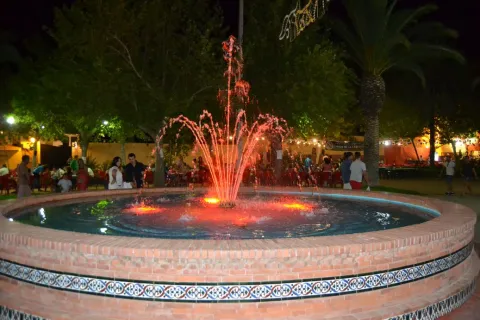
During these days, a wide variety of sporting, cultural, entertainment, musical and traditional activities are organised, bringing the town to life.
This is probably the oldest pilgrimage in Spain, held on the last Sunday of April. On the Sunday before the main festival week, the image is moved from the Hermitage of Jesús to the parish church of Nuestra Señora de la Paz. On Saturday morning, the streets fill with colour, song and joy as pilgrims, horses and carts pass by, making their way up to the Sanctuary of the Virgen de la Cabeza, located deep in the Sierra Morena.
A festival held on 2 February in which residents gather around large bonfires, in local clubs and groups of friends or family, sharing their finest food and drink, with the songs and dances typical of this festival, such as circle songs around the fire.
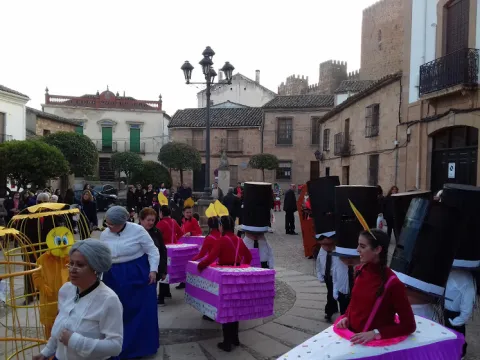
Held mainly, and in recent years, on the first weekend of Lent, extending until Ash Wednesday, when it is typical to see masked figures dressed in mourning, performing exaggerated cries of grief as they carry Don Carnal in the famous "Burial of the Sardine".
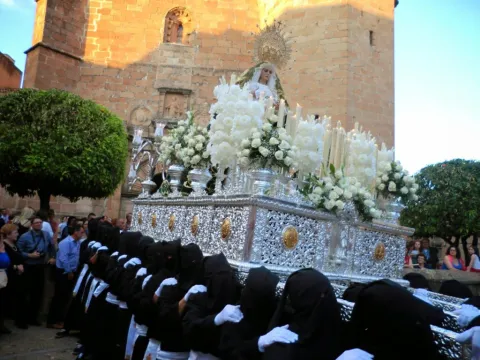
Holy Week in Jaén takes on many varied forms. In Holy Week in Baños de la Encina, distinctive emotions can be found. The people of Baños feel deeply the fervour and devotion of a Holy Week dating back to the 16th century, which today can be enjoyed as a masterclass in art. Let us look, then, at some of the feelings deeply rooted in the popular culture of this town, with a single purpose: to remain faithful to the culture of our ancestors and to the historical-religious event that has inspired more art throughout the world than any other, Holy Week.
In this town, the coplas de pasión are sung, characterised by being performed as duets or trios, sharing no traits with the saeta. In recent years, this town has revived the "desenclavamiento" (unnailing): a ceremony held in the early hours of Good Friday, involving the handing over of the nails and the crown of thorns of Jesus to the Virgen de los Dolores, while the sung opening address is heard.
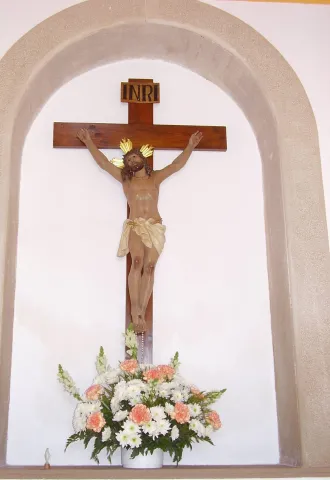
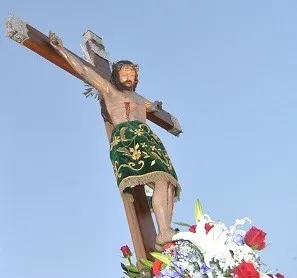
Held on the first Sunday of May, as a prelude to the main day of the pilgrimage, the Cristo del Camino resides in his hermitage at the foot of the Cuesta de los Santos, very close to the Hermitage of the Virgen de la Encina.
The Patron Saint Festivities of Baños de la Encina are held on the second weekend of May. Without doubt, the main event is the Pilgrimage of the Virgen de la Encina, in which, on the second Sunday of May, the image is moved to the Sanctuary, accompanied by all the people of Baños on floats, on horseback, or even on foot. On the Saturday, the Floral Offering to the Virgin is also held, along with various street parades, fireworks and the release of young bulls. On Fair Monday, the procession of the Patron Saint, Jesús del Llano, takes place. All of this is enlivened by the Fairground, with its stalls, tombolas and good wine, over five days.