Tourist Office
Plaza Constitución, 1
Tfno.: 953 678 540
http://www.turismobailen.es/es/
turismo@ayto-bailen.com



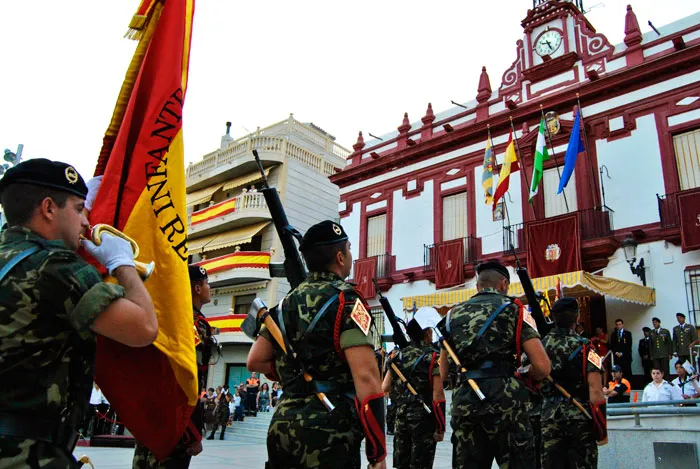
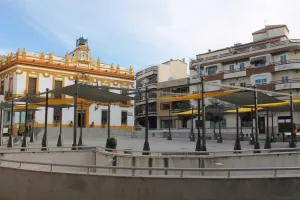
The municipality of Bailén is located to the north of the province of Jaén, at the foot of Sierra Morena.
It is the natural passage of the communications that link the center and north of the peninsula to the South, and also the east to the west of Andalusia.
The occupation of its inhabitants alternates between activities related to olive and agriculture and industrial activity, especially in this regard the ceramic sector, both artisanal and industrial.
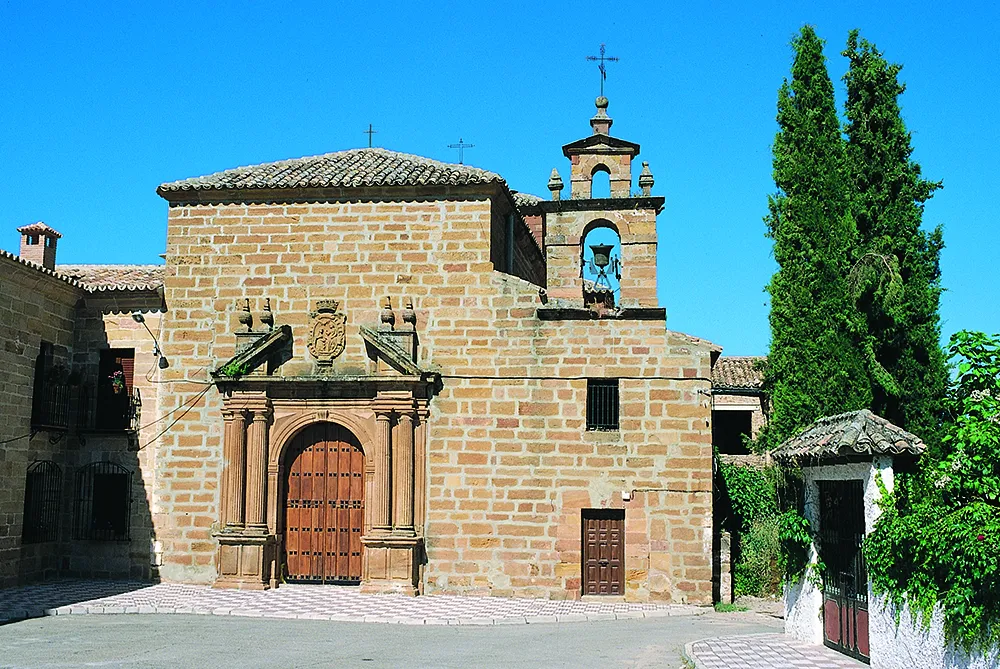
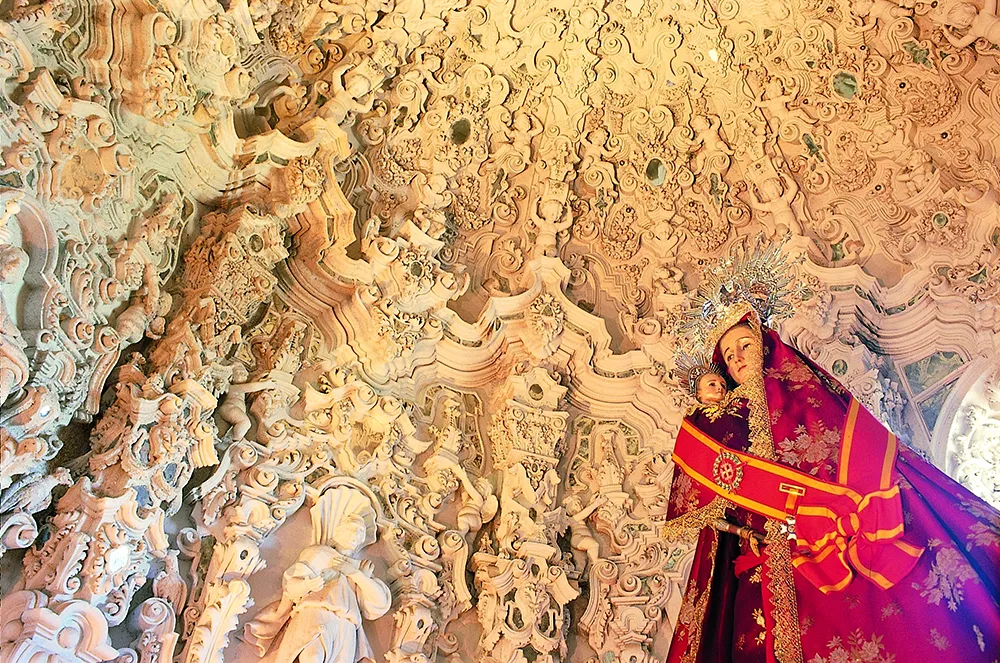
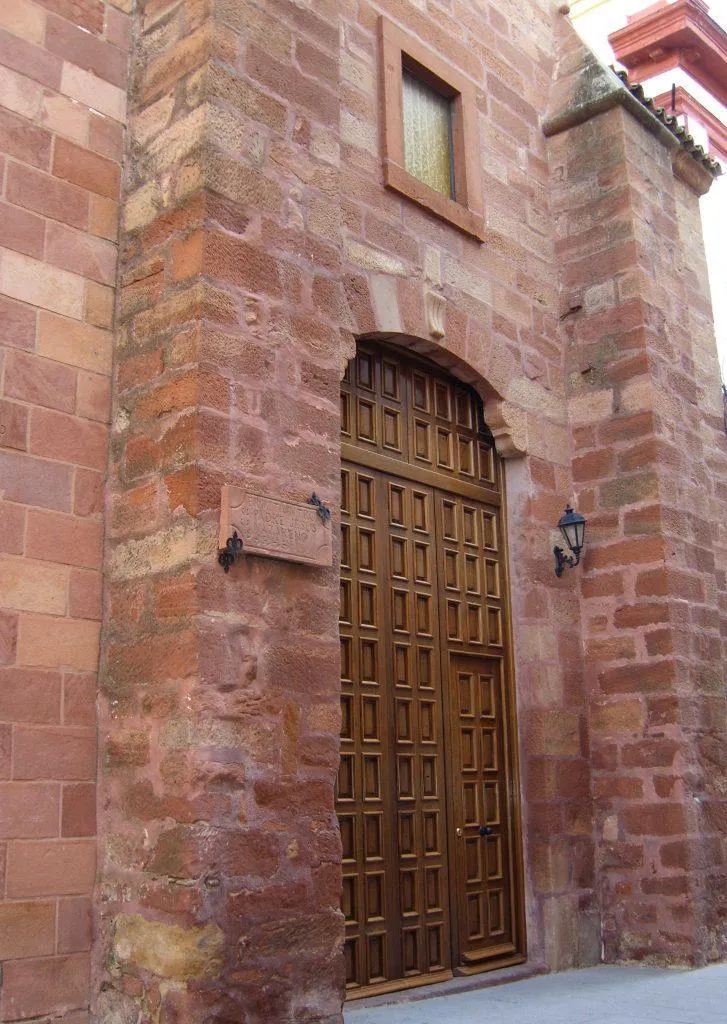
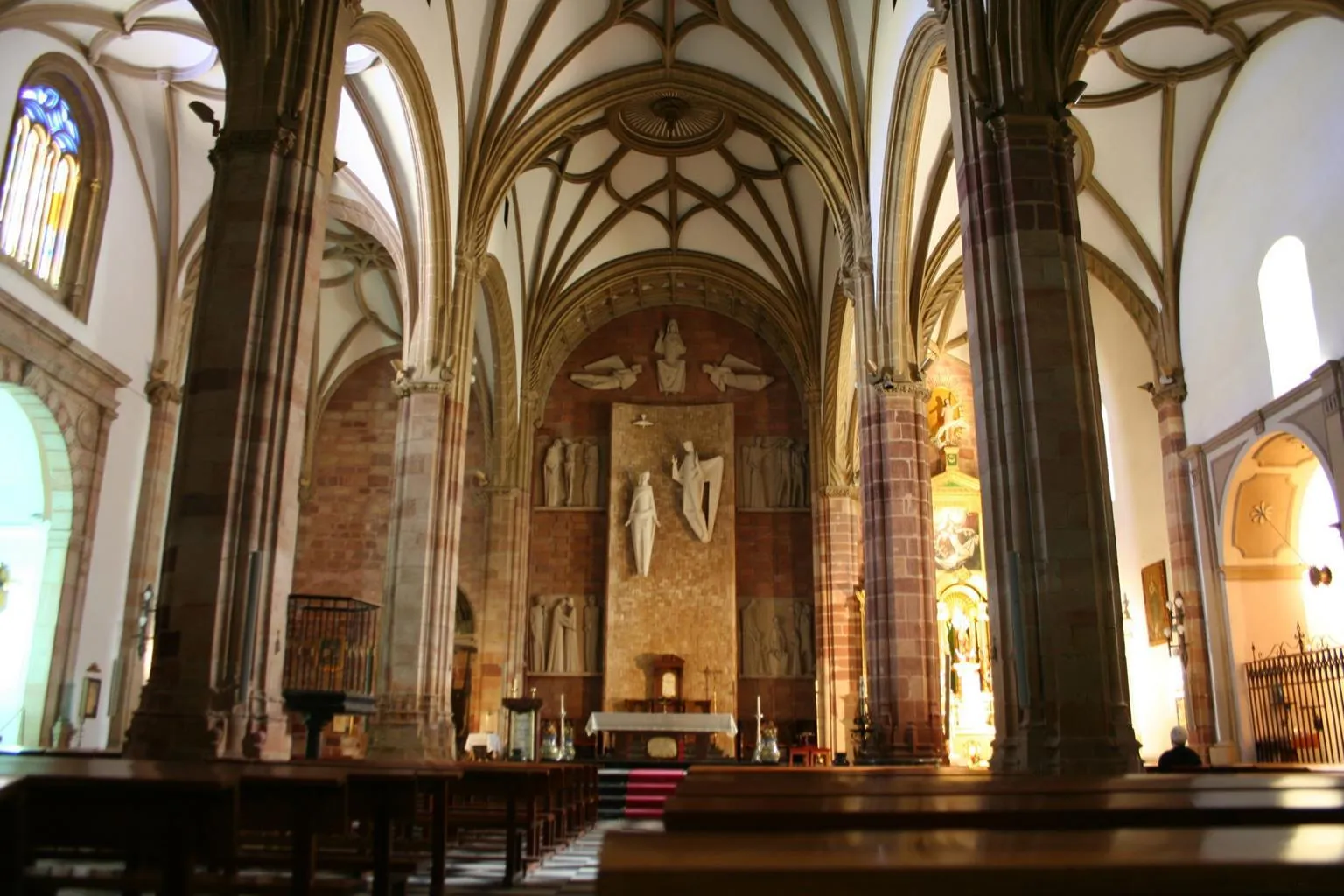
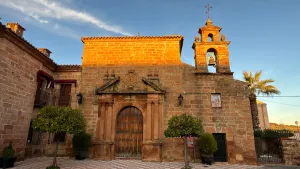
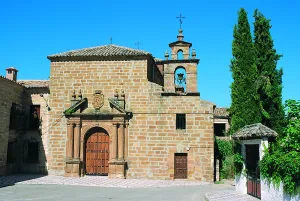
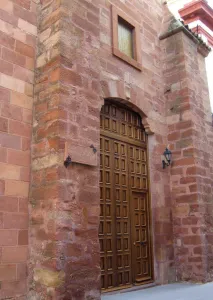
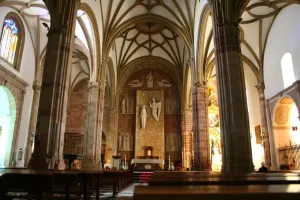
Among its monuments is the church of the Incarnation, built in the 15th century in the Gothic-isabelin style. The hermitage of Our Lady of Solitude (S. XV) and Gothic style are also highlighted; that of Jesus and Christ, both of Baroque style, and that of the Virgin of Zocueca, patron of the city.
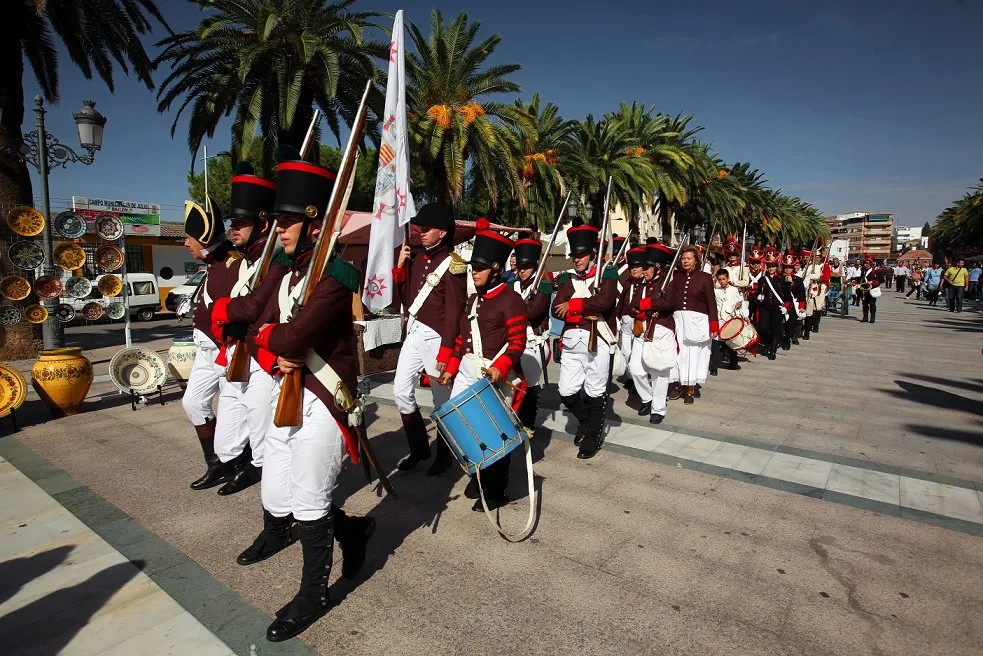
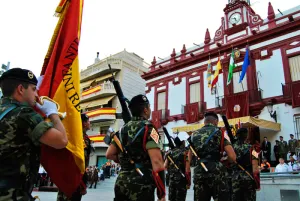
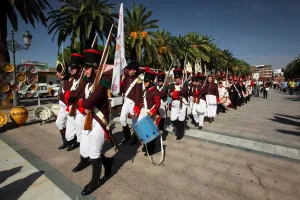
Very interesting are the historical recreations that take place on the occasion of the anniversary of the Battle of Bailén, which was waged in the framework of the Spanish War of Independence and which was the end of the Napoleonic hegemony in Europe.


Is part of


In literature, Benito Pérez Galdós gives the name Bailén to the fourth delivery of the National Episodes.
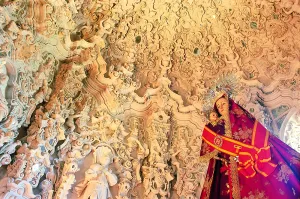
Within the city we must highlight the church of La Encarnación with more than 500 years old. And there are several hermites that are scattered by the municipal term: that of Soledad, which has a shrimp in plaster of Andalusian baroque; that of Jesus Nazarene, of Saint John the Evangelist and of Holy Christ.
The most recent construction is the Parish of San José Obrero, which was raised in the 1960s, and with a low relief on its façade by the sculptor José Antonio Rivas Fernández. Inside, a fresco painting by the famous painter Francisco Baños, representing the desposorios of the Virgin with San José.
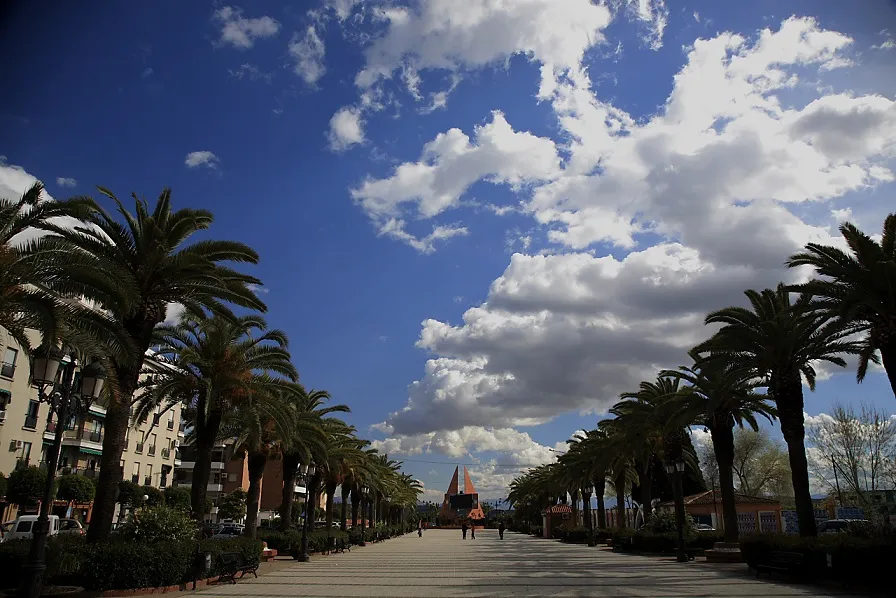
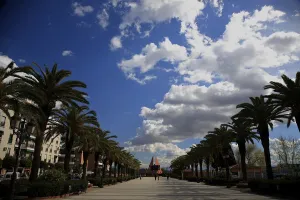
On the walk known as "de las palmeras" we find the memorial of the Battle of Bailén, also by the artist José Antonio Rivas Fernández.
And the visit to the Museum of the Battle of Bailén: a striking building that recreates in plant the weapon leading to the battle: the cannon. Two parallel vaults in the adjacent gardens simulate the ammunition used by this artillery weapon. In its interior, six interconnected rooms show in an amena and didactic way the beginnings, causes and consequences of the War of Independence (1808-1814).
Just 5 km away. of the city of Bailén, is located Burguillo Dehesa, ideal for the use of livestock (oxen and sheep) and the wood, obtained from pruning and used to make charcoal and pigeon for the braziers. This is the place that best reflects the natural characteristics of the area.
The Dehesa de Burguillos, next to the Rumblar River, is an ecological lung for the environment, a leisure space and an exemplary place for environmental education. It is located above the valley, in the foothills of Sierra Morena and very close to the natural park Sierra de Andújar.
It houses a Mediterranean forest in which the oaks, acuches, retamas, jars, and a fantastic riverside forest made up of alarms, willows and strawberries predominate. And in which we can see a varied fauna: nightingale, lavender, martin fisherman, swallows... We can also observe mammals such as the chandelier, the otter, boar, foxes and rabbits. We can also detect the presence of several raptures: leonate vulture, black vulture, real eagle or common mouse.
The presence of round, eroded rocks that are named after "bowling."
El Vivero or Parque de Eduardo Carvajal
This park of extraordinary botanical wealth, popularly known as "El Vivero," is worked between 1893 and 1895, when Mr Eduardo Carvajal would be mayor of Bailén and from whom he has inherited his name.
Inside you will find a wide variety of floral and arborea like the acacia of three thorns, the tree of love, rosals, American cane, cypress, alhelis, cineraria, carraspiques, sage, rosemary...
In addition, Bailén offers different tourists hiking routes in direct contact with nature:
The local parties of Bailén are held from July 17 to 22, the 19th being the commemorative day of the battle of Bailén. The presence of military units in the days of the battle is very prominent and traditional. (especially the Guzmán el Bueno X, in Córdoba).
In October, groups of Historical Recreation from all over Spain move to Bailén to rebuild the battle with uniforms and weapons of the time.
The patron of Bailén is the Virgin of Zocueca on August 5, and the Romeria on the last Sunday of September, when they prosecute the patron to the Shrine of Zocueca, a village within the municipal term of Guarroman.
On May 1, San José, the feast of the neighborhood is celebrated.
The location of Bailén has contributed to the fact that for a long time it has been stopped and fused for all those who were passing through this territory, maintaining up to this day an important host tradition.
In the traditional recipe of the dance cuisine we find the "Guiñapos," also known as "Andrajos," the "Potatoes with Caldo" or the "Popes to the Poor," all made with the oil obtained from the grinding of the olive of the Picual variety, and watered by the wines of this land.
All year round, you can make "tapestry routes" in which to taste, accompanied by a refreshing drink, the well-known "tapas" of each of the bars, taverns and plateaus that are distributed throughout the city.
You can also enjoy a formal meal in the city's restaurants, with traditional cuisine dishes incorporating some of them a current touch.
The final Iberian period belongs to the Battle between the Carthaginians of Asdrúbal and the Romans of Scipion, delivered in 208 a. C. in a place called "Baécula," which some historians have identified with Bailén.
The origin of the present Bailén is in the foundation of the Visigodo Monastery, which according to Rus de la Puerta and Ximena Jurado, would be the origin of the castle, turning the church into a mosque, and attributing its construction to the Omaya period, between 976 and 1002.
After the conquest of Fernando III in 1127, several are the occasions on which their lands are mentioned during the long process of the conquest of this area; thus, in the 12th century, it appears that it was donated in 1156 by Alfonso VII to be repopulated to Abdelazis de Baeza; then in 1157, it is again mentioned as a fortress not far from Baeza, to whose jurisdiction it belonged to the Alphoz of this area, appearing as one of its parishes in the relationship of 1311. Once again it appears when it was besieged in 1172, appearing on both occasions under the name of Baly; in the chronicle of the Conquista by Almería by Alfonso VII it appears under the name of Bealim, so it is likely that close to these two forms is the name used in Arabic.
Alfonso XI sold it in 1349 to Pedro Ponce de León, lord of Marchena, for 140,000 Maravedis. In 1481 it would pass to the Montemayor, and in the 16th century it would be the family to which it will belong until the 19th century.
The main event in his history is the Battle of July 19, 1808the first great defeat in the open field of Napoleon's troops, when the French army of General Dupont faced the Spanish troops of General Castaños. The victory led to a series of honors for Bailén, granting him the Central Supreme Board in 1809 the title "Very Noble and Leal," a distinction that Fernando VII ratified in 1813. In 1850, he received the title "City" by Elizabeth II, providing that all cities with more than 10,000 inhabitants should name "Bailén" as one of its three most important streets. Special mention is worth the Historical recreation of the Battle of Bailénwhich was first held in October 2005, an aperitif and an essay of the great celebration prepared with illusion throughout the town of the Bicentennial of the Battle of 1808.
6
12
19
13