Saltar al contenido principal

Cambil

MUNICIPIOS
  • cambil
  • d33bc3a9-f232-f251-6b78-a6f430dc6292?t=1585576072643
  • 5b0fa44f-ec9b-0367-18d9-37822510cdda?t=1616174025504
  • 2a8a3d78-9893-da68-8d6f-fdfc326f8dfb?t=1585576072117
  • 2805d7be-df5e-d332-82d2-1f61e4807f94?t=1585576070079
  • e29a7b00-d085-f745-8318-b2651f873861?t=1585152488274
  • f5a943c2-8333-043c-1c86-89f0aee44ea5?t=1585576068494
  • fab3b723-93e3-911c-2441-ae7a68e69096?t=1585576068162
  • b02e8f76-d7f5-a19c-4ddb-d3c9b146d21c?t=1603136354445
  • b5660670-8dbf-fba1-e515-08dcc324b28d?t=1603138798603
  • 68856994-720e-0150-e135-2619d62d9167?t=1603139571321
  • cambil
  • d33bc3a9-f232-f251-6b78-a6f430dc6292?t=1585576072643
  • 5b0fa44f-ec9b-0367-18d9-37822510cdda?t=1616174025504
  • 2a8a3d78-9893-da68-8d6f-fdfc326f8dfb?t=1585576072117
  • 2805d7be-df5e-d332-82d2-1f61e4807f94?t=1585576070079
  • e29a7b00-d085-f745-8318-b2651f873861?t=1585152488274
  • f5a943c2-8333-043c-1c86-89f0aee44ea5?t=1585576068494
  • fab3b723-93e3-911c-2441-ae7a68e69096?t=1585576068162
  • b02e8f76-d7f5-a19c-4ddb-d3c9b146d21c?t=1603136354445
  • b5660670-8dbf-fba1-e515-08dcc324b28d?t=1603138798603
  • 68856994-720e-0150-e135-2619d62d9167?t=1603139571321

Description

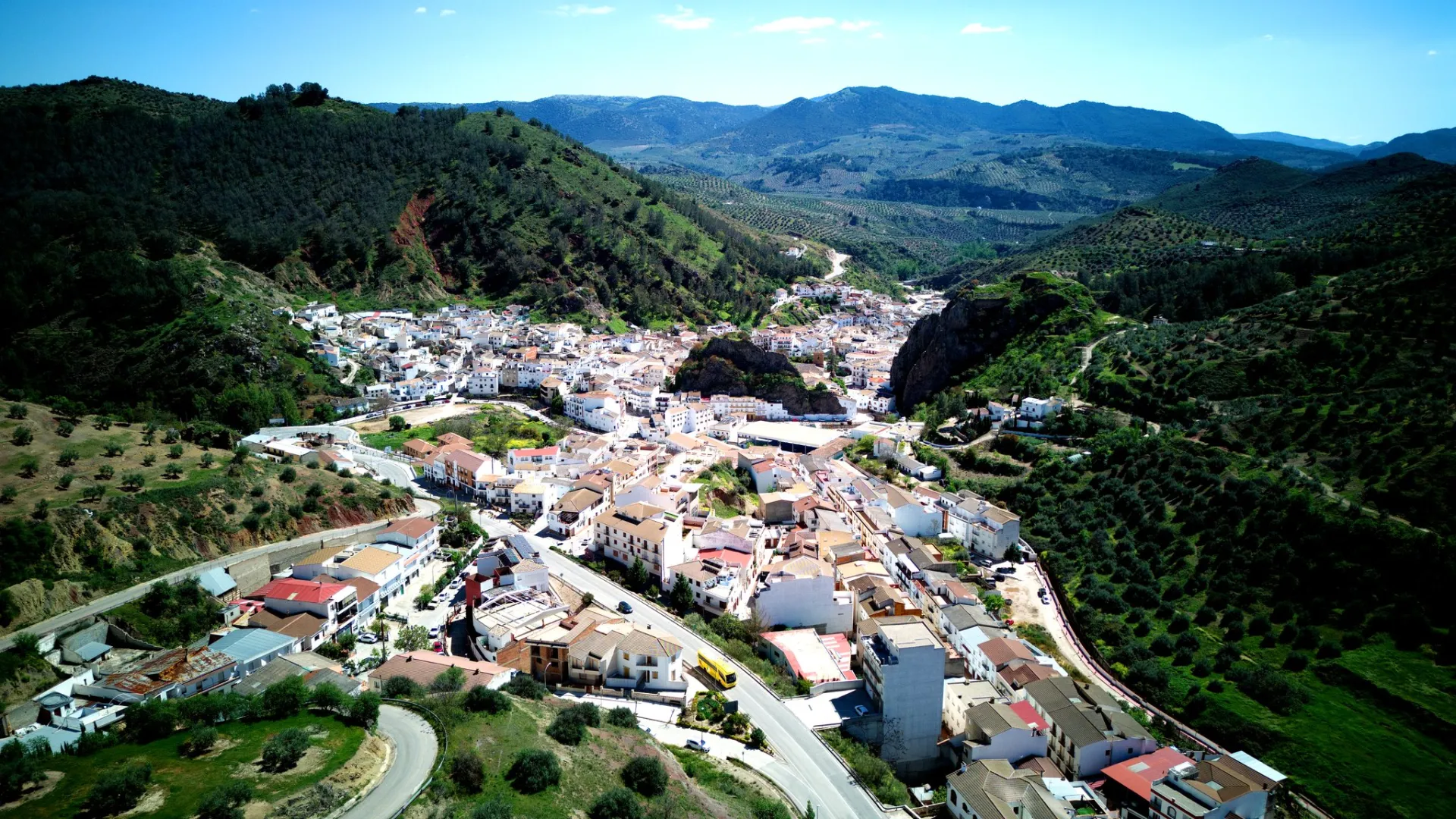
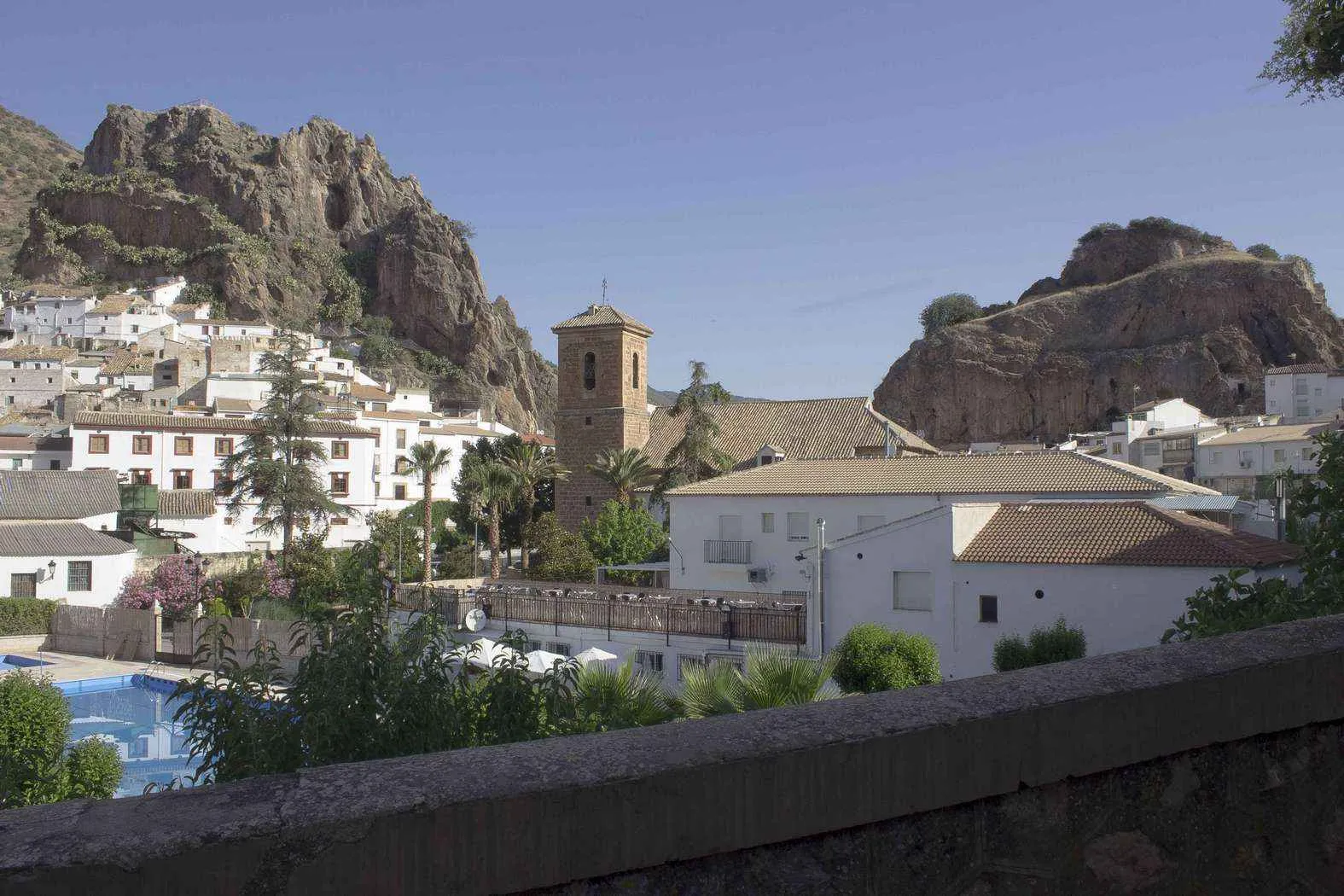
Cambil is a municipality located in the south of the province of Jaén and integrated into the Sierra Mágina region. Its municipal term ascends from the Guadalullon River to the south, to the summit of Mount Almadén, the second highest peak of the province. Regored by the rivers Villanueva, Oviedo and Cambil, between fields of cereals, olive trees and fruit.

It is of great interest that the population centres in its term, such as the village of Arbuniel, with a great wealth of water and good weather in summer, make it an ideal place to spend the summer months; or the corrijada of Matabejid, highlighted by the peculiar historical architecture of its constructions.

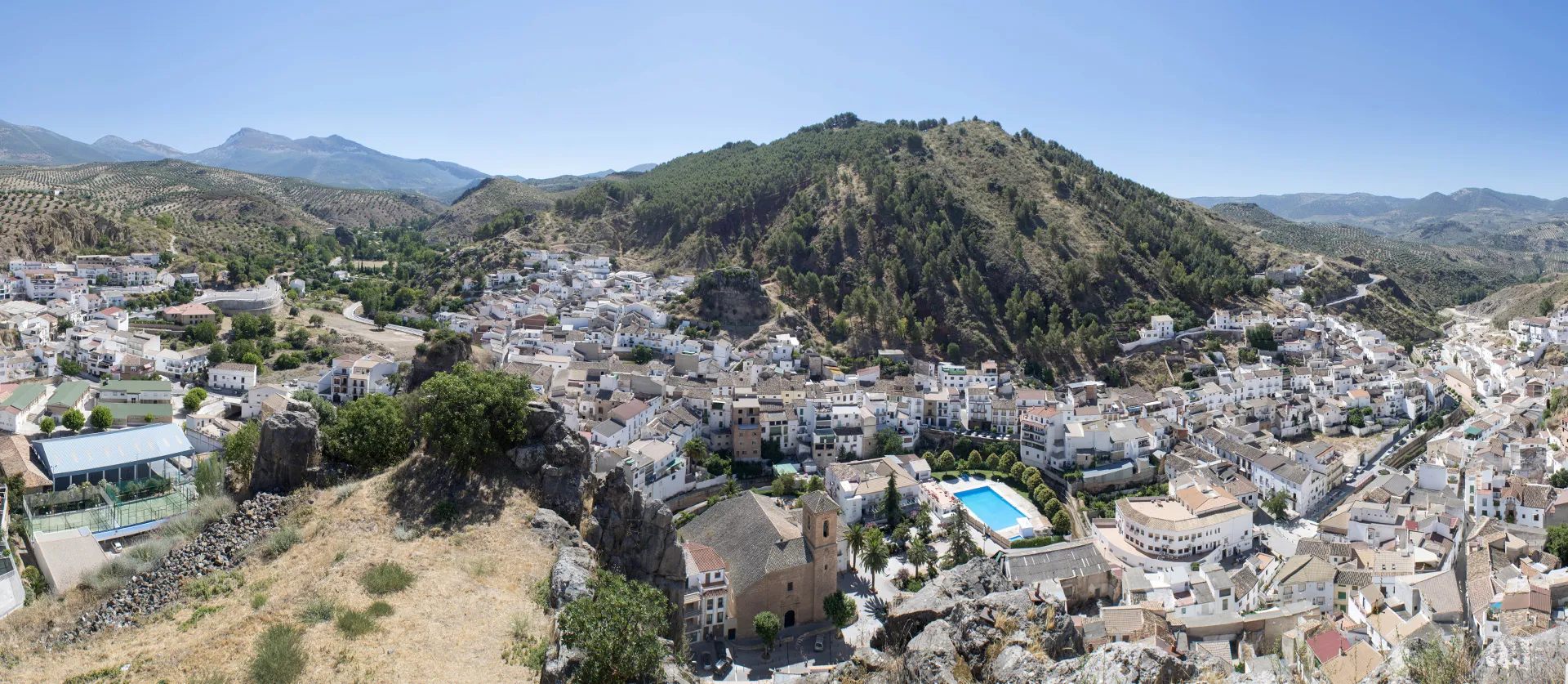
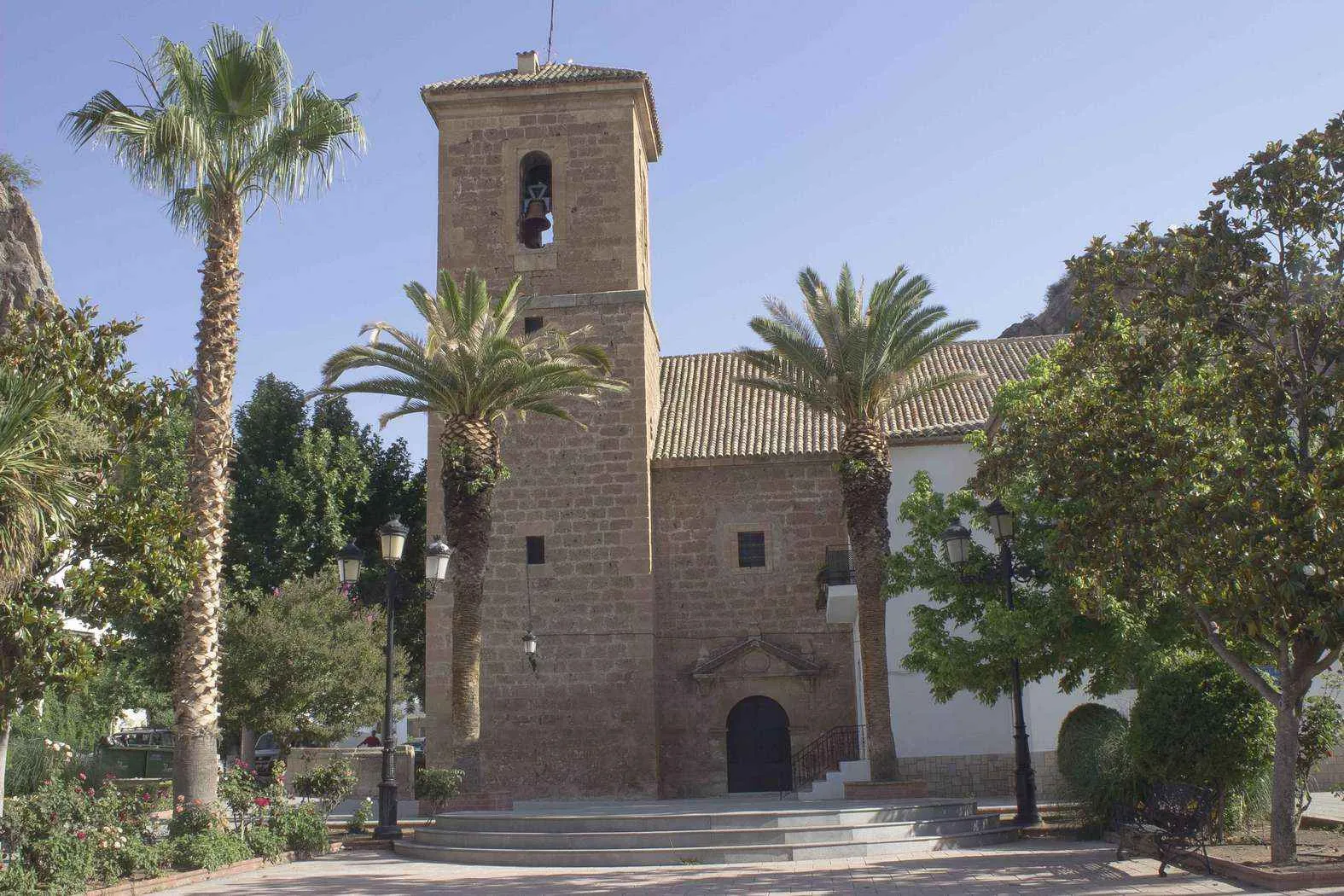
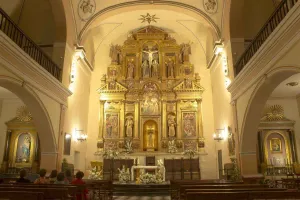
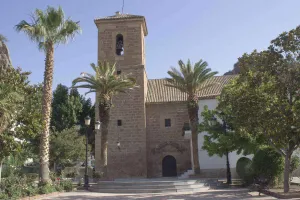
From the artistic heritage of Cambil, the church of Our Lady of the Incarnation, from the end of the XVI, built in the Renaissance style, stands out. He keeps an extraordinary Renaissance altarpiece from Sebastián Solís.

And also, the Old Hospital, raised in the second half of the 18th century and which is one of the most baroque examples of the province of Jaén.

    Useful Information

    Tourist area: Sierra Magina
    Distance to the capital (km): 32
    Altitude over sea level (m): 822
    Extension (Km2): 140
    No. of inhabitants 2,703
    Genuine:
    Postal code: 23120

    Is part of

    AUDIOVISUAL CONTENT

    MORE INFORMATION

    Culture

    From the artistic heritage of Cambil we highlight the following points of interest:

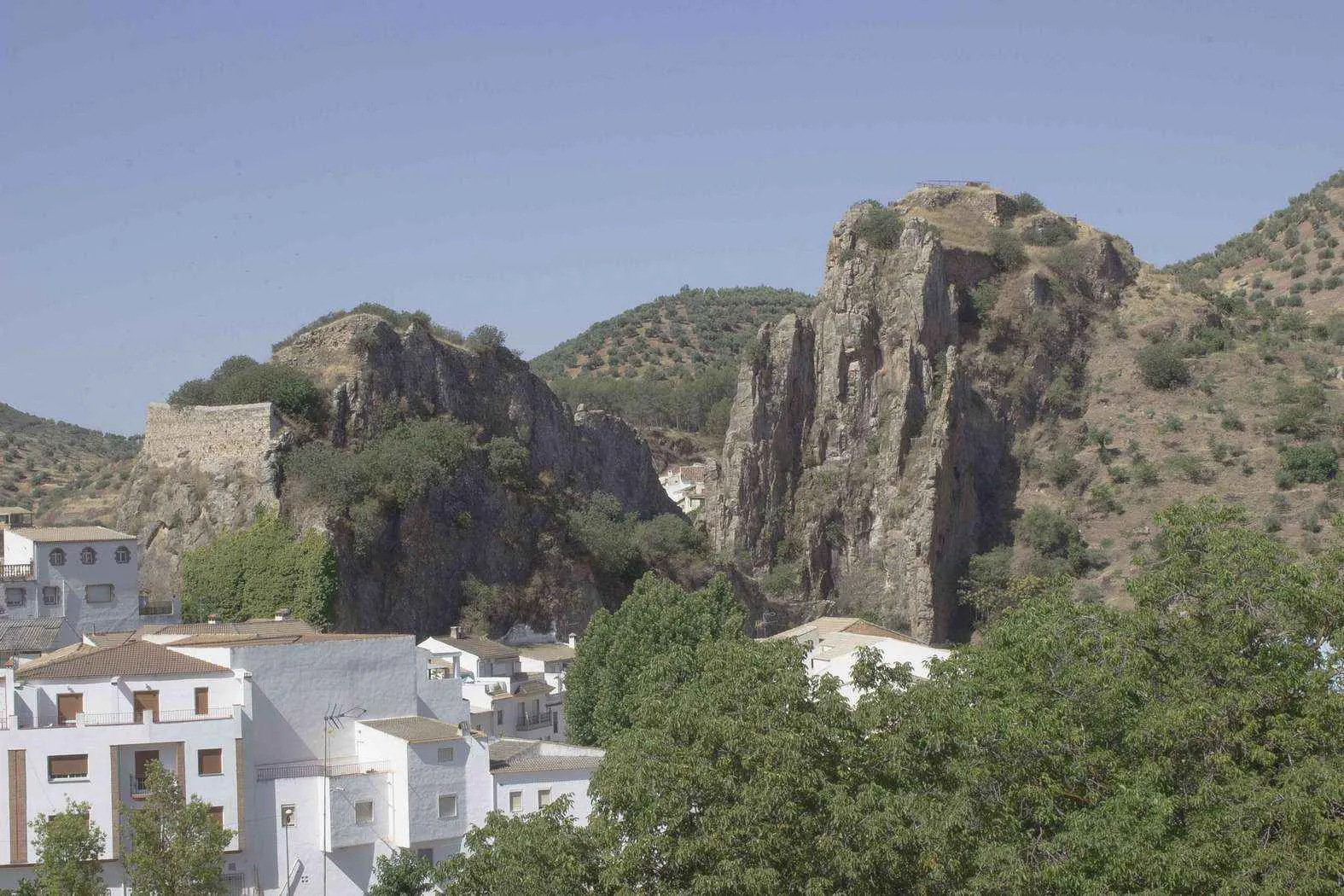
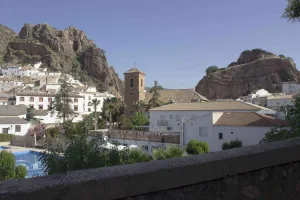
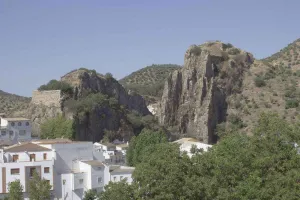
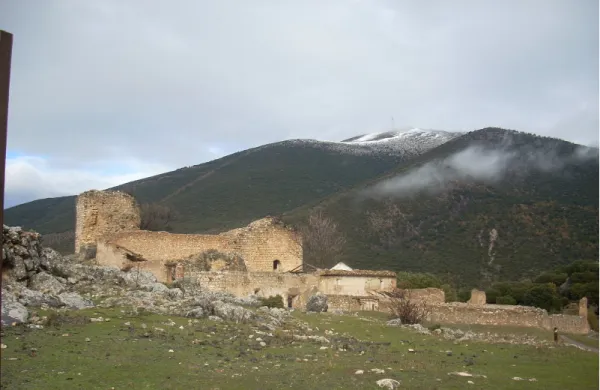
    • Castles of Cambil and Alhabar. The castle of Cambil It is located on the left bank of the Camil River and above a high rock flask, with a wall that falls vertical on the channel. The castle of Alhabar is located on the right bank of the same river, on another rocky flask and in front of the castle of Cambil. Both castles were declared "Good of Cultural Interest" in 1985.
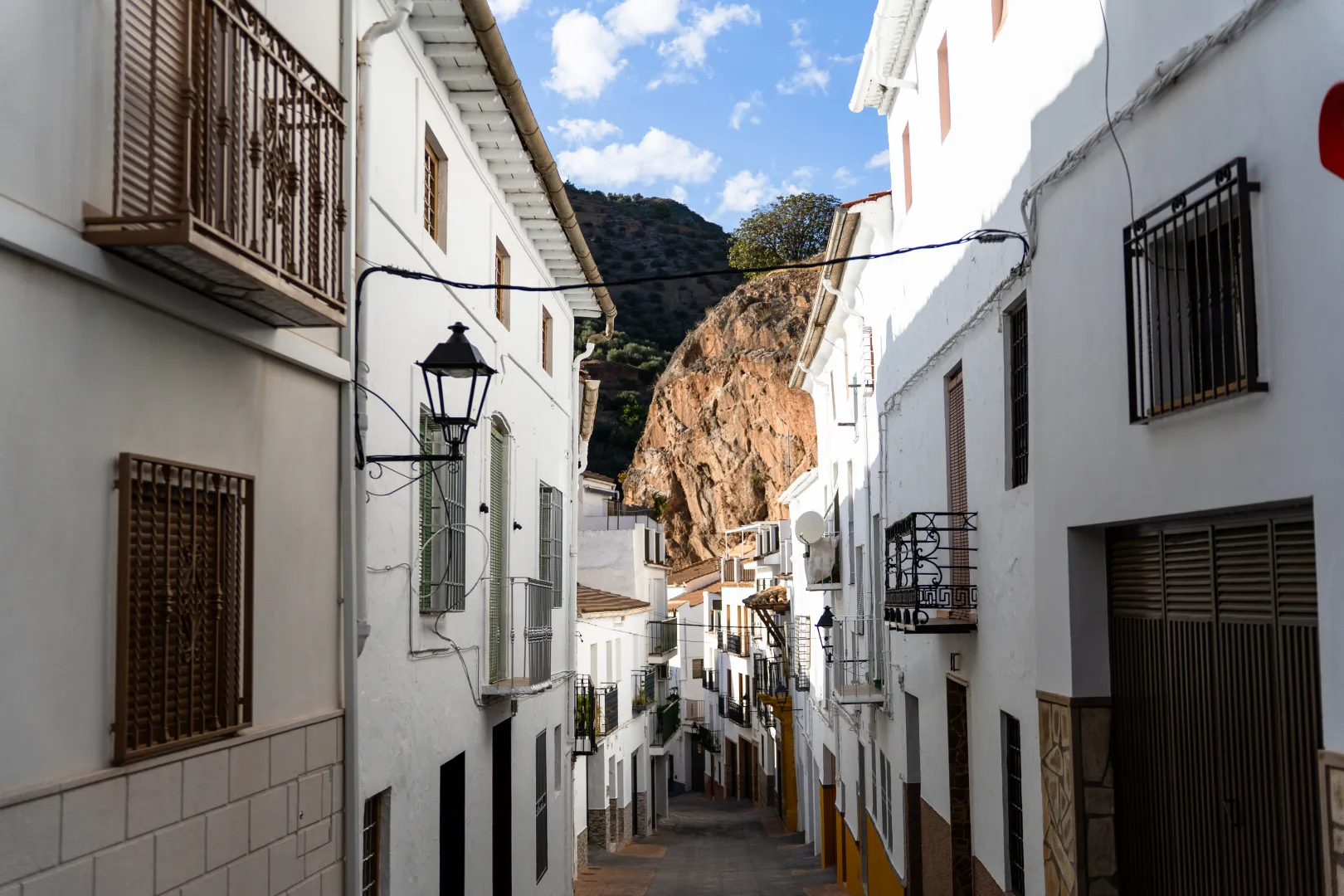
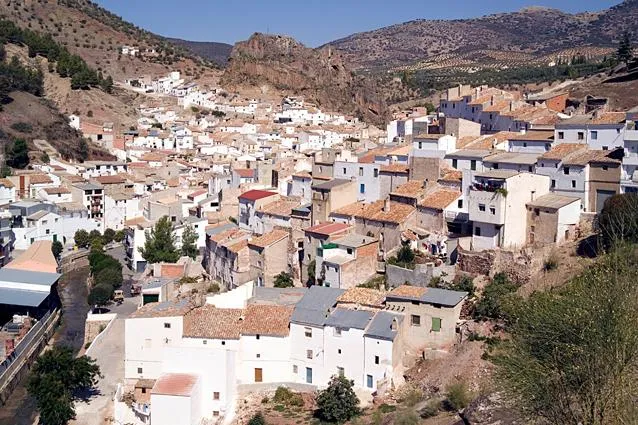
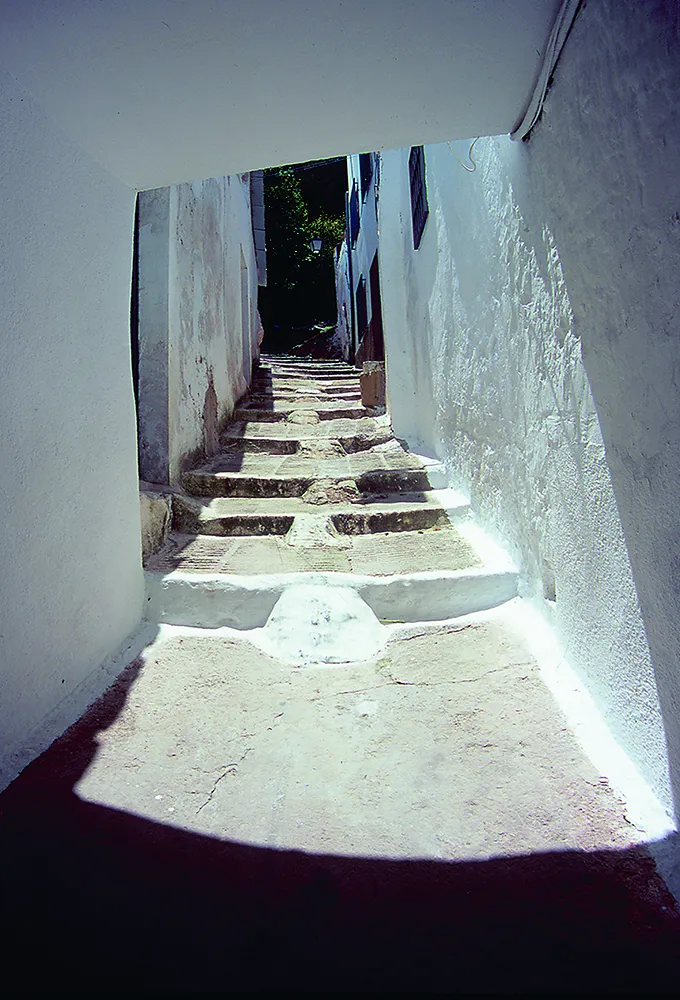
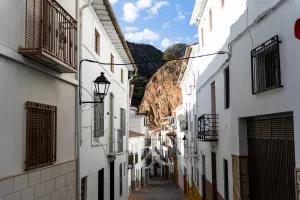
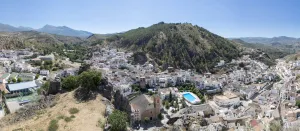
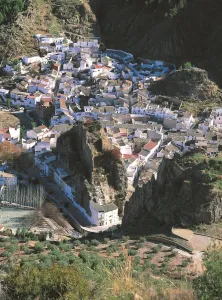
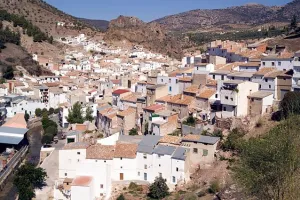
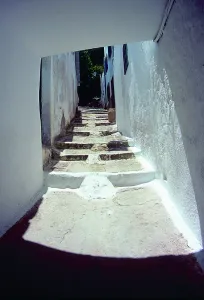
    • Historical helmet, declared Good of Cultural Interest in 2012: located at the foot of two hills crowned by the castles of Cambil and Alhabar, crossed by the River Cambil, and around a historic road: that of Arbuniel. The image that characterizes its historical ensemble is generated by a set of crouched buildings with steep roofs of Arab tile, solarium houses in the lower area, and narrow and winding streets with straps and adarves in the upper parts.
    • Castle of Mata Bejidit is located between the mountains of Magina and Almadén, it seems to be of Christian construction from the early 14th century. Its function is essentially strategic and, by its size, it had the capacity to accommodate a small garrison. Also declared Good of Cultural Interest in 1985.
    • Our Lady of the Incarnation Parish Churchbuilt in the late 16th century, the exterior is sober and compact. Already inside, the main altar has an extraordinary Baroque altarpiece attributed to Sebastian de Solís.
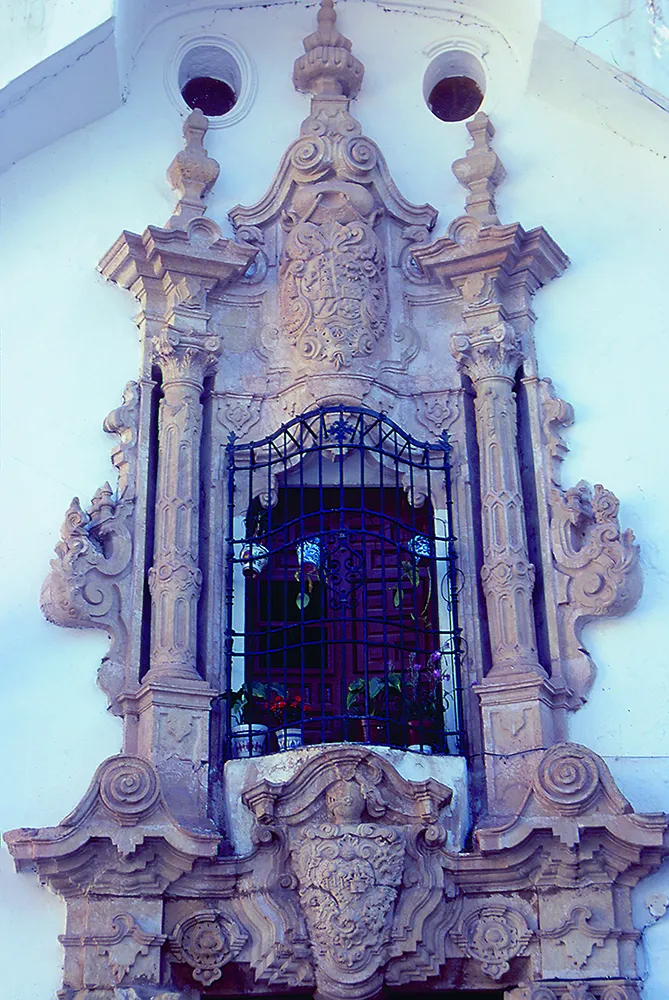
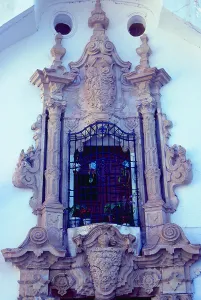
    • Old Hospital of Poor Passengers, raised in the second half of the XVIII and on whose facade the exuberance of the baroque is noticed, being considered one of the most baroque monuments of the province.
    • Single houses: House of the Salazares and House of the Palace in Calle Real, both of them also show baroque facades of the 18th century.
    • Prehistoric reptile tracks, just a mile from Cambil, we found a trace of eight traces of the arcosaur reptile. Several of them are currently in a ballot box inside the conistory building.

    Nature

    Change is the municipality that brings the most area to the Natural Park of Sierra Mágina, 25% of its territory is within it.

    The municipal term extends all the west side from the Guadabullón River until Almadén peak, with an altitude of 2,036 m, in Sierra Magina. For this reason we will find a great variety of both fauna and flora.

    At the same time, this variety at the altitude of the land will allow us to have places from which we can observe extraordinary panoramic views, both of the Jiennense countryside and of the fertile valleys that form the basins of the numerous river courses that travel these slopes.

    The paths and recreational areas that spatter the territory show the diversity and natural wealth of these lands; among the most interesting are: water route and olive groves, Torrecilla route, the Salt Arroyo or the birth of the Arbuniel River, without forgetting the environment of the gradual birth of the Mata in Mata Bejid. In fact, in its term is one of the two Visitors' Centres of the Natural Park of Sierra Magina, the C. Visitors of Mata Bejidfrom which several signposted paths are based: Up to the Pico Magina and Miramundos, El Peralejo, Puerto de la Mata and Sendero Gibralberca.

    To go through these places is to feel nature in its greatest splendor: thus we will find numerous sources, acequias, charcas, river births that go down the slopes to meet the Oviedo and Villanueva rivers. Also with remains of construction related to agricultural uses and old livestock.

    In addition, climbing routes are availablein the same centre of Cambil; thus, in the rock Castillo there are 7 perfectly equipped ways.

    The vegetation is very varied and we will find oaks, complaints, olive trees, cornicabra, alamos, etc. with examples of considerable bearing the Chopos of Mata Bejid,which exceed 30 m in height and 7.5 m in diameter.

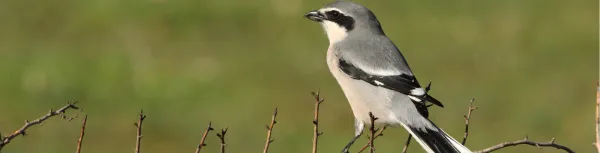
    Something similar can be said of the fauna of the area, because here we can find ourselves: the Hispanic goat, the badger, the boar, the gin, the grubby... while it will be very easy to observe the majestic flight of the royal eagle or other rapes.

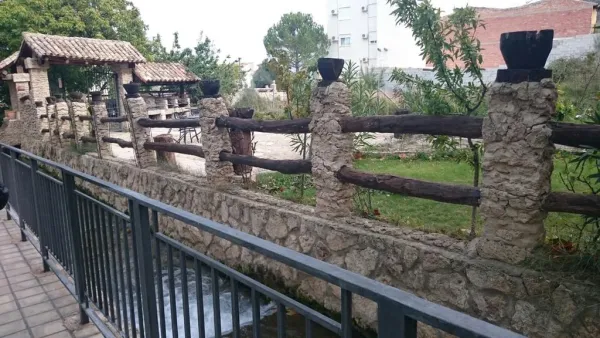
    But if there's an identifier of your territory, it's water. Ríos, springs, acequias, fountains, etc., model the area of the valley, both in the same town of Cambil, vertebrated by the river, and in Arbuniel, where the sound of the water as a background soundtrack accompanies the visitor from Birth to the very streets of its urban town, on a spicy tour of acequias, light factories, mills, laundry, etc.

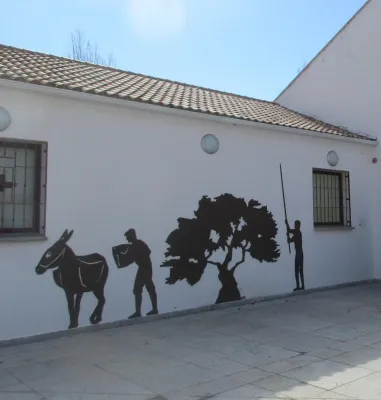
    These heritage elements linked to water, and those that have remained the fruit of past agricultural and livestock activities, give the natural environment of Cambio a predominant ethnographic and landscape character.

    Parties and Events

    Among the parties with the most roots and tradition are:

    • San Antón, San Sebastián, Candelaria and San Blas. On January 17, the feast of San Antón, is blessed to the animals and become "lumbres," which is extended until the 20th of the same month, the day of San Sebastián, with the procession of the saint and the lumbres are repeated. In the Candelaria, on February 2, the fire returned to the village square made with the branches that carry the bakers. And on February 3, in San Blas, doughnuts are blessed and "lumbres" return.
    • Patrons of the Holy Christ of the Marble. It is celebrated the last weekend of February, when the canvas containing the image of Christ is taken to its hermitage, where it will be veiled all night, as it happened in the legend around the image. The next day, Sunday, the image returns to the parish.
    • Patrons of the Blessed Virgin of the Rosarywhich took place on 15 August, since its original celebration was moved in October. This very day a cattle fair is held.
    • St. Anne's Day. "Cultural Week":The holiday of Santa Ana is celebrated on July 23, and a cultural week begins in which the City Council has a large number of sports and play activities.
    • Tambora, a feast that has been held since time immemorial on the day of the Immaculate Conception. On the night of the 7th, a drum is used to carry out the prayer, hence the name of the holiday. The image of the Virgin is processed at 24, 4 and 6 hours in the morning, accompanying the songs with a sound drum.
    • Holy Week.With the arrival of Easter, a period of religious and customary acts that make the people full of incense begin in Cambil.
    • "Historical Recreation" Day in Arbuniel: In August, the neighbors starred in a tour of the different historical stages of the town.
    • Top Trail Magina, a mountain race born in Cambil and ascends to the highest peaks of Jaén. It's quite a reference for the most demanding athletes.
    • Magina Bike, in March, andSan Blas Urban Challenge.

    Gastronomy

    In the gastronomy of Cambil, three elements are common: olive oil, present in all its dishes, which most of the ingredients are from its own harvest or from the rivers and mountains of its surroundings, and which are usually dishes with quite a caloric contribution, as the works in the field consume a lot of energy.

    • Carnerete, is a dish with a lot of energy, as it has a pancake, chorizo, morcilla, fried tomato and meat broth.
    • Almorony, a potation of beans to which various vegetables are added.
    • Brown beans with chorizo.
    • Cod.
    • Crab from the Arbuniel River in salsa.
    • CigaretteThis vegetable is added to the chorizo.
    • Migas.
    • Migas of flour.
    • Cake cakes.

    In the pastry shop they highlight:

    • Sweet peas, are made with milk, flour and chickenpox above.
    • Aguacebámade of water, barley, hazelnut, cinnamon, vanilla and sugar.
    • Guides in spirits.

    History

    The oldest testimonies of the territory of Cambil are located in the tunnel of Saint Lucia, where they were found Bronze Age burial (II millennium BC)

    From the year 182 to. C. The romanization of this region begins. They've been found. sarcophages, remains of columns and capitals in Arbuniel.

    The core of Cambil takes on importance from Islamic domination and is already cited in the 12th century (Qanbil). It was divided into two small villages separated by the river and protected by two small castles to ensure its defence.

    The town will be definitely taken from the Nazarian Kingdom in the year 1485 by the Catholic Kings, with the help of six thousand men who arrived from Jaén and the first use of artillery. In thanks to this help, the Catholic Kings determined that Camil would become part of the Jaén Council.

    He will be King Philip II, in 1558who emancipates Cambil from the tutelage of Jaen and orders that the lands of Arbuniel be added.

    In 1676 the segregation of Cambil of the population of Carchelejo including Carchel and Cazalla (today, Cárcheles).

    And it will be in 1862 when it is incorporated to Change the territory of Mata Bejid, which until then had been under Jaén's jurisdiction.

    Already in the 20th century, with the proclamation of the 2nd Republic and the beginning of the Civil War, Cambil is occupied by the Republican side, being bombed by Jaén and its surroundings by the "Legion Condor."

    In the 1960s, Cambil, like the other populations of Sierra Mágina, suffered from emigration from many of its people to the industrial centres and large cities of Spain and Central Europe.

    In this municipality

    16

    Accommodations

    3

    Restaurants

    3

    Services

    5

    Events

    We recommend