Turismo Activo Orellana Perdiz
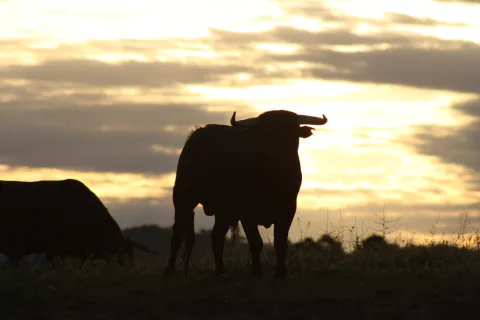
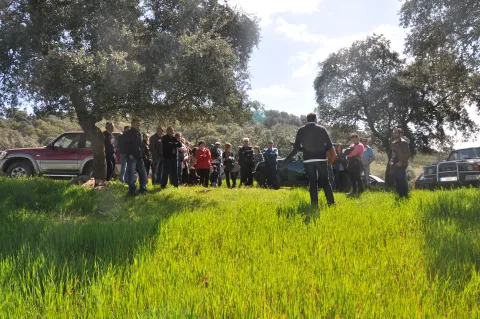
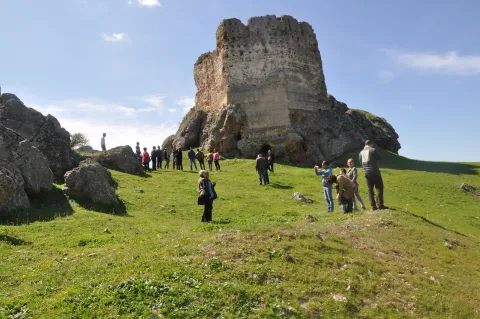
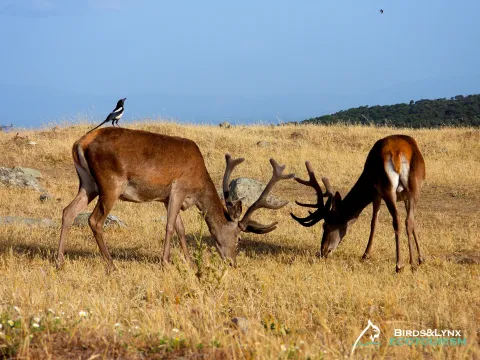
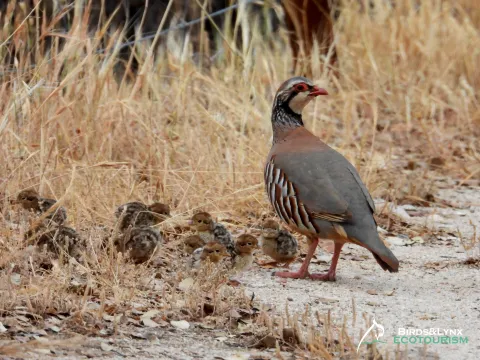
To the north of the province of Jaén, in Andalusia, at its pass through the motorway A-4 E5 km. 265, finished from La Carolina, on a farm where the ruins of the Castle are found that named the Battle of the Saves of Tolosa 1.212, in Sierra Morena, where the queen of the minor hunt is the Perdiz and the major hunt the deer and the Jabali. Dedicated to the business of the restoration from the beginning, along with other activities such as the hotel, the livestock of the bulls, the major hunting ground, excursions 4x4, flamenco shows and crops dedicated to the production of virgin olive oil. They offer service of restoration, capeas, tientes, flamenco shows, excursions 4x4 and visit to cattle.
In 1948, in a small sale, the first Orellana- La Casa de la Perdiz, (shortly after known by its customers as Orellana Perdiz), was opened by Vicente Orellana and his little son Andrés, his wife Maria took care of the kitchen, providing those recipes that her mother and grandmother had taught her from the manchegan lands, paradise of the great perdiz heights. Transforming and preserving these traditional dishes of bourgeois cuisine in the specialties we know today.
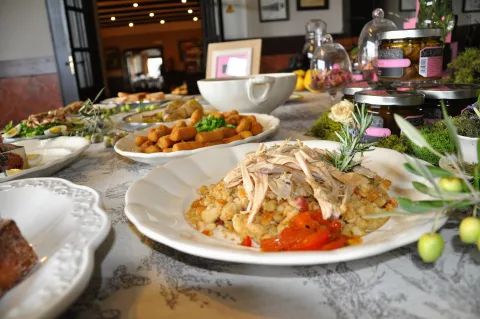
After more than half a century of being pioneers in the production and dissemination of the hunting cuisine, in fact in June 1974, we represented Jaén at the "I Contest National Exhibition of Gastronomy of Zaragoza," exhibiting such consolidated dishes in our house, such as the Perdiz in Escabeche, Perdiz Estofada, the Perdiz Encebollada and our Pate of Perdiz OP, today we continue to bet on these traditions.
From a long time ago,the illusionof Andrés and Agustina, his wife, was to make a craft industry where our products were made, but we were focused on other activities and it was delayed over and over again. The next generation we decided to make reality thisillusionand to comply withdesireof many of our customers who demanded our products in their areas of origin.
Orellana Perdiz has been defending the culinary traditions of her ancestors for more than three generations, a heritage to which only certain family members have access, a whole family event being the transfer of that culinary legacy from one generation to another.