

Guidance period
The birth of the princes and the invention of the oppid
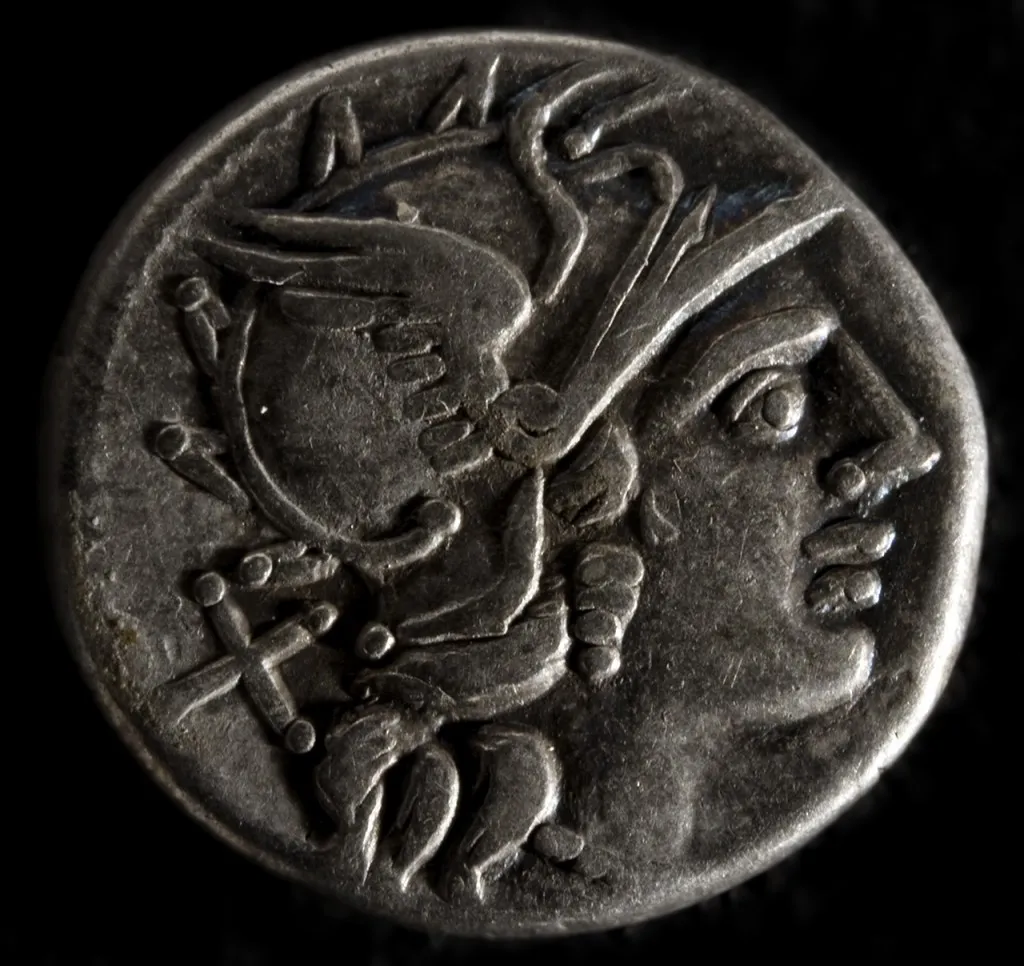
The year 208 BC will mark an important milestone in our territory, with the victory of Scipion in the battle of Baecula. The last stage of the periodization of the history of the Iberians under the rule of Rome is opened, which will last until the disappearance of the Iberian culture as a recognizable entity, which will become evident at the beginning of the 1st century. A long period begins when many oppidos disappear and others become Roman cities with new economic strategies and new municipal political models. The Ibero-Roman city of Catulo in Linares is one of the best archaeological sites to understand this last stage of the Ibero-Roman culture.
The heroization of the princes
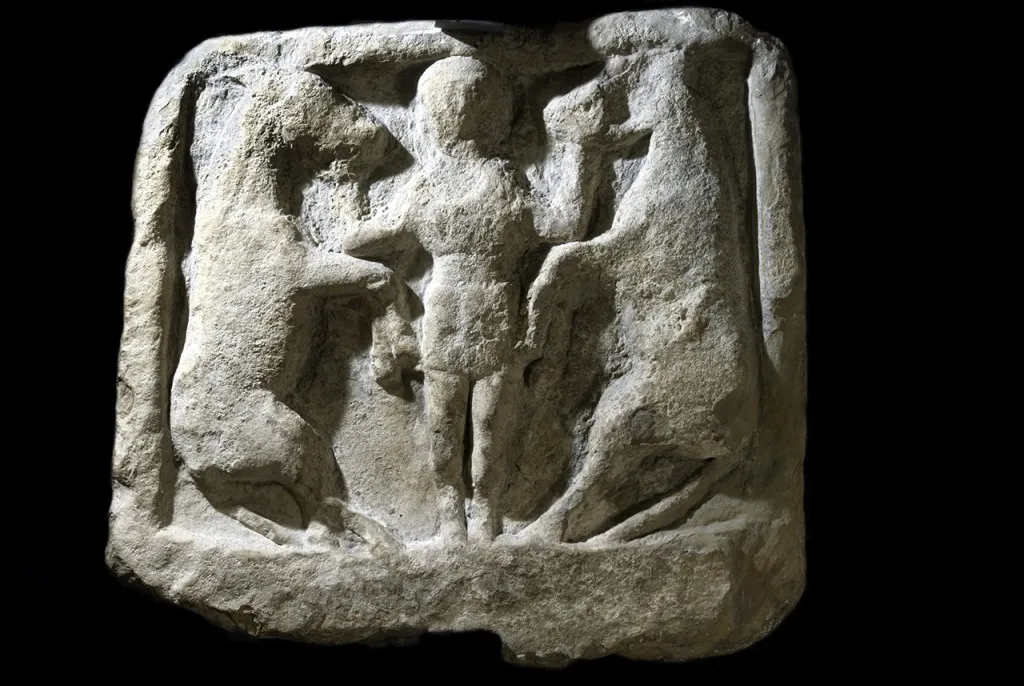
The heroization of the princes and the concentration of the population in the oppidum
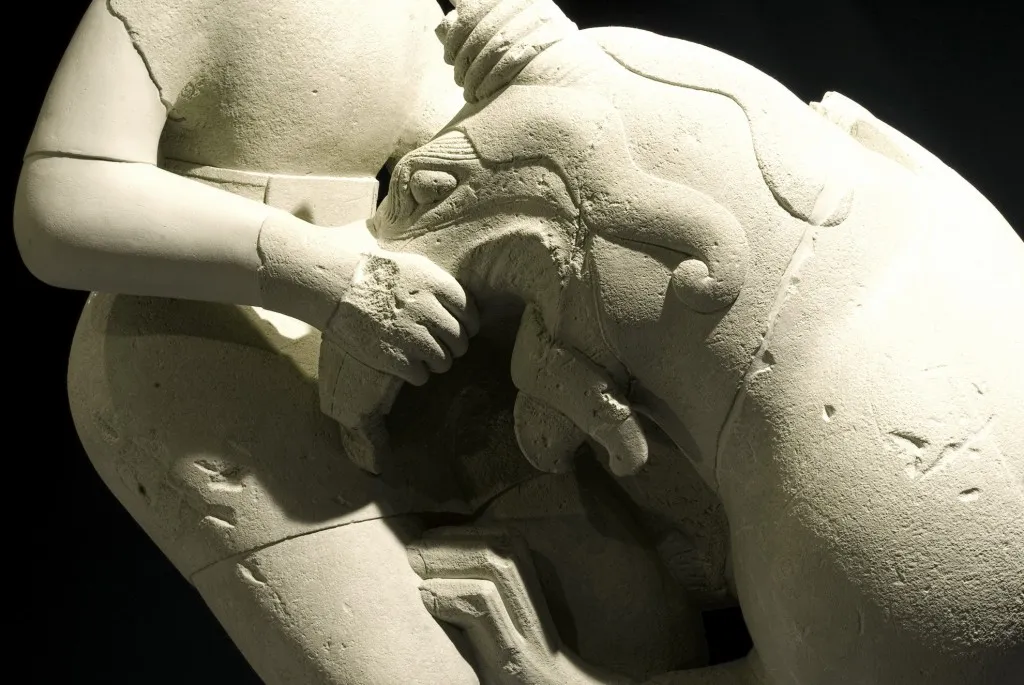
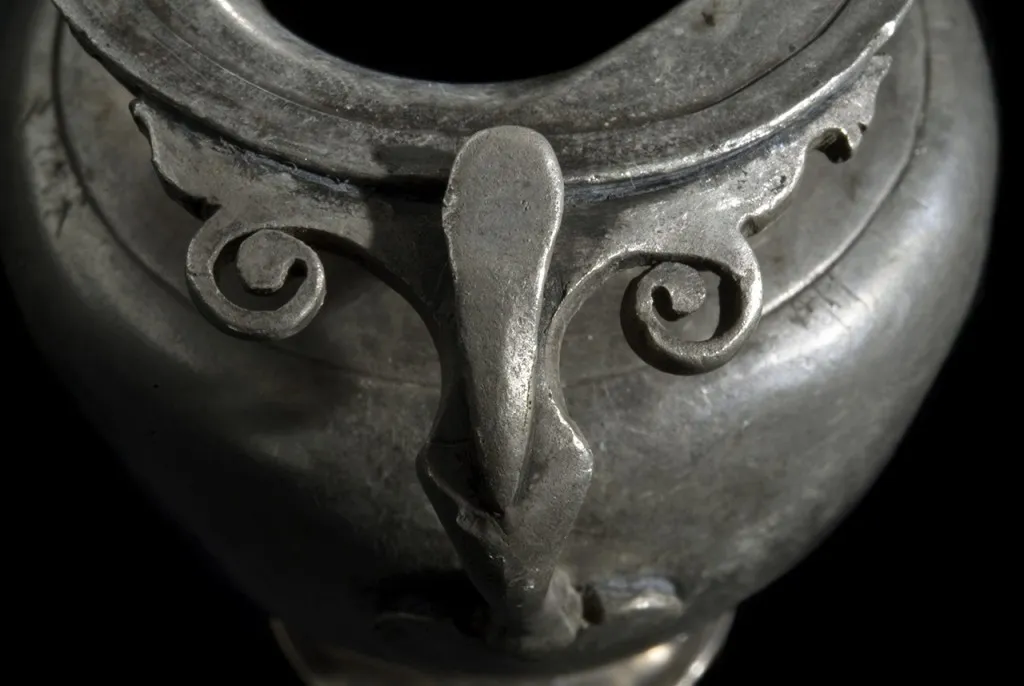
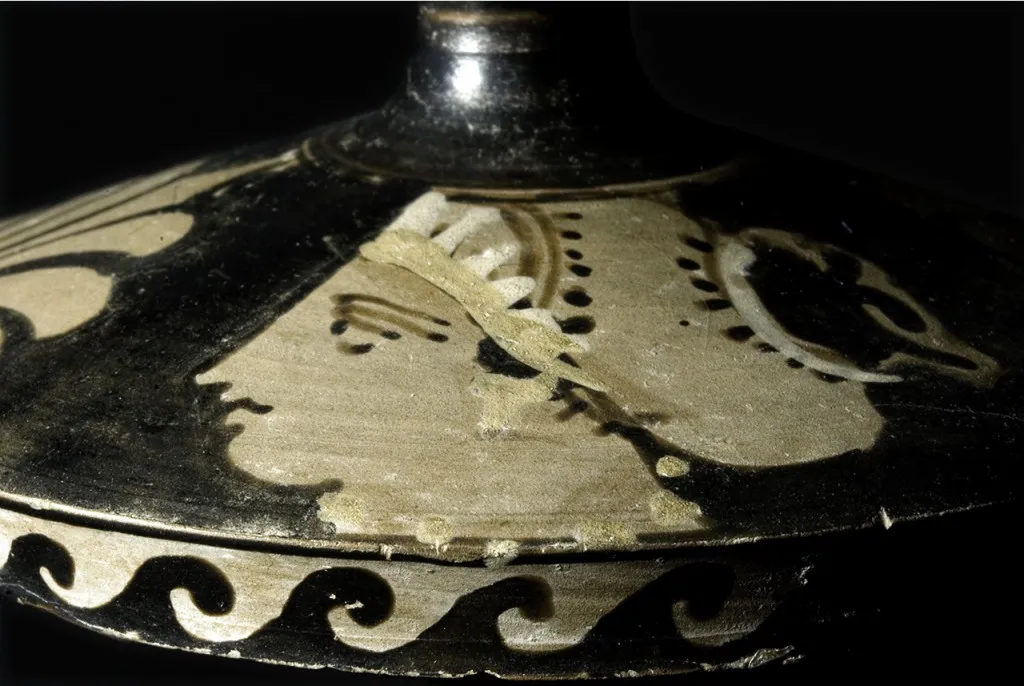
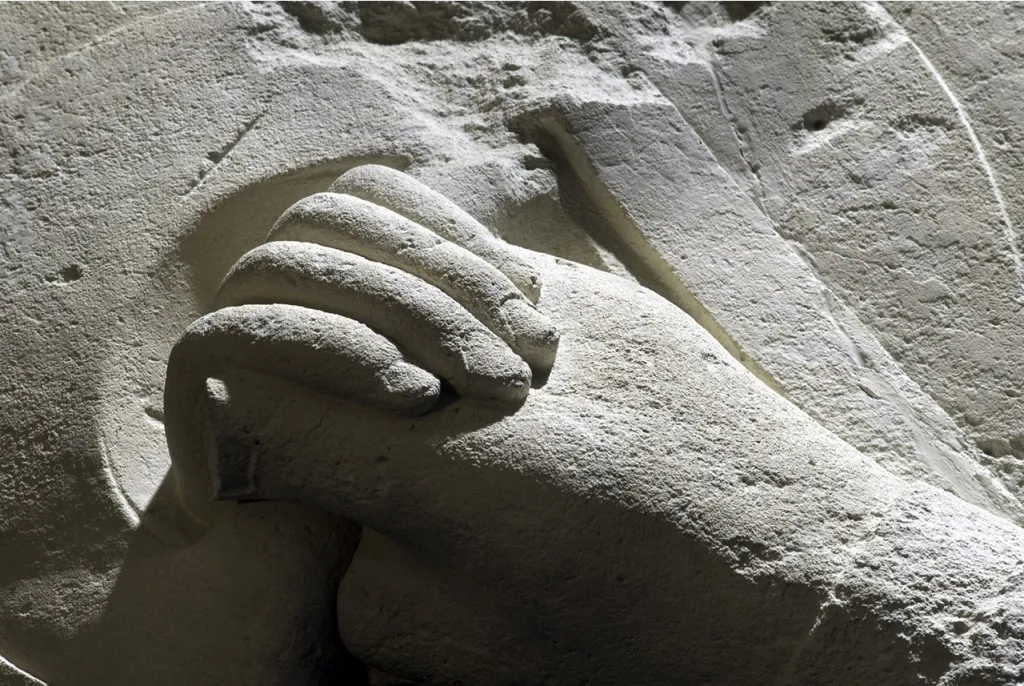
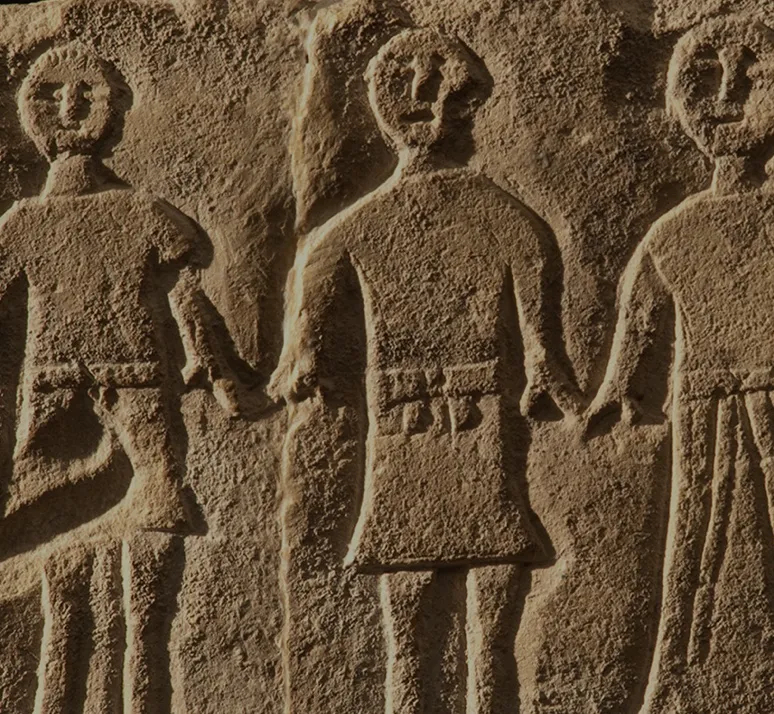
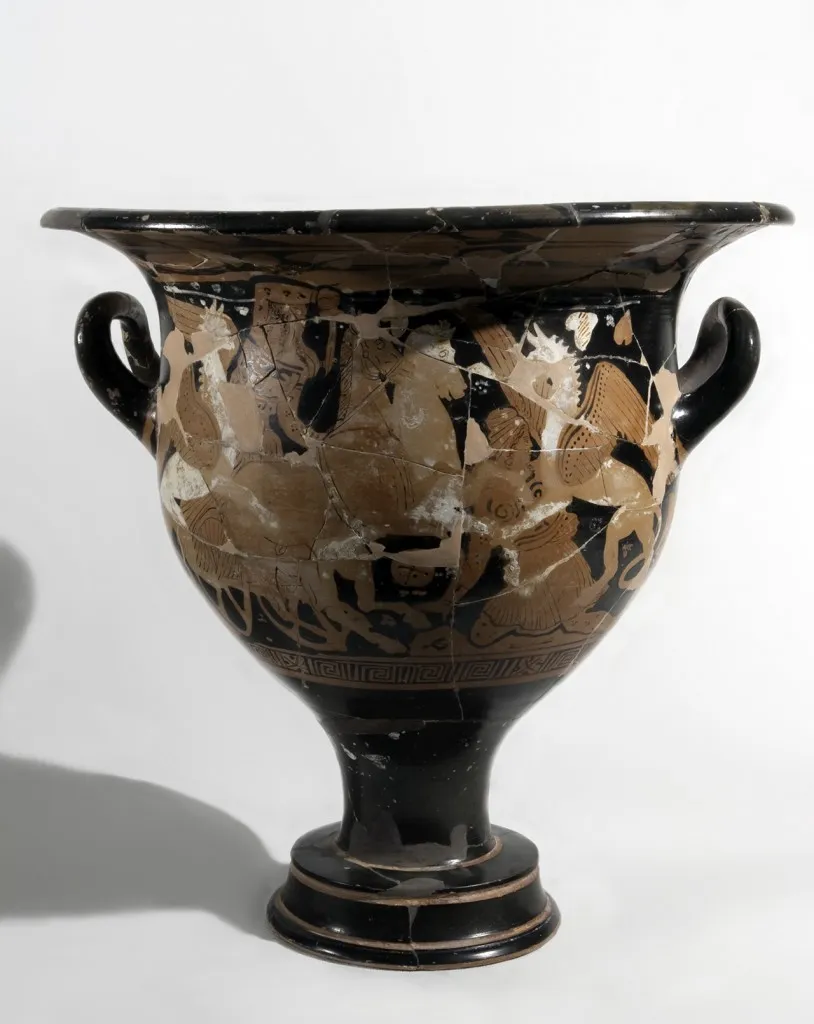
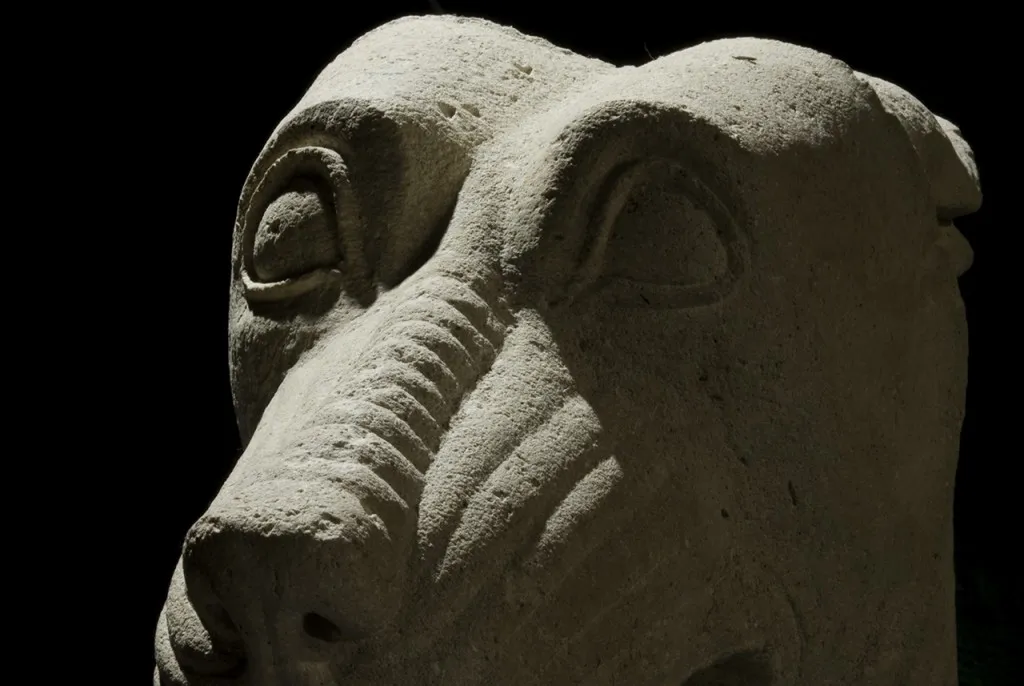
In this second stage defined from the beginning of the 5th century BC until the end of the 4th century BC, the oppid became the political unity of the lineage of each prince identifying their people by belonging to the oppidum and not to a people. The power of the prince is finally consolidated and the oppid identify them as the great unit of residence. These events coincided with a new ideology that forgot the old models of guiding power in pursuit of the development of heroic forms of power. The Prince showed his strength more for the recognition of those who supported him - customers, craftsmen,... - that of his sacred origin and did so by representing himself in sculptures with all his power. This social scheme has been very evident in cemeteries where the princes bury themselves with their families and their clients in an orderly manner, and show in their funeral ajuares luxury items, like the great Greek vessels. To ensure their power they also offer their customers some of these objects such as Greek cups or weapons, as is seen in cases such as Toya in Peal de Becerro or Castellanes de Ceal in Hinojares.
Political territories
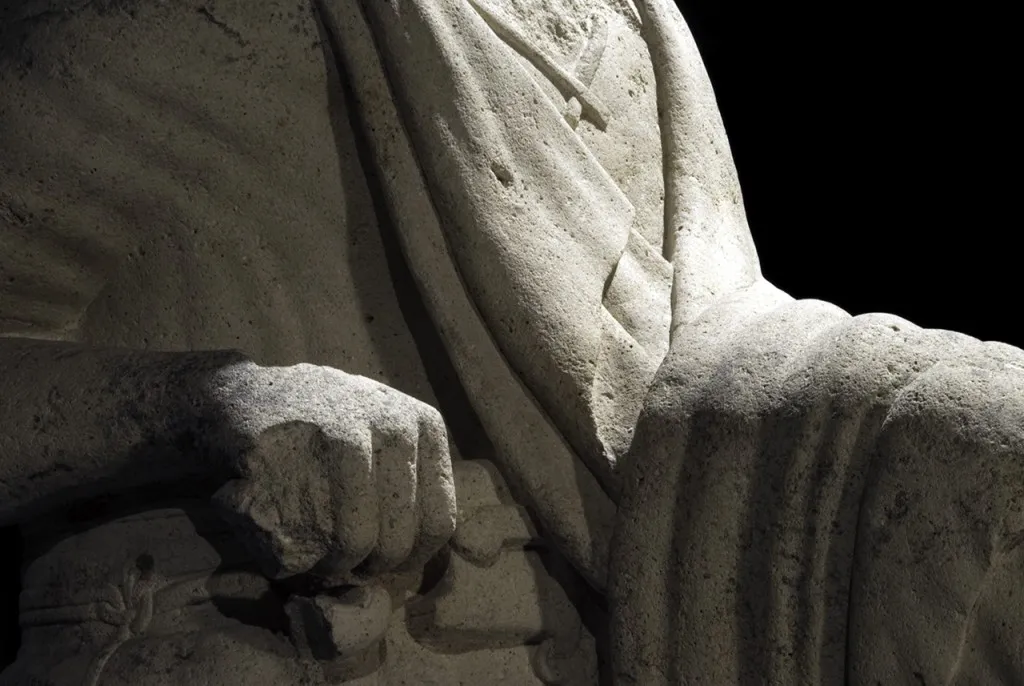
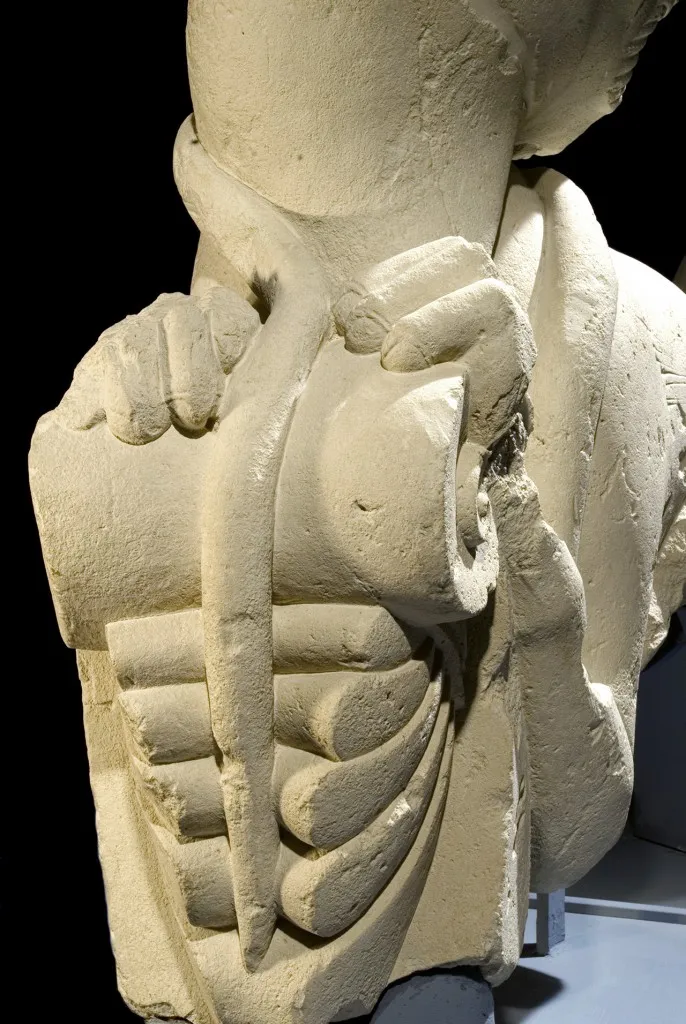
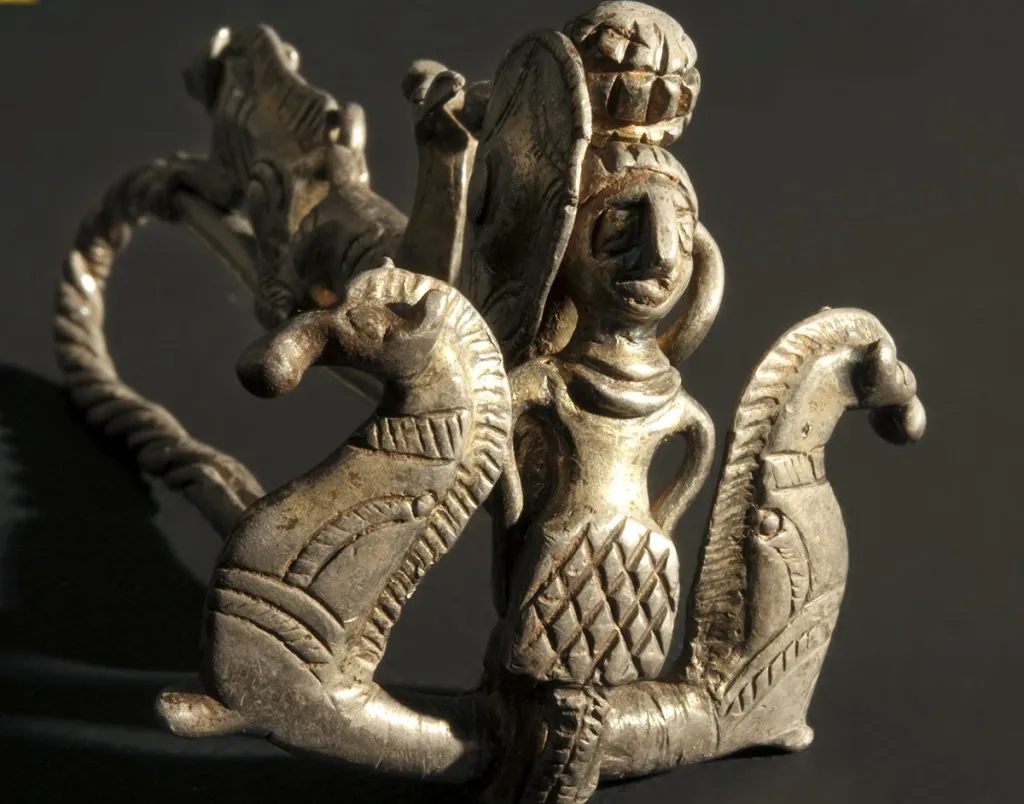
The expansion of the power of the princes, the birth of the political territories (states)
Since the end of the 4th century BC the local power of the oppidum has disappeared and the great territories governed by a prince are defined, as is known thanks to the writings of Greeks and Romans. Thus Orisson a prince from the north of the province of Jaen ruled over twelve fortified cities when he defeated the Carthaginese general Amilcar Barca, or Culchas that controlled a territory of twenty-eight oppidus. The capitals of these kingdoms, of course, reached the degree of real cities such as Catulus, Ipolca or Baecula. This phase was broken by the Roman invasion when Scipion defeated the Carthaginians in 208 BC in the battle of Baecula in Sao Tomé.
The romanization of the princes
The disappearance of the Iberian states under the power of Rome
The year 208 BC will mark an important milestone in our territory, with the victory of Scipion in the battle of Baecula. The last stage of the periodization of the history of the Iberians under the rule of Rome is opened, which will last until the disappearance of the Iberian culture as a recognizable entity, which will become evident at the beginning of the 1st century. A long period begins when many oppidos disappear and others become Roman cities with new economic strategies and new municipal political models. The Ibero-Roman city of Catulo in Linares is one of the best archaeological sites to understand this last stage of the Iberian culture.