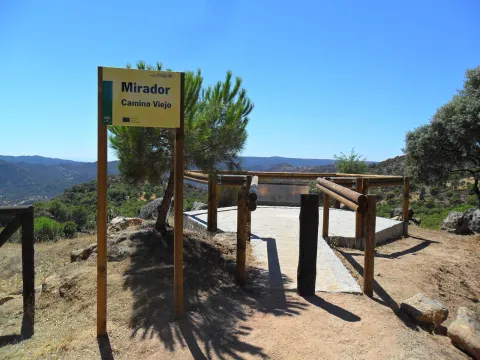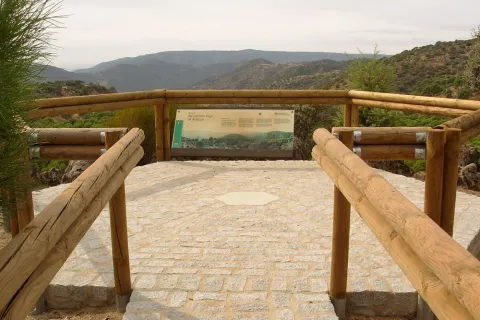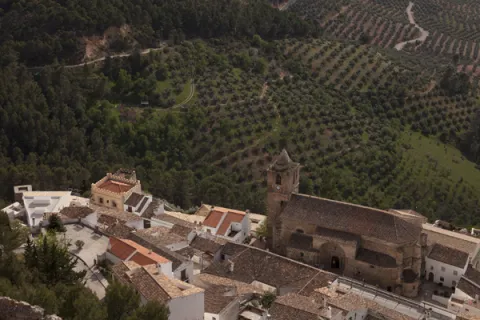
Viewpoint of the Chiclana de Segura Castle
Id
4443197
Descripción
Descripción larga
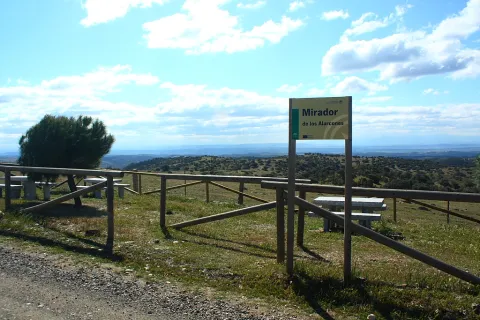
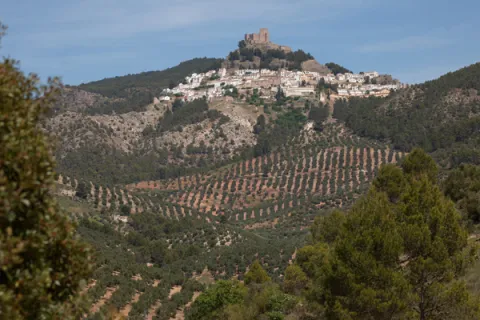
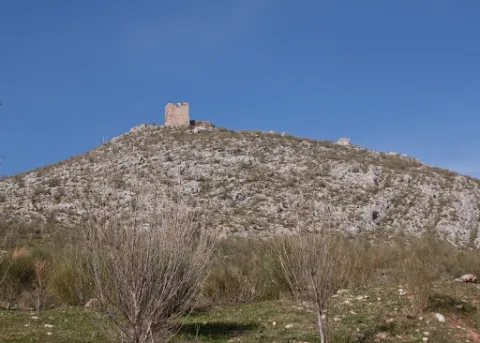
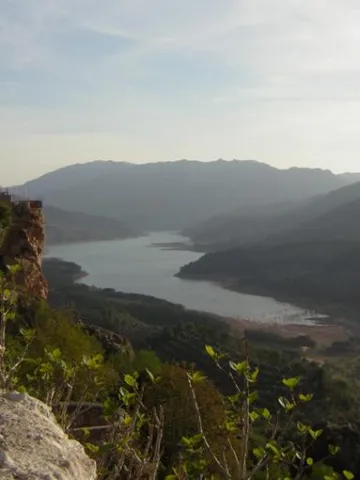
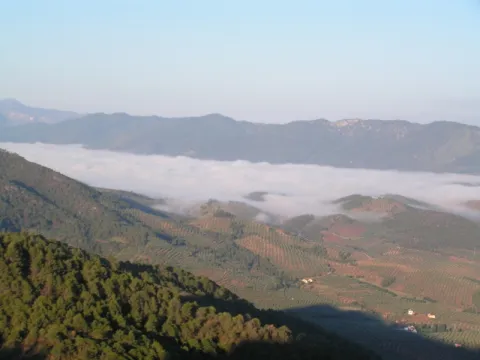
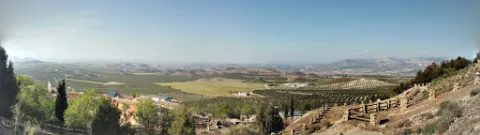
On the castle hill, next to its ruins and within the town center is this splendid viewpoint. It can be reached through several streets, but this path (which does not have steps) has steep slopes.
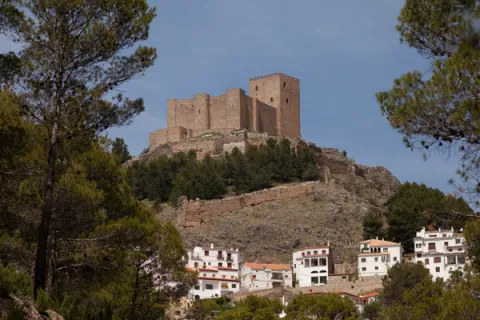
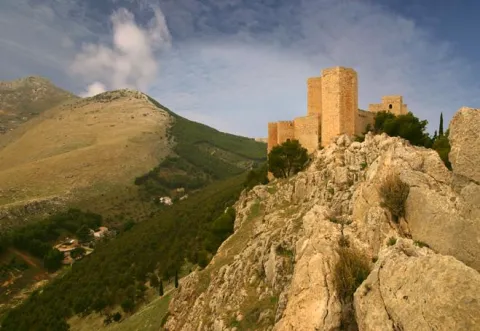
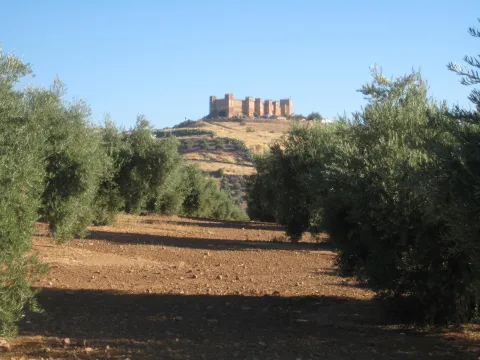
Located at the highest and most inaccessible point of the town, the castle has been declared an Asset of Cultural Interest since 1985.
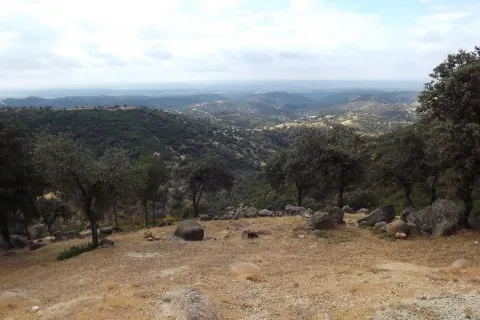
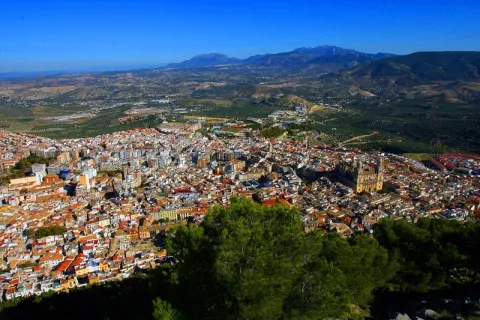
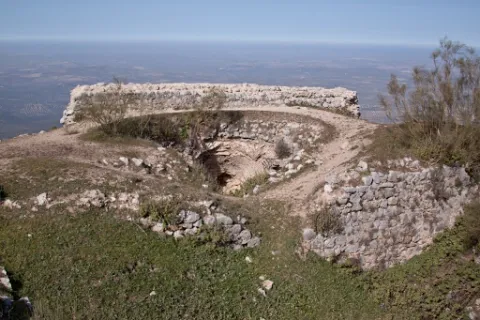
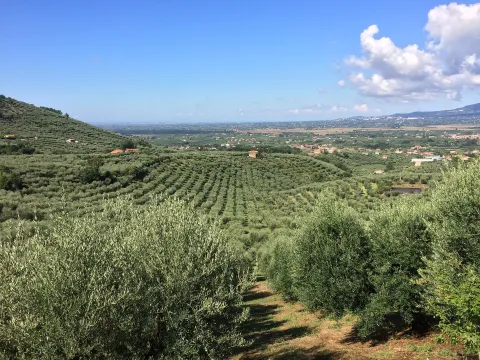
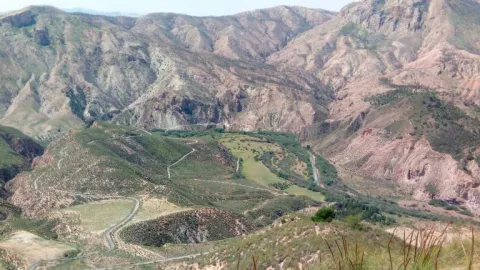
Although only a few paintings of its walls, towers, cistern and rooms are preserved, it has one of the greatest panoramic views that can be enjoyed today, reaching the view of four different provinces (Ciudad Real, Albacete, Granada and Jaén).
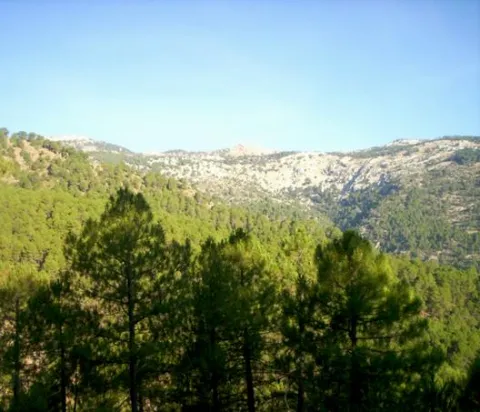
You can also see numerous geographical features such as the Sierra Morena, the Sierra de Segura, the Sierra de Alcaraz or the Sierra Nevada.
The Chiclana de Segura castle, of Arab origin and built in the 12th century, stands out above the buildings, which made it almost impregnable at the time of the Reconquista. A feat that Ferdinand III achieved around the year 1235, and shortly afterwards he handed over the castle to the Order of Santiago, becoming the head of the Montizon-Chiclana Commandery and the reason why Jorge Manrique resides in the municipality, upon being named Commander of the Order.
Jorge Manrique himself may have commissioned a series of works in the fortress: “a spiral staircase for a false door, two dogs, a cave, a cupboard for a bookcase”…
What is clear is that Jorge Manrique refers to this fortress in his poem love castle.
II
(…) named fortress
is in the high mountains
of a slope,
on a broken rock,
solid all of love,
very well put (…).
Without a doubt, it is worth visiting Chiclana de Segura and climbing its narrow and steep streets to delight in this visual spectacle (it also has a panoramic elevator - unique in the province - with which you can directly access the upper part of the castle).
Breve descripción
From this viewpoint, located next to the castle ruins, at the top of a hill, we will get impressive views of four different provinces: Ciudad Real, Granada, Albacete and Jaén itself.
Ubicación
Código Postal
23264
Latitud
38.310820
Longitud
-3.044500
Distrito
Municipio
Ubicación en el mapa
POINT (-3.0445 38.31082)
Tipos de punto de interés
Imágenes cabecera
imagen
Image
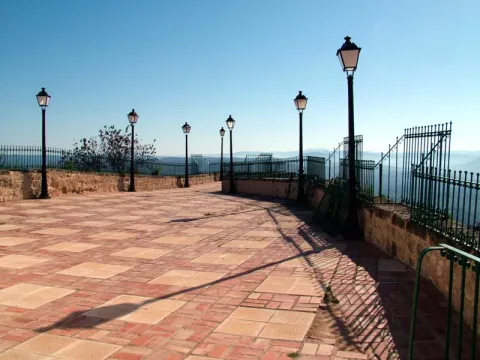
Imagen principal
Activado
Microsite al que pertenece
Loading map
Preparing points of interest and routes...