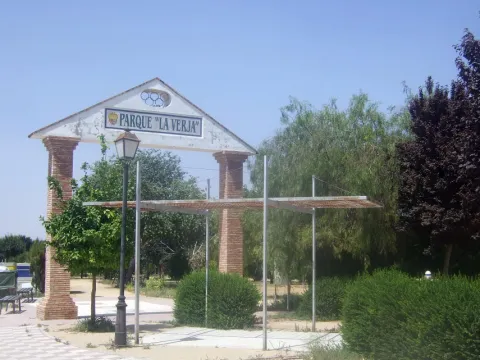
The Verja Park
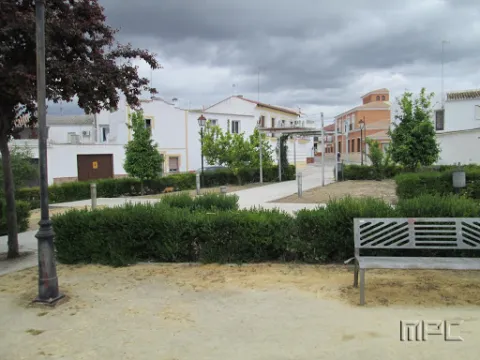
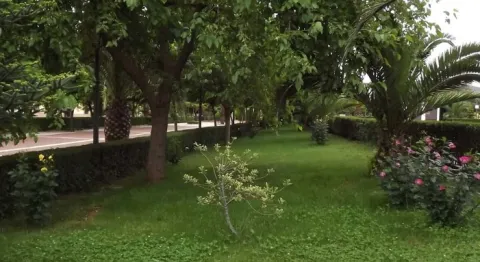
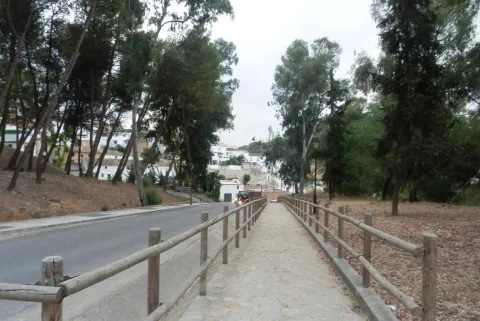
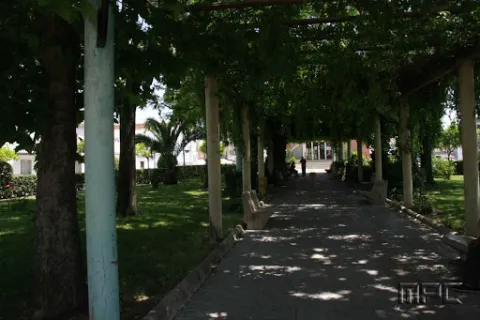
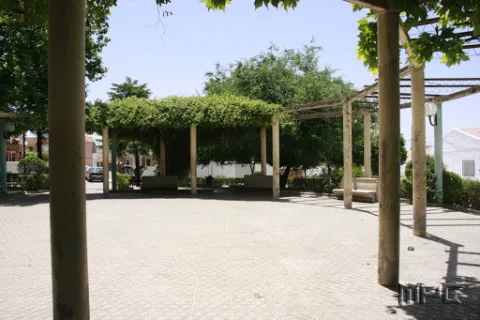
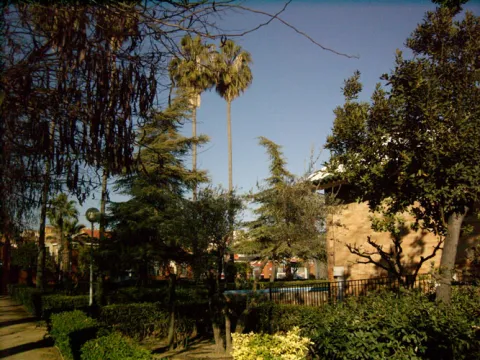
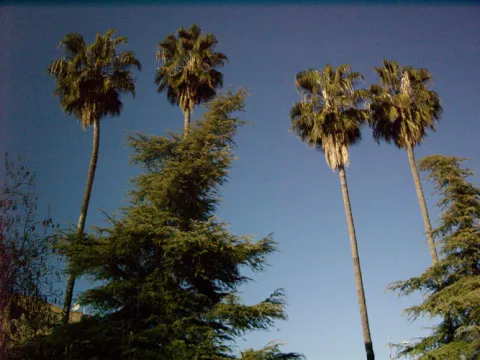
It is a green area full of gardens and vegetation as a walk, very frequented by the inhabitants of Lopera for sports practice.
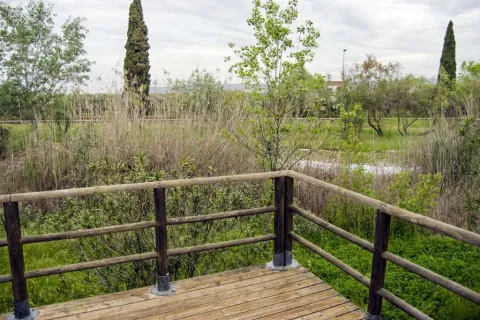
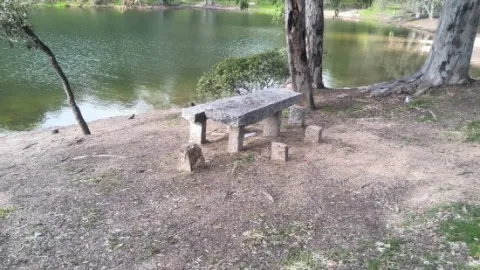
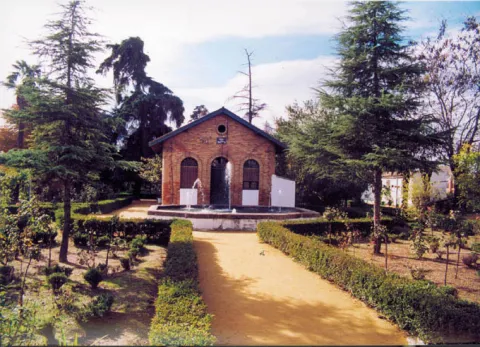
This peri-urban environmental park occupies 11 hectares of land and has recreational areas, bike lane, trails, viewpoints, wooden buildings, classrooms, aviary, artificial lake and botanical garden. In the Cercado del Ciprés we will enjoy a beautiful courtyard of oranges, which presents a system of irrigation lacquers that reminiscent of the gardens of Muslim design. Here are the offices of the Sierras de Andújar Natural Park as well as a visitor information point. The environmental education activities they organize include the scientific nesting of birds and workshops on beekeeping, fishing and identification of animal prints.
The Cercado del Ciprés forest park is located on the outskirts of the city of Andújar, next to the Alto Guadalquivir Regional Hospital, on the Rubiales Road and just 250 m from the Andalusian motorway.
The main park has a large walk space surrounded by banks and gardens. Inside we can observe the monument to San Francisco de Assisi and the pond.
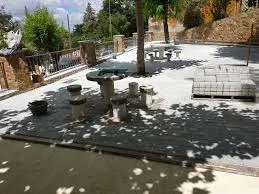
This park has large shade areas, rest banks, a children's recreation area and a delimited picnic area.
Frondosa grove in the old town of Torredonjimeno where there is an area conditioned for leisure and free time consisting of a children's park and a picnic area.
The Freedom Park has a large area for the walk and is the preferred meeting place for the inhabitants of Jabalfifth.
This park stands out for its magnificent shadows, ideal for the summer months and for the great accessibility it enjoys.
It has a children's playground.
Next to Park is the Bus Station.
Built in 1988, it is a large, grass-filled and wooded complex with countless banks and two sources that invite us to rest.
It is a great space for the walk and rest with large wooded areas, seats for the rest and a nice kiosk of music.
This park of extraordinary botanical wealth, popularly known as "El Vivero," is worked between 1893 and 1895, when Mr Eduardo Carvajal would be mayor of Bailén and from whom he has inherited his name. This garden will be one of its first views as you enter Bailén from the south on the Avenue del Parador. Inside you will find a wide variety of floral and arborea like the acacia of three thorns, the tree of love, rosals, American cane, cypress, alhelis, cineraria, carraspiques, sage, rosemary...
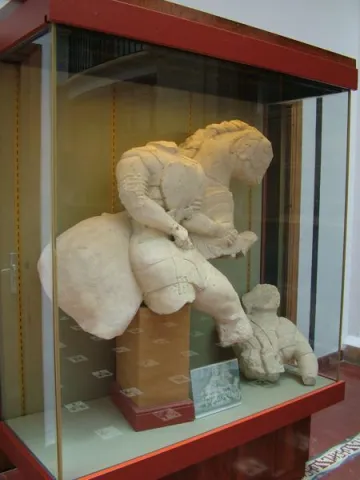
The sculptural ensemble located in this settlement is by far the most important and monumental that has provided Iberian archaeology and key to understanding this culture at the time of its full consolidation, during the fifth century before Christ. This sculptural ensemble is located in the Provincial Museum of Jaén. Other Iberian pieces are exhibited in the Municipal Archaeological Museum of Porcilla, located in the Tower of Boabdil.
The settlement of Cerrillo Blanco is an extraordinary piece to understand not only the importance of the Iberian "oppidum" of Porcra, but also the very history of Alta Andalucía and the entire Iberian world in general.
In the central region of Sierra Morena, on a substrate of slate and sandstone, this protected space is located characterized by its accidental relief.
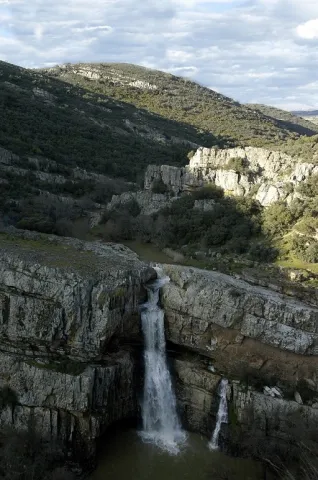
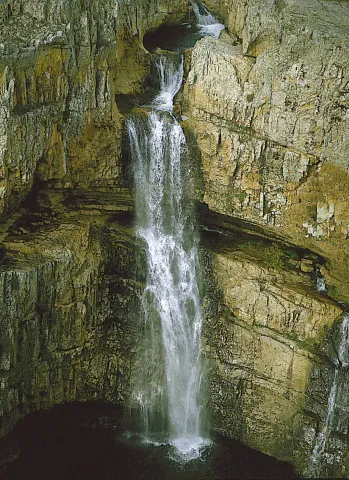
On the south-west side the river Guarrizas appears, creating strong slopes. On the contrary, the declives on the southeast side are softer. The napping of the river forms waterfalls, the most spectacular and beautiful being that of Cimbarra.
The flora is characterized by its heterogeneity. It abounds the mixed forest of oak and alcornoques, with an abundant Mediterranean bush. There is also an area of oak and repopulations of pineapple and black pine. The fauna is also rich and varied.
Among the medium-sized predators the fox and the gin abound, while numerous rapaces fly over the skies of this natural area of 534 hectares of extension, highlighting the royal eagle and the eagle.
If for anything it is known Aldeaquemada is precisely for La Cimbarra. This spectacular waterfall, about 40 meters high, is located about two kilometres from the village in the south direction and has the category, as a protected natural space, of Natural Park. The access path is in good condition and efforts to improve it have been important in recent years.
The whole area of this artificial wet area - with an increasingly important water vegetation belt - is surrounded by crops.
The palustre vegetation of these swamps is basically made up of eneas and canes, accompanied by beets and tarays and on their shores are mainly developed the alms.
While, as far as fauna is concerned, an abundant and varied community of aquatic birds is concentrated in these reservoirs of Alto Guadalquivir, highlighting the colony of squid (species catalogued as threatened at community level), royal ducks and spoons, as well as imperial porrones and garzas.
The total area of this natural area, whose reference locations are Ubeda and Jódar, is 663 hectares.
To the south of the famous hills of Ubeda, the Guadalquivir River was repressed in the 1950s in a succession of three small reservoirs: Doña Aldonza (301 hectares), Pedro Marín (240 hectares) and Puente de la Cerrada (122 hectares).