Virgen del Campo Patron Saint Festivities
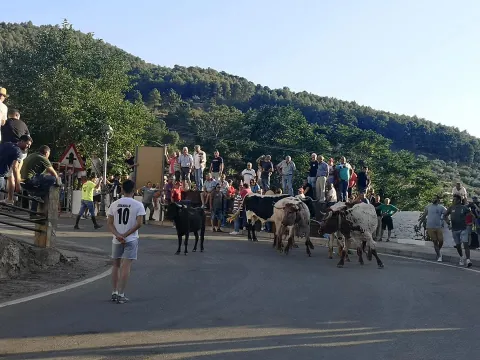
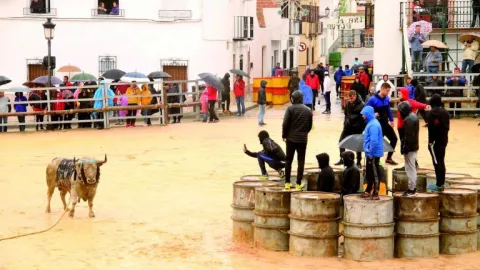
During these days, the festivities centre on the running of young fighting bulls. One of them is slaughtered, and its meat, cooked in a stew or fried, is shared among residents and visitors.
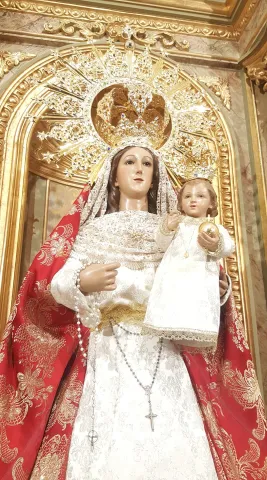
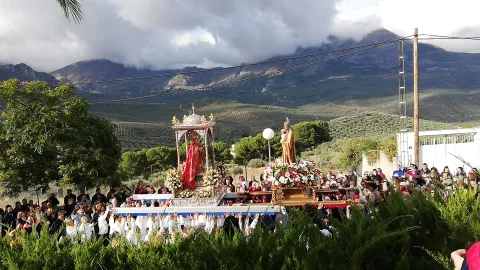
Together with Nuestra Señora de la Paz, they are the patron saints of Chilluévar. On 15 May, the Brotherhood of Farmers organises the celebration of this festive day in the mountain area known as “Los Vilchetes”.
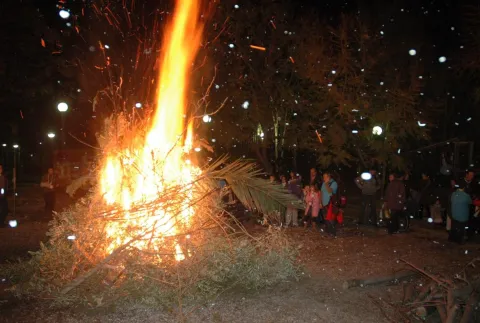
Her feast day is celebrated with a Mass and the procession of her image. The most distinctive feature of the celebration is the colossal bonfires lit throughout the town the night before, built by residents using leftover olive-tree prunings.
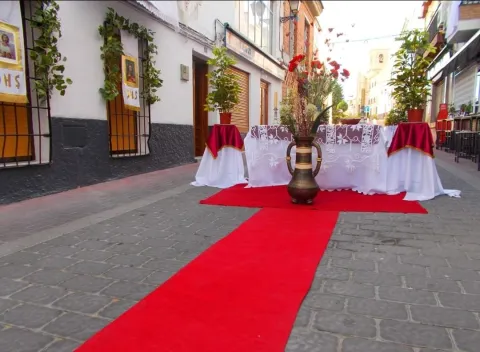
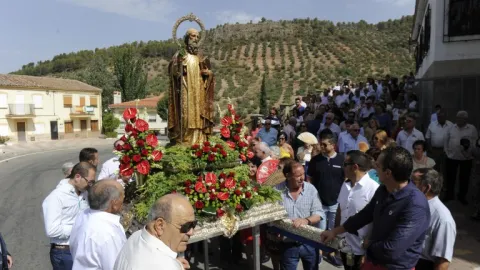
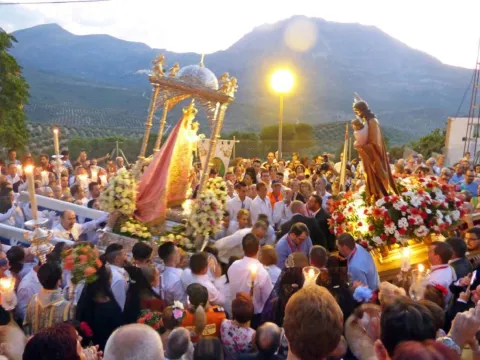
On this day, residents decorate the town's main streets with carpets and floral altars. The procession makes its way through the streets, accompanied by the children who made their first communion that year.
The festival of the patron saint, San Ginés de la Jara, is Benatae's main festival, held from 22 to 25 August. The patron saint is regarded as the protector who cured hernias. The bull runs, in which cows are run through the town's streets, are a traditional feature. The young bulls used to be brought from Orcera to the now-vanished Hermitage of San Ginés, located at the entrance to the town, preceded by the brotherhood's standard, carried ahead of them.
Held on 25 April, the town's local festival. On this day, the traditional hornazos are eaten, and people usually head out to the countryside to “scare away the devil”. The people of Navas spend the day at the spot known as “Fuentemarcos” (the Fountain of San Marcos).
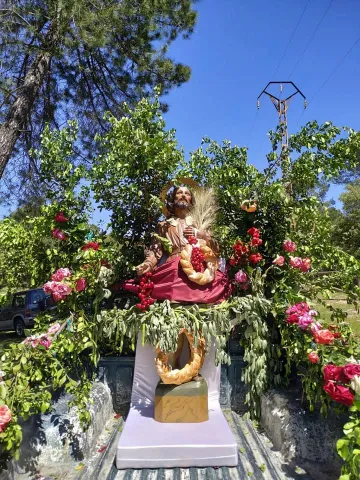
On 15 May, the farmers' guild honours its patron saint by drinking "cuerva", a traditional punch made from wine with water, sugar and fruit. “Luminarias”, bonfires made with rosemary branches, are also usually lit on the eve of certain celebrations such as San Antón, La Candelaria and San Blas.
Worth mentioning is the ritual with which Garcíez celebrates the festivities of its patron saint, San Marcos, held between 23 and 26 April, in which the saint is carried in procession to the outskirts of the town so that he may bless the fields and bring water for the harvests. During these days, a dish of dried broad beans is prepared, and the so-called "roscos de San Marcos" are made, to be handed out among residents after the procession. Until 1977, the year in which the Marquis of Viana sold all the land within the district of Garcíez, it was he who covered the cost of the dried broad beans, oil and flour for the roscos, as well as the firewood for cooking. These San Marcos festivities end on the 26th, when the figure popularly known as the Señor de las Injurias is carried in procession.
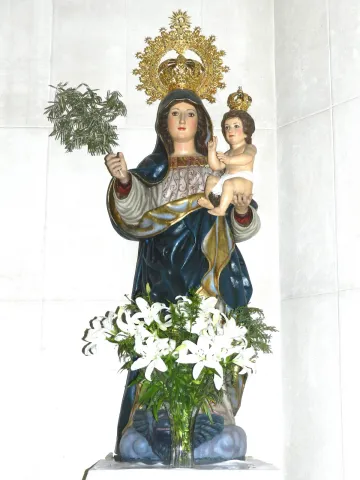
Held on the last Sunday of October. Traditionally held on the 25th of that month, the image is moved on 25 September from her hermitage in the Cuadros area to Bedmar, where she is venerated by all residents. The Virgen de Cuadros is devoutly regarded as the Lady and Mother of Sierra Mágina, with this pilgrimage having been held since the 16th century. Over the four-kilometre journey to her sanctuary, she is carried in procession on a platform, with the image placed inside a glass case. She is carried by women, and upon reaching the river, where market gardens are located, it is the market gardeners who carry her on their shoulders through the stretch of their lands. Along the way, people sing, dance, and enjoy bread with oil and hot chocolate.
Bedmar preserves its festive cycle rooted in farming work, with some customs still surviving and others that have faded over time. It is traditional, for instance, to light bonfires on the eve of San Antón — 16 January — around which chops and popcorn are typically enjoyed, and over whose flames young men jump, using sticks and reeds like vaulting poles. The same custom of lighting bonfires once existed for San Sebastián and for La Candelaria, when, on the eve of this festival, the people of Bedmar used to go out into the countryside to eat the "rosca" typical of that day, accompanied by broad beans — a tradition that has since become associated with oil and salt cod for Andalusia Day.