Museum of Arte Contemporáneo Mayte Spínola
Id
4277019
Descripción
Breve descripción
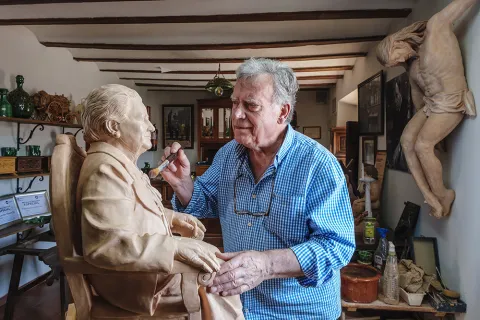
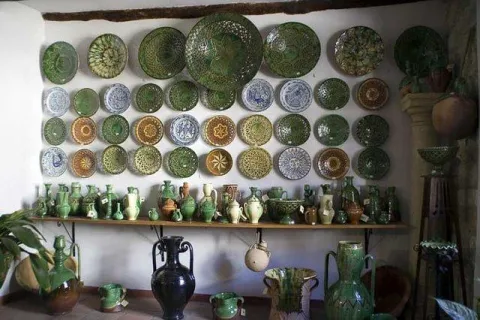
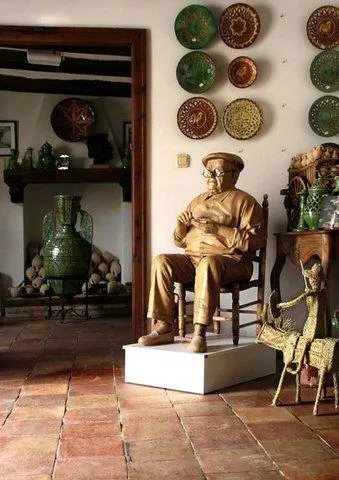
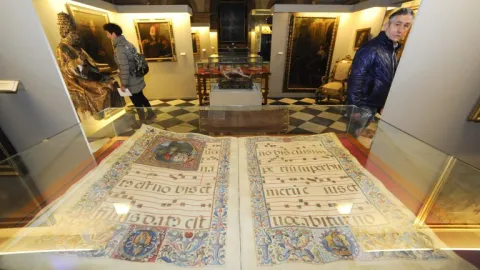
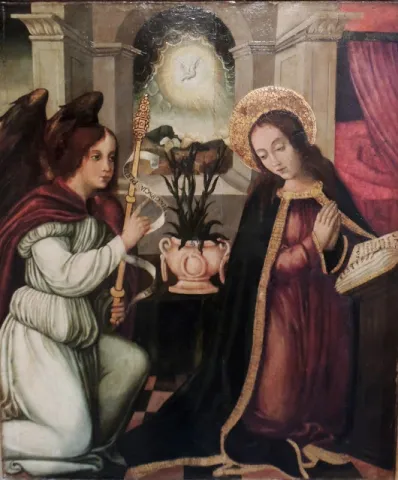
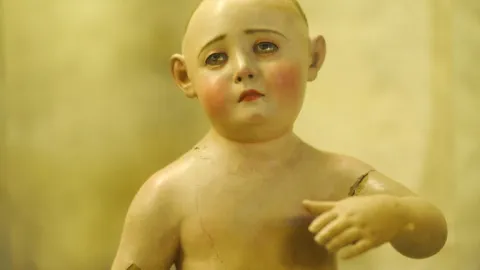
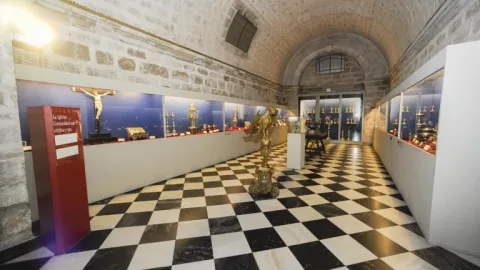
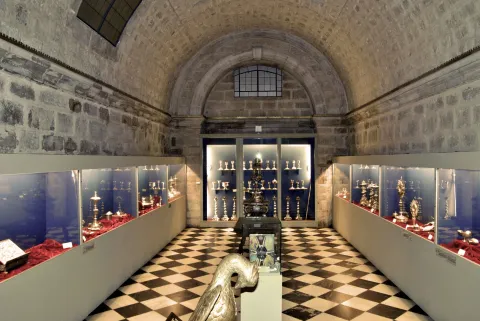
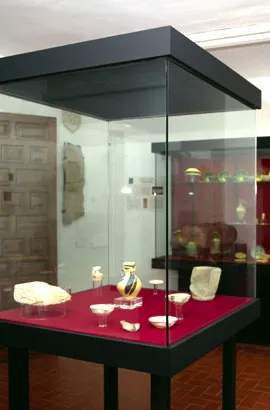
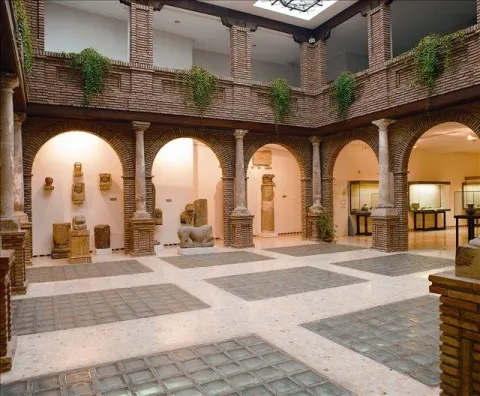
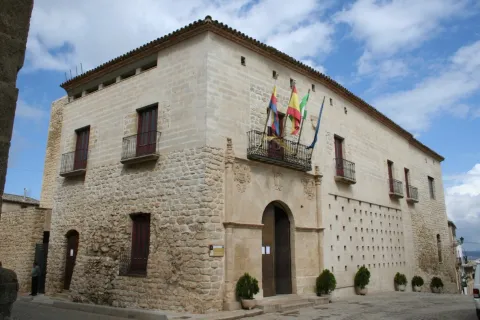
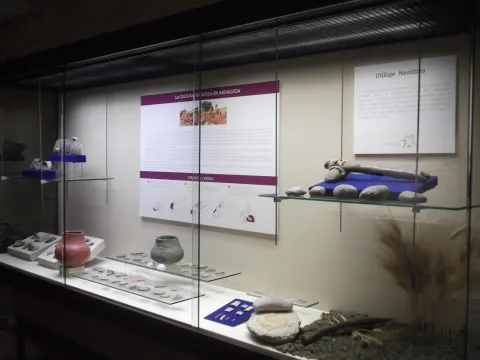
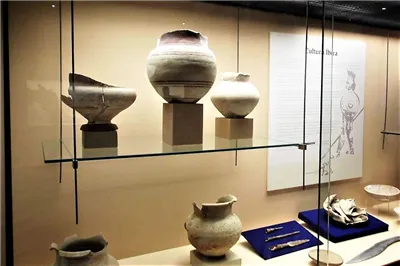
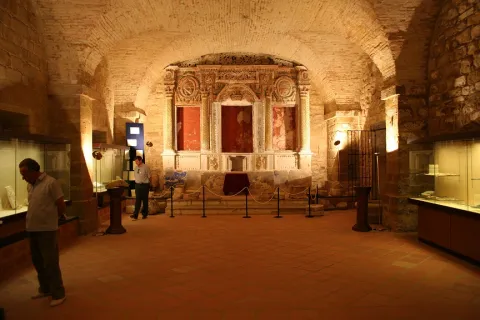
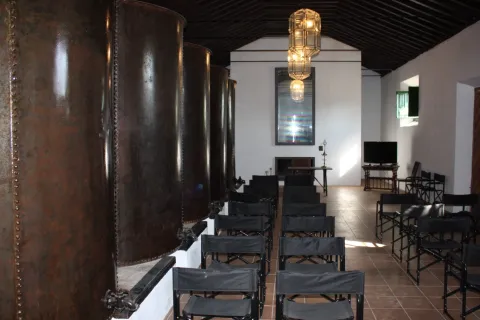
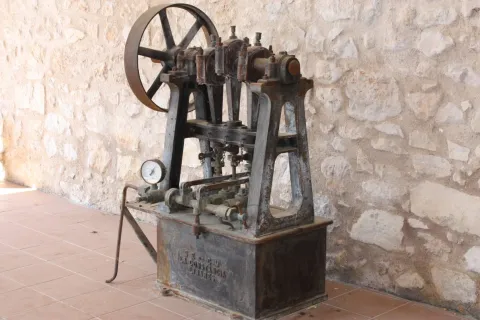
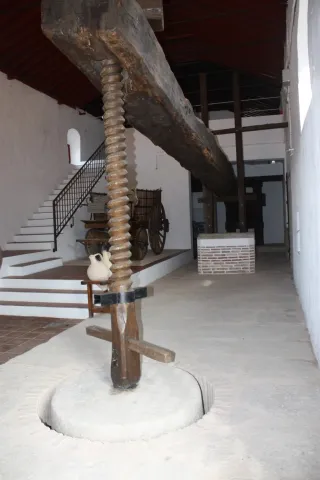
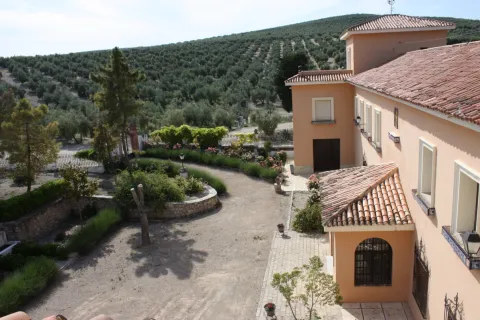
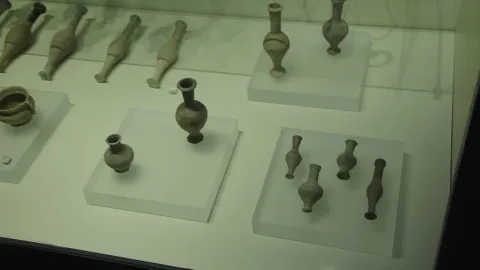
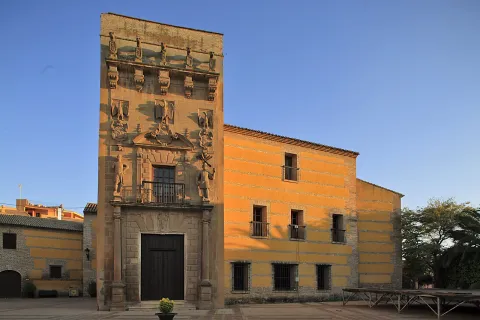
TheMuseum of Contemporary Art Mayte Spinolaof Marmolejowas created in 2004 with a donation from the artists belonging to the Group for Art and Culture, which leads Spinola, at the opening were the dukes of Lugo, Ana de Orleans and Carmen Thyssen- Bornemisza, among other personalities.
Telecomunicaciones
Sitio web
https://museomaytespinolamarmolejo.com/
Teléfono de contacto
626 908 226
Correo electrónico
museomaytespinola@ayuntamientodemarmolejo.es
Ubicación
Código Postal
23770
Latitud
38.047100
Longitud
-4.173500
Dirección
C/ Jesús, 29
Distrito
Municipio
Ubicación en el mapa
POINT (-4.1735 38.0471)
Tipos de punto de interés
Imágenes carrusel
imagen
Image

Imagen principal
Desactivado
imagen
Image
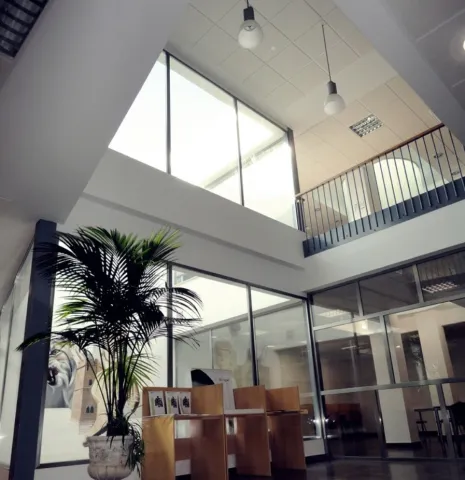
Imagen principal
Desactivado
Imágenes cabecera
imagen
Image
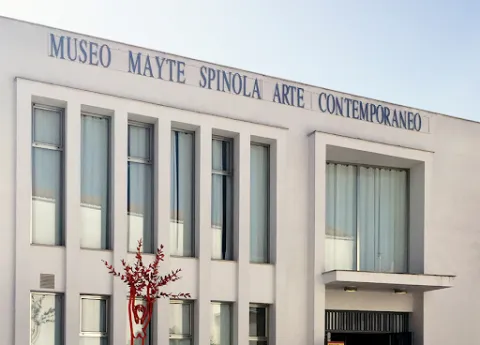
Imagen principal
Activado
Microsite al que pertenece
Loading map
Preparing points of interest and routes...