Fiestas de Santa Isabel
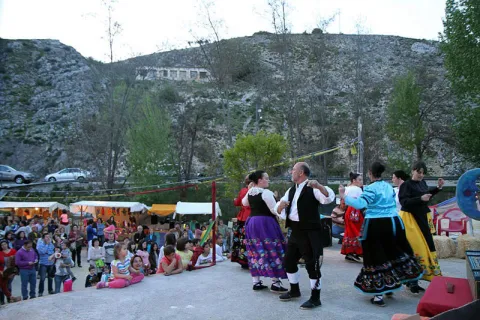
During July, festivities are held in various villages of the municipality. In Miller, in honour of Santa Isabel, around the 8th.
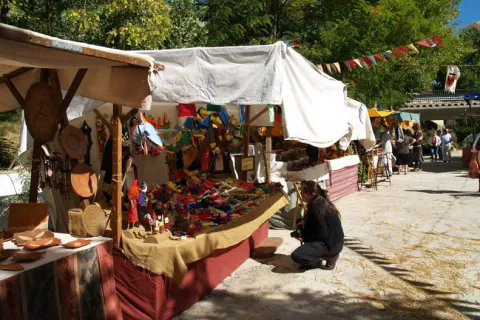
Special mention should go to the Medieval Market held in Pontones since 2010. The square of Pontones goes back to the Middle Ages thanks to activities and performances such as street parades, theatre, magic, storytelling and welcoming stalls selling craft products.
Gastronomic activities and a popular open-air dance are also held. In past editions, the Medieval Market coincided with the Livestock Fair; however, from 2015 onwards, it has been held during the early May bank holiday weekend.
In May, taking advantage of the arrival of good weather, we begin celebrating the Feast of Santa Quiteria, specifically on 22 May, when each household takes its “hornazo”, a kind of cake with a boiled egg baked into the centre, to eat with friends and family out in the countryside.
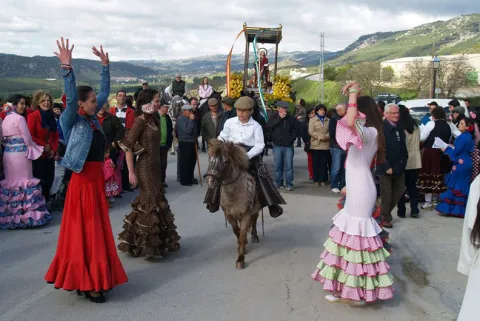
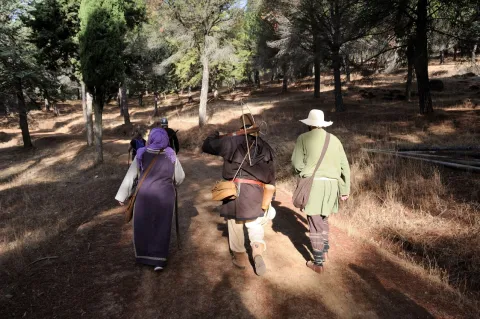
For some years now, Santiago de la Espada has also held the Pilgrimage of Santa Quiteria: early in the morning, the pilgrimage sets off from the Church of Santiago Apóstol towards La Carreña, with people bringing their horses and dressing in Andalusian or mountain costume; on arrival, a Mass is held in her honour, followed by celebrations at the river to mark the feast of Santa Quiteria, with the return of Santa Quiteria to the church taking place in the afternoon.
The tradition of eating hornazo on the feast of Santa Quiteria dates back to the 16th century, when a plague epidemic left the survivors in poverty, and the town council took charge of distributing a bread cake to every household.
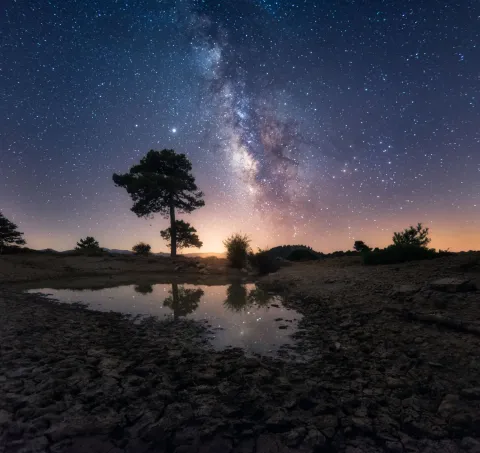
Organised by Santiago-Pontones Town Hall, StarParty brings together astronomy and nature in the heart of the Cazorla, Segura y las Villas Natural Park. The village of Don Domingo, Spain's first Starlight-certified site, is an iconic spot offering the perfect conditions for stargazing tourism enthusiasts.
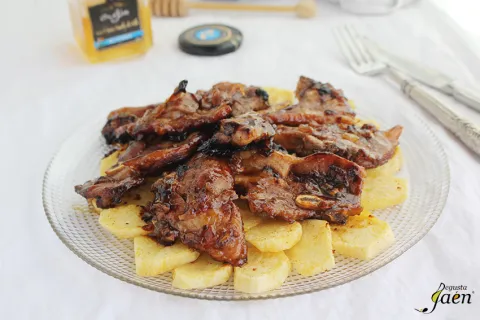
Segureño lamb is one of the most emblematic products of Jaén's livestock farming, and efforts are underway to support this activity, which still relies on transhumance. In November, these Days are held in Santiago-Pontones, exploring the reality of this livestock tradition, alongside tastings of dishes made with its delicious meat.
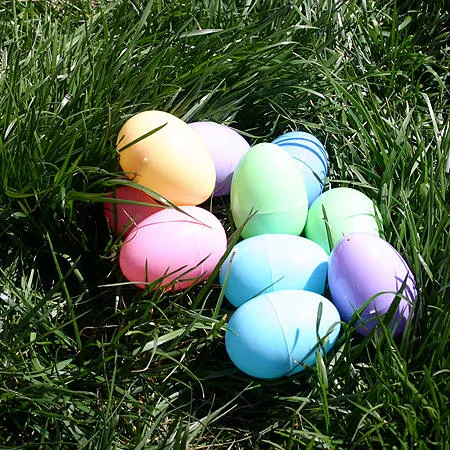
Of the Central European settlers who arrived in the 18th century, only the tradition of painting boiled eggs survives, eaten at the La Aliseda area as part of a salad. Before this, there is a ritual to observe: rolling the eggs down a grassy slope so that they don't break. Because of this, in Santa Elena, the celebration of this special day is known as Rulahuevos, with eggs of each colour kept until it was time for them to be eaten at Easter Sunday lunch.
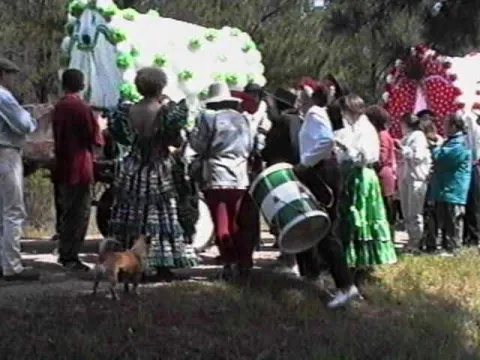
On 15 May, the residents of Santa Elena accompany San Isidro, on floats decorated for the occasion, to the area known as La Aliseda. At this spot, of incomparable beauty, a Mass is held in honour of the Saint, followed by a whole day spent in the countryside.
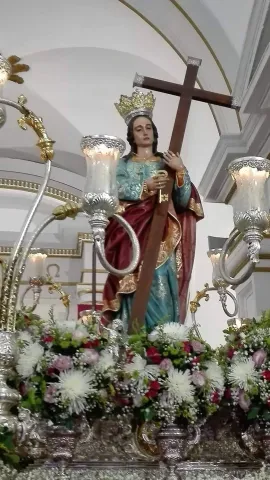
Festivities are held in honour of the Patron Saint, Santa Elena, between 17 and 21 August. Many varied leisure and sporting activities are held throughout these days. On the 17th, the traditional ringing of church bells announces the start of the festivities, and three rounds of firecrackers signal the beginning of the bull runs through the town's streets. In the afternoon, a bullfighting show is held. Then comes 18 August, the main day. In the morning, Mass is held in honour of the Saint, with all attendees invited to one of the fair stalls. At night, the most important event of the whole fair takes place: the procession of the Patron Saint, accompanied by a music band through the town's streets. On the 20th and 21st, the bull runs return in the morning, along with a bullfighting show in the afternoon. The fair ends with a spectacular string of fireworks in the early hours of the 21st.
The Battle of Las Navas de Tolosa is a world-famous historical event, recalled by the March of the Three Kings. The only way to truly discover what happened during this battle is to walk the route on foot, gaining access to these sites steeped in history.
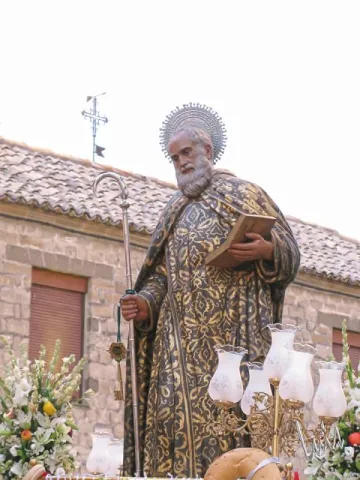
This celebration dates back to the time of Ferdinand III. It is held from 22 to 26 August. On the 25th, the Patron Saint's day, the image of San Ginés is carried in procession from the Church of San Pedro Apóstol to the hermitage that bears his name. At the end of the procession, the traditional auction of the bread rings takes place. The festivities close with a fireworks and music show.