
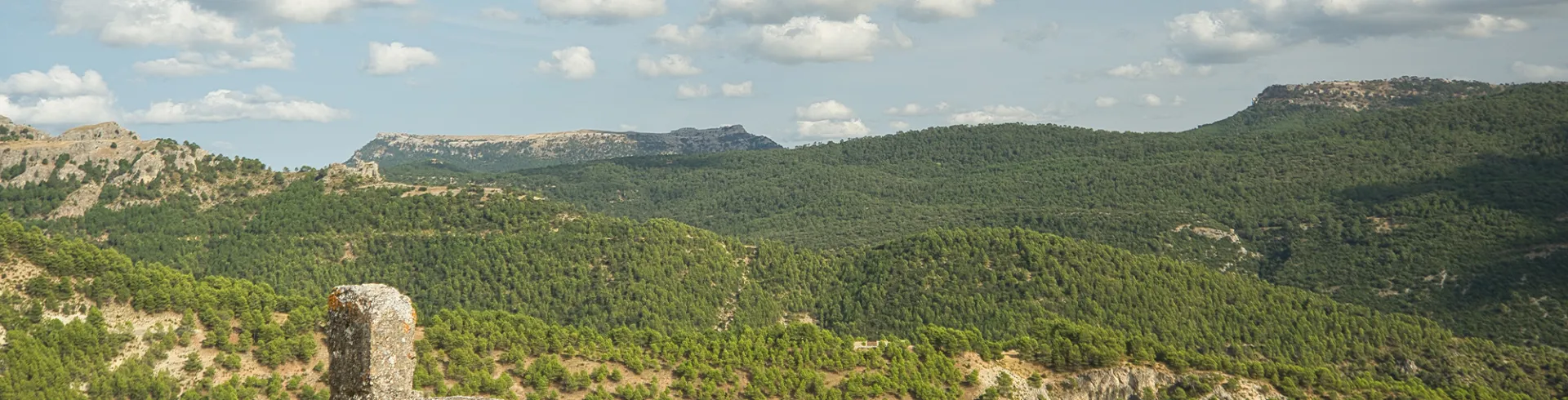


A climate with character: The balance of the seasons in the Andalusian mountain
The mountains of the Park have a lot of character, with all their own climatic features, but none is given in excess. The cold has its time, especially in the high areas. It will be time to enjoy the snow and the fireplace. In addition, the lower areas have more winters than shanty. The heat also has its time, but the omnipresence of the mountain and vegetation tempered its rigors and refreshed the nights.
In addition, summer is perfect for walking through the shaded pine trees of the high areas, the abundant umbria and the riverbanks and streams. The balance and temperance of spring and autumn make them, of course, the most appetizable seasons.
And if you're looking for light, don't forget that this is Andalusia.
The precipitation
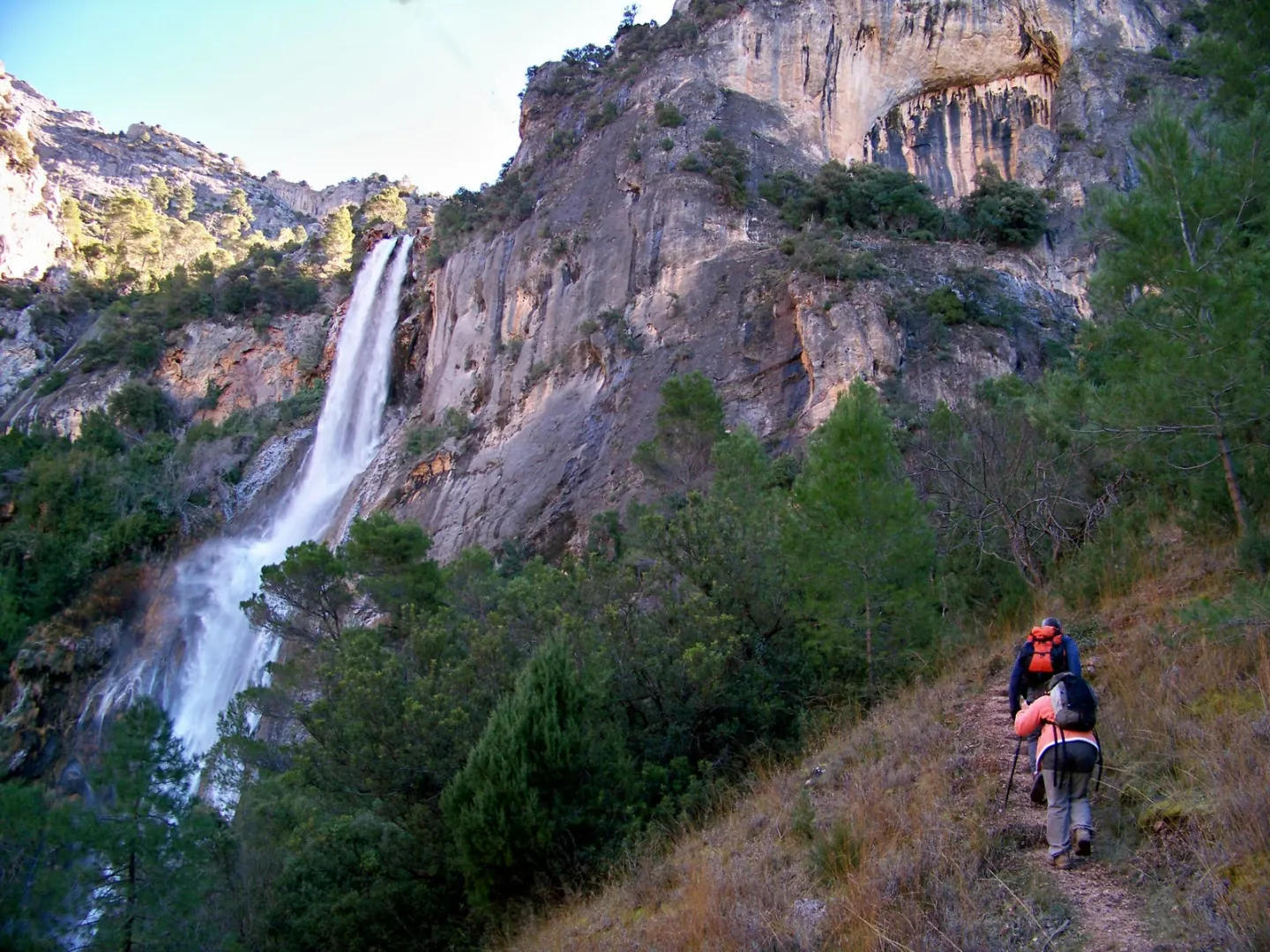
The Natural Park is one of the most humid areas of Andalusia and a realislandrainy in the context of the geographical areas surrounding it, due to its high average altitude and the general disposition of its mountain lines, in direction NE-SO. The Park's more than 100 km of mountain alignment has a strong barrier to the advance of the Atlantic fronts, which causes an air rise that promotes cloud development.
On the other hand, the Segura Valley allows the penetration of disturbances of Mediterranean origin, which mainly affects the north-eastern sector of the Park, producing precipitation precisely in times of the year where Atlantic blasts are less frequent, such as the end of spring and the beginning of autumn. Of course, not all over the Park is the same amount of precipitation, but they grow as altitude increases, and they also vary, although to a lesser extent, according to the direction of the mountain slopes with respect to the sun or the winds.
Two climate subregions can be seen in the Park. A first match with the central mountain core, the average altitude of which is around 1,200 m, with an annual precipitation exceeding 800 mm (1mm = 1 litre / m2), within which two rainwater islands exceed 1,000 mm. And a second subregion located on the periphery, between 900 and 500 m of altitude, with rainfall between 600 and 800 mm a year, with a strip of less than 500 mm at the south end.
As it is typical of the Mediterranean climate, the park suffers a marked absence of rainfall during the summer, although the presence of the forest masses, the watercourses and their mountainous character, offer a tempered summer. The rainfall is often abundant during autumn and winter. In the spring and especially at the end of the summer, the rain sometimes downloads with
tormentous character, which causes increases in the flow of rivers. In fact, this park is the Andalusian area that records more summer storms.Snow is part of the landscape identity of much of the park and the daily reality of the inhabitants of the high areas of the Sierra de Segura during the winter. Over 1,800 m usually snow between 20 and 30 days a year, a figure that is reduced from 10 to 20 between that level and that of 1,300 m., and from 3 to 10 days below that altitude, which is where most populations are located. However, snow blankets are often not very persistent, except sometimes in the fields of Hernán Perea and the highest peaks. In these, they can stay in the month of May.
Temperatures
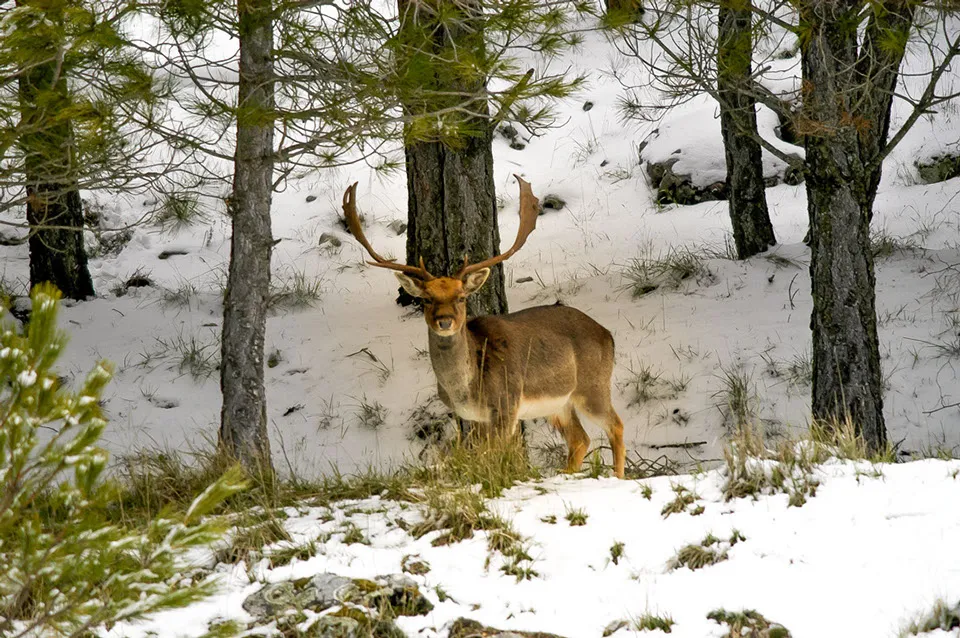
Temperatures decrease as altitude increases, except in very tight places where thermal investment in the valley floor can occur. The temperature decreases about 0.5-0.6ºC every 100 m of altitude increase, so that, as the serrano relief is so damaged, great contrasts are given in a short distance.
Thus, in the more western and less mountainous areas of the north-west and in the southern end of the Park the summers are warmer and the winters are softer than in the higher areas, where the summers are not very hot, but the winters can become quite severe.
Let's see some examples of these contrasts. The mean of the lowest of the coldest month, are -3,2 ° C in Arroyo Canales (Rio Madera) and 4,9 ° C in Beas de Segura. The maximum average of the warmest month is 29.3 ° C in Las Abeas and 36.4 ° C in La Puerta de Segura.
To the factor of the altitude we must add that of the orientation of the slopes, which in the Park is very variable given its orographic complexity, with continuous alternations of umbria and solanas, which increases the local variations of temperatures and precipitation.
As for the frost period, it is greater as we move east and ascend in altitude. The annual frost-free days do not exceed 100 in the most mountainous areas, while they far exceed 200 in the low areas.
The winds
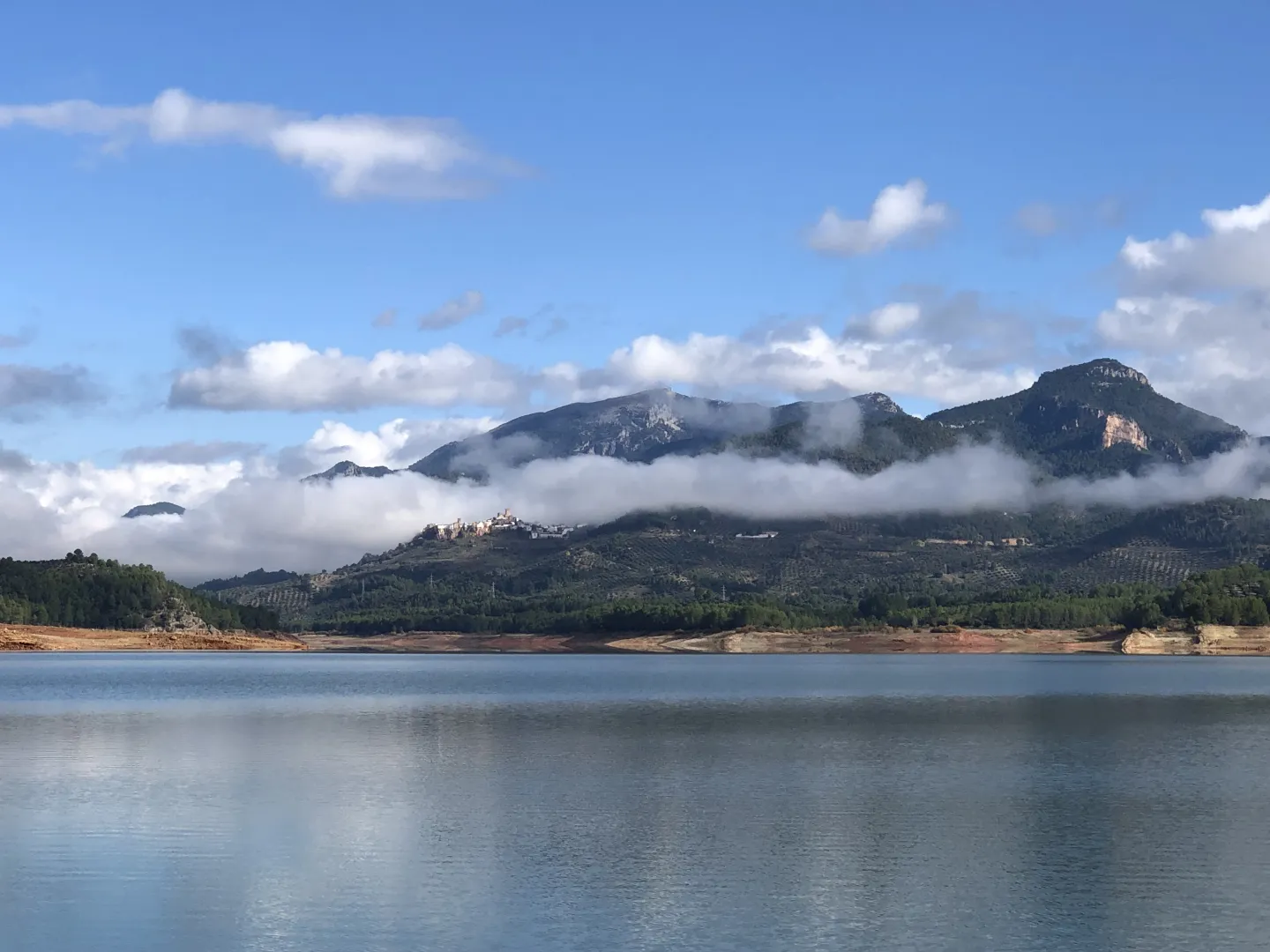
The winds are generally soft, except in the high summits. In popular terms, we can distinguish thecerzo(cold, from the north), orsolane(warm, from the southeast), the Moorish orgranaine(from the south, which usually brings rain), theOpen(from the west), andmanchego(from the northwest, often accompanied by temporary).
