


The prehistory
The Lower Paleolithic are the oldest remains found in the Natural Park, such as those found in Puente Mocchio, near Beas de Segura.
In the cave of the Birth in Pontones there appeared some remains that mark the transition of the upper Paleolithic with the Mesolithic, a period that can be located around 10,000 A.E.C., in which climate changes made it possible to develop activities outside the caves, facilitating the arrival of the revolution of agriculture, livestock and sedentarianism: the Neolithic.
alt
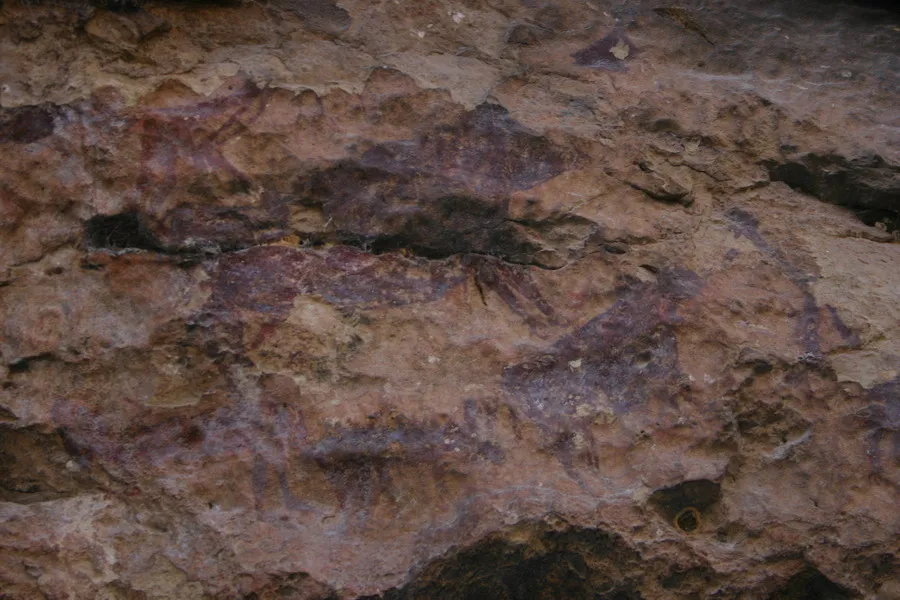
There are several areas in which there are paintings belonging to the alumino rock art and which are found in deposits such as the Cañada de la Cruz, the coat of Rio Frio and the caves of the Engarbo in Santiago- Pontones. In Quesada, mention can be made of the Cave of the Encashier and the Cave of the Monk. In Segura de la Sierra we can quote the Cave of the Mother Goddess, the Collado del Guijarral and the Poyo de los Letreros.
Remains of the Copper Age have been found in the Hornos de Segura and Iznatoraf. Around 1,700 before our age (from now on), and throughout the Bronze Age, there was a significant intensification of the population throughout the present Natural Park. The Loma del Bellotón in the vicinity of Cazorla, the Cerro de la Coja in Orcera or the Sisters in Puente de Génave, are some examples of deposits of this time.
From the 7th and 6th century, the use of iron, as well as the Iberian culture, appears. There were villages in Castellones de Ceal, in Hinojares and El Collado de la Virgen, near Torres de Albanchez. Inside these settlements, housing was organized in neighborhoods and streets. The basis of the economy was agriculture, weaving, ceramics, livestock and metallurgy, which was already of great importance as noted in the treasures of Santiago de la Espada and Mogón. The sculpture was of great importance, as the great collection shows
of the Iber art of the Museum of Jaén. They serve as examples the Lion of Bienservida, appeared in the municipal term of Villarrodrigo or the Toya Chamber in Peal de Becerro, to the north and south of the park respectively.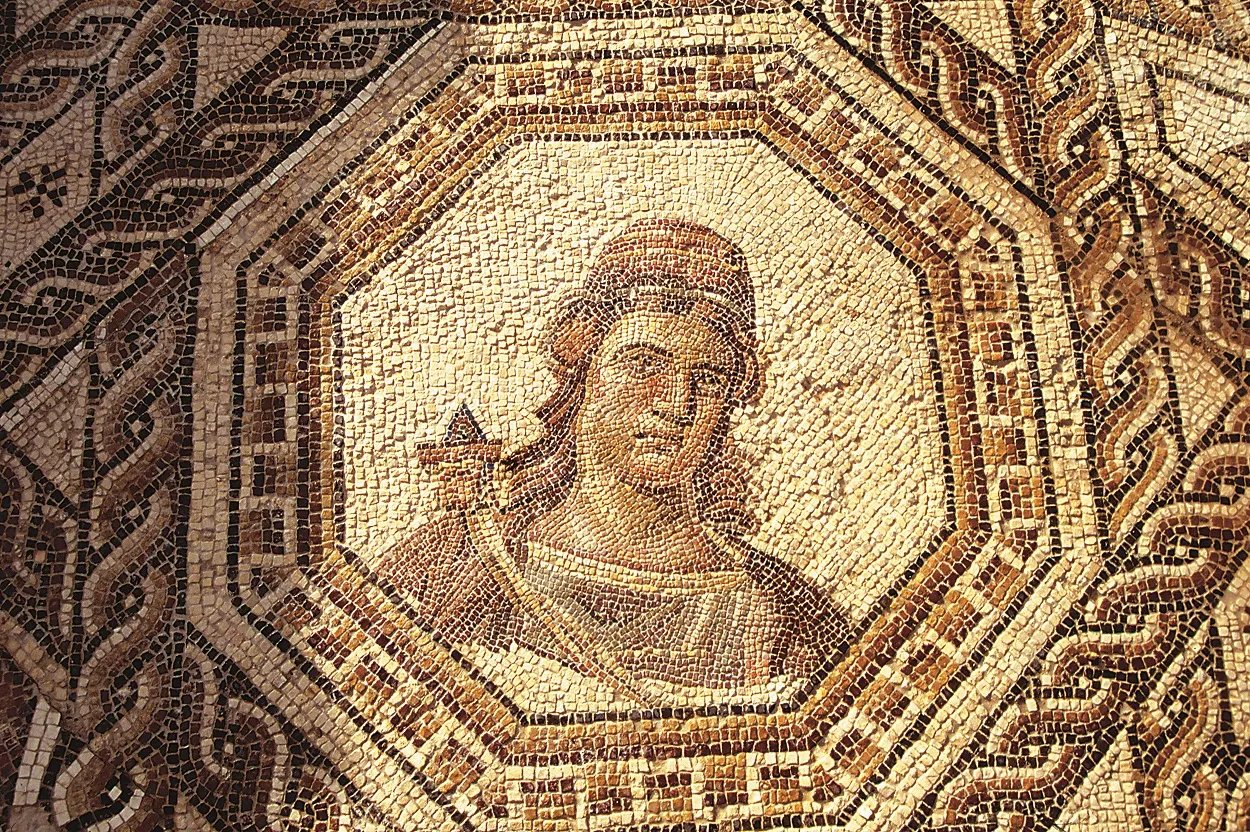
The Roman villas and the independent kingdom of Ibn Amuk
In the whole of the Natural Park there was no Roman city of sufficient entity, although there are many examples of villae (large houses considered administrative centres of the farms in which they were located) scattered in the most fertile vegas. The most interesting are Bruñel in Quesada and the Baths in Arroyo del Ojanco. At the same time there are some public works, highlighting Puente Mocchio, near Beas de Segura, and remains of road. Also common are the remains of mill stones, tiles and in general ceramic remains among which is the quality of the terra sigillata, a luxury ceramic with a very characteristic reddish color. From the Visigoda era there are some remains of graves on the hill of the Horca, in the vicinity of Peal de Becerro.
Already in Muslim timesa, after the fall of the Califate of Cordoba, this area will be under the control of different taifes (small kingdoms) until the arrival of the alparavids. It is, however, at the time of the fall of the alparavids and the creation of the Second Kingdoms of Taiphs, when Segura de la Sierra stands out over the rest of the areas, as its governor was a prominent character named Ibraim Ibn Hamusk, who rose against the alparavids in 1147 and proclaimed an independent kingdom. His alliance with the taifa of Murcia allowed Ibn Hamusk to control much of the current province of Jaén.
The advance, the sanctiaguists and the Manrique
On the entry of Christians in Cazorla, Segura and the Villas, there are no concrete data. In the case of the current region of Cazorla, the creation of the advance of Cazorla in 1231, involved the link of this territory with the Archbishopric of Toledo headed by Rodrigo Ximenez de Rada, highlighting the cores of Quesada, Cazorla and Iznatoraf.
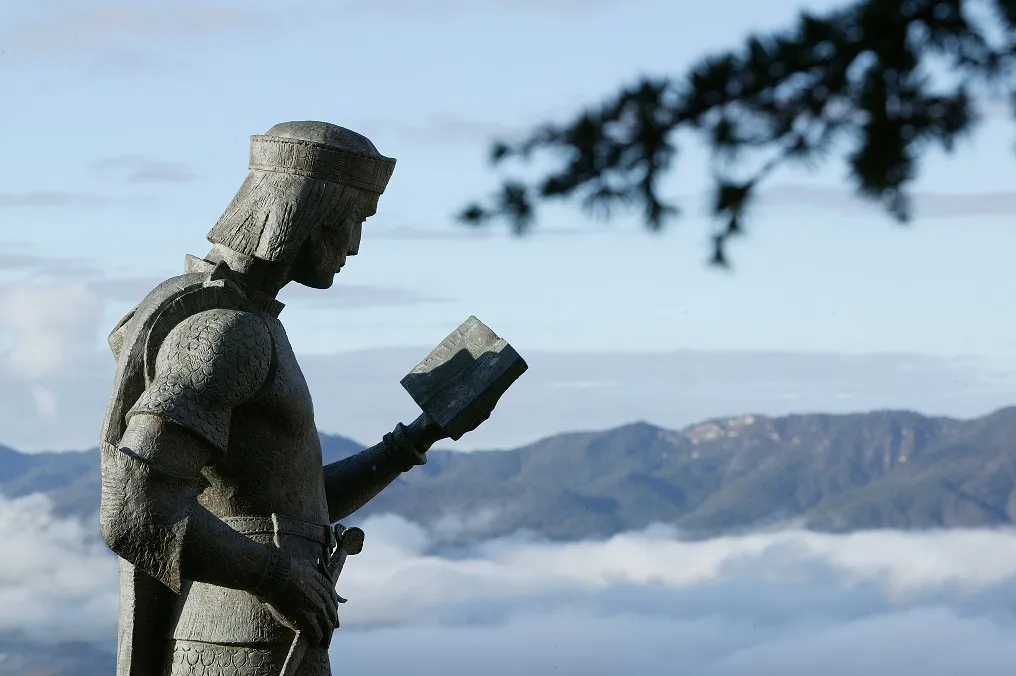
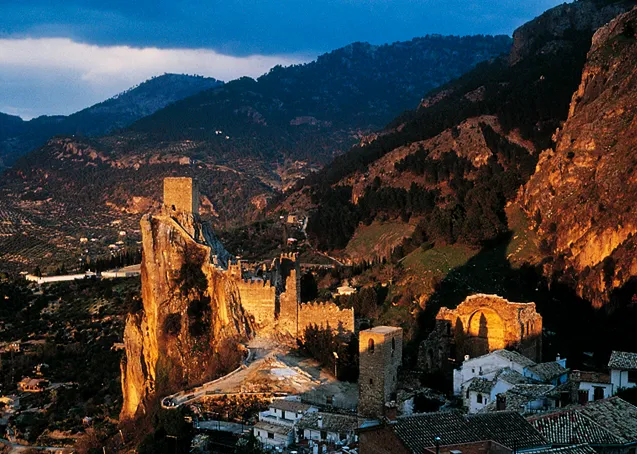
In the case of Segura, the situation is different, as the process of conquest was carried out through the Order of Santiago. In 1242 Fernando III donated Segura de la Sierra with all its terms to the Order of Santiago, turning Segura de la Sierra from that moment on into a sanctiaguist commission. In 1246, Segura became the seat of the General Assembly of Castilla, due to its economic and strategic importance, and this same year it was confirmed the power. Among his most important co-ordinators we can mention Rodrigo Manrique co-ordinator of Segura for much of the 15th century and father of poet Jorge Manrique.
alt
The Modern Age does not make many changes over the Middle Ages, although in general there is an increase in population and an expansion of crops. The forest was the other source of fundamental wealth, which caused its use to be regulated, as was the case in the Segura Envication, with the drafting of the Ordinances of the 1580 Common. In this period, these lordships are donated to noble families in the service of the Crown.
In general, the 17th century is considered a time of crisis and decline caused by the economic needs of the Crown, poor weather conditions, poor crops and epidemics. In the current province of Jaén, the epidemics of 1649 and 1685 were especially severe.
The Maritime Province and the French invasion
The 18th century is marked by the entry of the Bourbon dynasty and the beginning of the economic recovery inherited from the previous century. The vast forest wealth of these saws makes them a strategic resource of the Crown to provide raw material for the construction of large buildings, such as the Fabrica de Tabacos de Sevilla - the current headquarters of the Hipalen University - and the modernization of the naval fleet. The Segura Maritime Province was established, and the Minister was usually resident in Orcera, where the Marina Court was located, although the Ministry's headquarters were in Segura de la Sierra. It is noted that during this historic period it was the Spanish Navy that managed these inland territories.
The emergence of a new jurisdiction, the prohibition of traditional practices on the mountain, as well as the irregularities committed by some officials led to the response of neighbours through widespread fires such as that of 1763.
The end of the century was marked by a serious crisis in the whole kingdom, which resulted in the collapse from 1808 with the French entering the Iberian Peninsula. In these areas the presence of the French was timely, as they limited themselves to controlling the great cities and from them to carrying out punishment operations that resulted in looting, fires and the destruction of some defensive elements, as was the case with the castle of Segura in 1810.
The departure of the French was a major transformation, as the constitutional regime was introduced and the abolition of the Lordship was decreed. The creation of the provinces by Javier de Burgos integrates in the province of Jaén the former Segura Encomienda, the advance of Cazorla and the encomienda of Beas.
In 1836, during the Carlist War, the former Navy court in Orcera was burned and looted and the following year, the result of the decriminalization of Mendizábal,
religious establishments such as the monastery of Santa María de la Peña in Orcera, the church of the Merced in Cazorla or the convent of San Pedro de Alcántara in Villacarillo are closed.The state, great owner of the mountains
The Montes Ordinances in 1836 put the point and end to the Maritime Province, and the de-amortization of Madoz involves the privatization of some mountains. However, here it is the State that becomes the largest owner of the mountains that are now integrated into the Natural Park. This is an important differential factor of these saws in Spain as a whole and has been of major importance in their recent historical development and in the exploitation of their natural resources. These mountains are largely of public ownership.
alt
Throughout the second half of the 19th century there were numerous irregularities related to abusive short and fraudulent sale of mountains to individuals. This situation was almost always to the detriment of the vast majority of the population, which generated a panorama of social violence that encouraged journalist Luis Bello to publish in 1929 a famous article highlighting the data of 90.8% illiteracy in Santiago de la Espada.
War and emigration
During the Civil War, the province of Jaén remained faithful to the Republican constitutional government until its surrender on 28 March 1939. After the fight, the saws of Cazorla and Segura served as a refuge for many of the last anti-Franco guerrillas in the province, the well-known Maquis, highlighting places like Quesada or Santiago de la Espada.
Closely related to the forest wealth of these saws is the figure of the great mountain engineer Enrique Mackay, in charge of the management of the Cazorla mountains. After the Civil War he was expelled from his office for political reasons, and during his forced retreat in Cazorla he wrote his studies on mountain management, the principles of which remain in force.
The 1940s were a stage of repression of the defeated and of modest reconstruction in a few years marked by hardship and scarcity. The expansion of the railway leads to the eruption of RENFE by monopolizing the exploitation of forests, even on private farms, for the construction of rails for the railways. Reforestation also begins around the basins of the new reservoirs, such as the Tranco, opened in 1948.
From the 1950s, the only professional activity for a large part of the population will be emigration to other areas of the country, a phenomenon that remains in force as in so many other rural areas of the interior, despite the establishment of important public infrastructure and services. The population loss for the entire Natural Park and its area of influence has been no less than half of its population compared to 1940.
The natural park
The 1980s are marked by the end of logging by RENFE and the creation of the Natural Park of the Sierras de Cazorla, Segura and the Villas, which is proposed to preserve the impressive ecological and cultural heritage of these saerras and to promote sustainable tourism as a complement to traditional olive and livestock activities. The development of these last two resources has, over the last two decades, been based on two pillars: the economic support of the European Union and a clear commitment to improving the quality of products.
