Saltar al contenido principal

The Frontier Path

Submitted by brandcode_deweloper on
Breve descripción

ROUTE FROM LOPERA TO ALCALÁ LA REAL

MILITARY LANDMARKS ON THE LAST FRONTIER

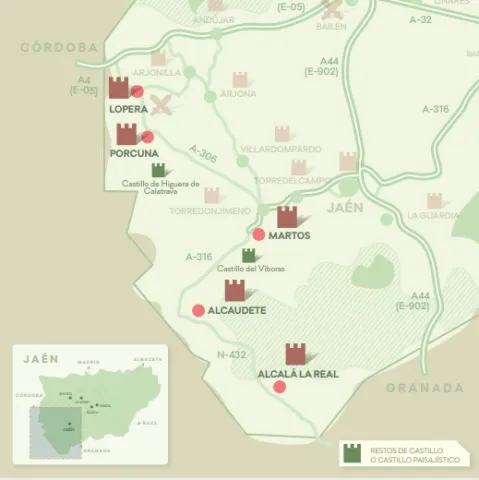
This itinerary, which includes some of the most striking examples of military architecture, follows the same north-to-south progression as the Castilian territorial advance: it starts in Lopera, passes through Porcuna, Martos and Alcaudete, and ends in Alcalá la Real. This final frontier features several castles belonging to the Order of Calatrava, including its main commandery in Martos, along with the fortress that, following the Castilian conquest of Jaén, became the most advanced outpost of the new kingdom: Alcalá la Real. 

Travellers thus gain insight into the organisation of the military orders and the process of military conquest that enabled the Kingdom of Castile to advance into the territory of the Nasrid Kingdom, culminating in 1492 with the capture of the city of Granada.

imagen
Image
mapa ruta 6
Imagen principal
Desactivado
Puntos del trazado
Latitud
37.94542
Longitud
-4.21463
Latitud
37.871
Longitud
-4.185
Latitud
37.723
Longitud
-3.965
Latitud
37.5881
Longitud
-4.0813
Latitud
37.4625
Longitud
-3.9228
Desactivado

Route card

Lopera Castle

Lopera

A KEY DEFENCE IN THE COUNTRYSIDE OF JAÉN

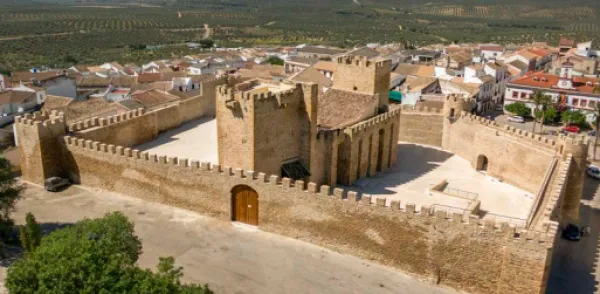
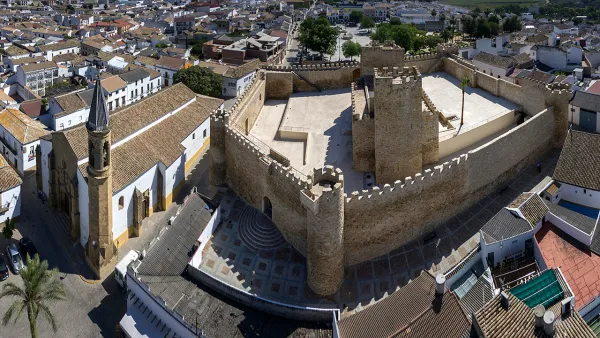
Its origins lie in a fortified church, which, after several interventions, was transformed into a castle-palace. Following the Castilian conquest, Lopera was granted, in 1240–1241, to the Military Order of Calatrava, giving rise to the Encomienda de Lopera. Its role as a frontier fortress in the advance of Castilian armies through the countryside of Jaén was crucial during the 13th and 14th centuries, regaining prominence in the second half of the 15th century — amid the noble power struggles that took place during the reign of Henry IV. 

The outer walled enclosure preserved today, with its irregular pentagonal layout and five solid corner towers, belongs to this later fortification. Between the late 15th century and the first half of the 16th, this fortified church was adapted into a castle-palace.

Imagen

Walls and Tower of Boabdil

Porcuna

THE PRISON THAT HELD BOABDIL

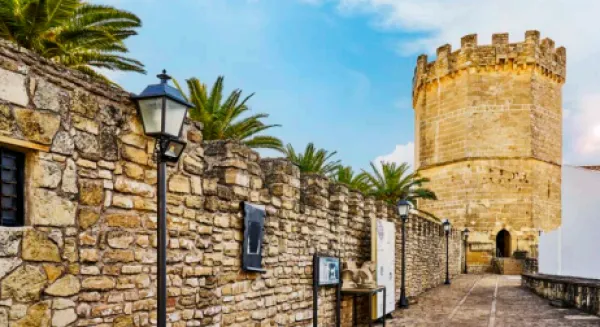
The town of Porcuna safeguards the remains of the walled enclosures that once defended the old city, the most representative surviving structure of this fortified complex being the Torre Nueva, with its octagonal floor plan, built in 1335 by the Order of Calatrava in Gothic-Mudéjar style, which now houses the Archaeological Museum of Porcuna. 

Popularly known as the Tower of Boabdil, as sources say he was held prisoner in Porcuna Castle after being captured at the Battle of Lucena, it is an octagonal tower in the Gothic-Mudéjar style, once attached to the castle's walls and structure, reaching a height of 28 metres.

Imagen

Castles of the Villa and of the Rock, Martos

Martos

POWERFUL FRONTIER STRONGHOLDS FOR CHRISTIAN EXPANSION

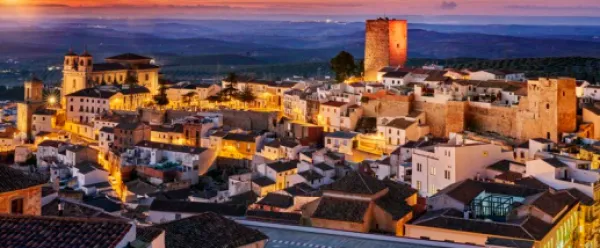
The legacy of Martos's powerful defensive past features two main structures: the Keep and the Almedina Tower of the Castillo de la Villa (13th century); and the remains of the Castillo de la Peña, belonging to the Order of Calatrava (an irregularly shaped citadel, difficult to access, surrounded by a walled enclosure that stands out above the present-day town). 

The fortresses of Martos played an important role as a frontier stronghold in the territorial expansion undertaken by Castilian armies during the 13th and 14th centuries. Later, in the second half of the 15th century, they once again gained prominence amid the noble power struggles during the reign of Henry IV. 

It was after its transfer to the Order of Calatrava by Ferdinand III, in 1228, that the defensive complex visible today was built.

Imagen

Alcaudete Castle

Alcaudete

A CALATRAVA STRONGHOLD AGAINST THE NASRID KINGDOM OF GRANADA

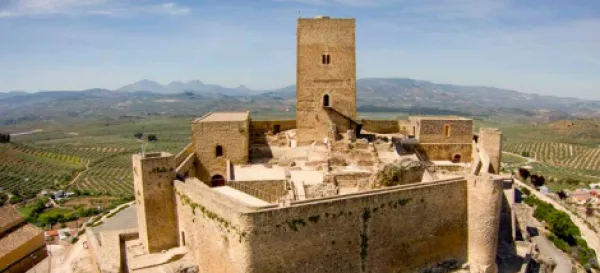
This castle was always a key stronghold, particularly during the second half of the 13th century, gaining major strategic importance along the frontier with the Nasrid Kingdom of Granada. This led the Castilian monarch Ferdinand III to hand it over, in 1246, to the Military Order of Calatrava, which would undertake extensive reinforcement of its defences.

The Almohad alcazar, with its polygonal layout and lined with towers and bastions built of rubble masonry and rammed earth, was restructured by the Order of Calatrava, which built a new fortress within it. During the Renaissance, having lost its military function, it was converted into a palatial residence, transforming the existing structures.

Imagen

La Mota Fort

Alcalá la Real

FROM ISLAMIC CITY TO ROYAL PATRONAGE ABBEY

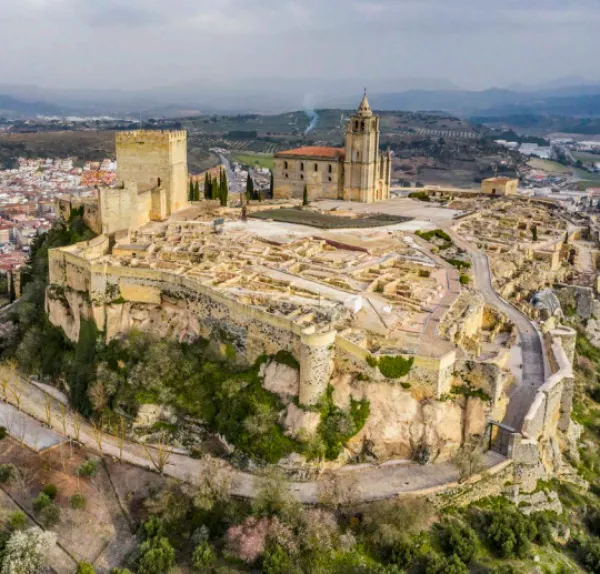
The Monumental Complex of the Fortaleza de la Mota stands imposingly on the skyline of Alcalá la Real.

La Mota is structured into three fortified enclosures: the madina, the alcázar and the arrabal (outer district). The complex rises from a steep, plateau-like hill covering almost three hectares, at an altitude of over a thousand metres, from where it controlled the routes connecting Granada and Almería with Córdoba and the highlands of the Guadalquivir.

The triangular alcázar is made up of three towers: the Keep, the Bell Tower (or Torre de la Vela) and the Torre Mocha. Around it lies the madina, occupying the entire plateau summit of La Mota. Among the towers of the walled enclosure, the Torre de la Cárcel stands out, built between the 14th and 15th centuries. Access to the interior of the enclosure was through a complex fortified system requiring passage through five gates, three of which still stand today: the Puerta de las Lanzas, the Puerta de la Imagen and the Puerta del Peso de la Harina.

The Iglesia Mayor Abacial, standing to the south of the alcázar, was built between the 16th and 17th centuries, on the site of the original church commissioned by Alfonso XI, of which only the Gothic funerary chapel of Dean Chirinos (15th century) remains. Other notable elements of the madina include the Casas del Cabildo Municipal and the Carnicerías (butcher's houses), both built in the 16th century. Cisterns and an ice house have also been preserved.

With the conquest of Granada, La Mota's defensive role came to an end, though it remained a centre of civil and religious power.

Imagen

Battlefields

Submitted by brandcode_deweloper on
Breve descripción

ROUTE FROM SANTA ELENA (LAS NAVAS DE TOLOSA) TO LOPERA

WAR MILESTONES THAT CHANGED THE COURSE OF HISTORY

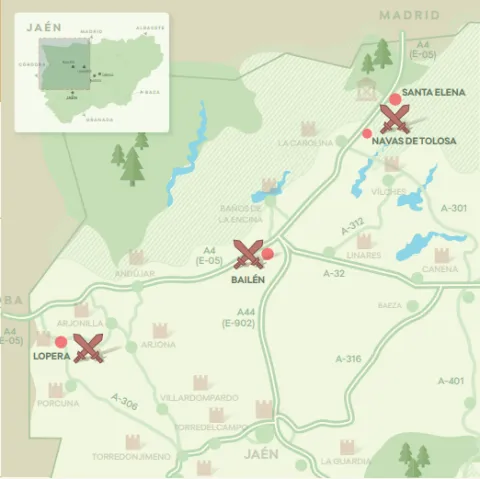
This adventure takes travellers to the sites of the three most significant battles that took place on the lands of Jaén: Las Navas de Tolosa (1212), Bailén (1808) and Lopera (1936).

The first two were especially momentous, as they determined the fate of the rivals they pitted against each other: in the first case, the Kingdom of Castile against the Almohad Caliphate; and in the second, Spain against France. The third is remembered, among other things, for the tragic fate of the international brigade members who took part, including the English poet John Cornford (great-grandson of Charles Darwin) and the writer Ralph Winston Fox. "Battlefields" highlights the province's geographical position, which has historically made it a strategic stronghold from the time of the Roman conquest of Hispania — with the Battle of Baecula (currently under study) — right through to the Spanish War of Independence in the 19th century. All three battles have a museum or interpretation centre where visitors can learn first-hand about the historical and military background of each and their consequences.

imagen
Image
mapa ruta 2
Imagen principal
Desactivado
Puntos del trazado
Latitud
38.3402
Longitud
-3.5398
Latitud
38.2858
Longitud
-3.5867
Latitud
38.09679
Longitud
-3.77656
Latitud
37.94542
Longitud
-4.21463
Desactivado

Route card

Battle of Las Navas de Tolosa

Navas de Tolosa

THE GREAT CRUSADE ON THE PENINSULA

The Battle of Las Navas de Tolosa on 16 July 1212, in the province of Jaén, represents one of the great events of medieval history on the Iberian Peninsula, owing to its significance in the advance of the Christian kingdoms over Al-Andalus.

The conflict was conceived as a crusade — preached by Pope Innocent III — and pitted an army of men from the peninsular kingdoms and from beyond the Pyrenees, led by the Christian kings Alfonso VIII of Castile, Peter II of Aragon and Sancho VII of Navarre, against the forces of the Almohad Caliph Muhammad al-Nasir, whose army brought together fighters from the Maghreb, sub-Saharan territories and Turkish contingents. The confrontation proved vital for the territory's future, as the Almohad defeat at Las Navas de Tolosa marked the beginning of the definitive conquest of Al-Andalus by the Christian kingdoms of the peninsula. It is precisely in the Despeñaperros Natural Park, a short distance from where the battle took place, that the Museum of the Battle of Las Navas de Tolosa can be found, specifically in the town of Santa Elena. This space guides visitors through the history of the conflict, from its build-up to the decisive confrontation, using audiovisual displays and staged scenes, educational workshops, and visits to the battlefield and the Despeñaperros Natural Park. It is also a starting point and information hub for the Castles and Battles of the Kingdom of Jaén route.

Imagen

Battle of Bailén

Bailén

NAPOLEON'S FIRST MAJOR SETBACK

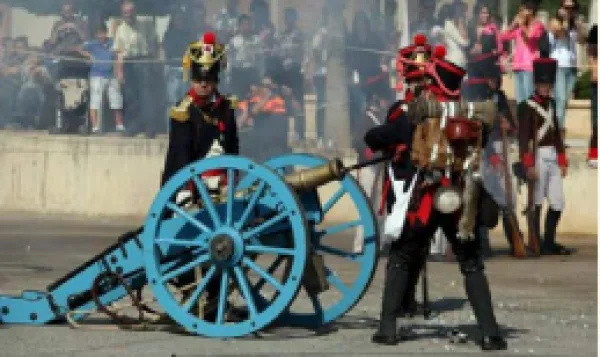
If there was one key moment in the later course of the War of Independence, it was the Battle of Bailén, on 19 July 1808, as it marked the first major defeat of the French imperial army against the Spanish side.

That day, Divisional General Pierre Dupont, after a long day of continuous, unsuccessful attacks — and with an army weakened by heat and lack of water — surrendered to the troops organised by the Captain General of Andalusia, Francisco Javier Castaños. The victory at Bailén had major consequences for the course of the war against the French, as it psychologically raised Spanish morale and, politically, supported the argument for the need to establish a single authority to lead the war. Militarily, it opened the way to Madrid, forcing Joseph I to withdraw to Vitoria. Thus began the first chapter of a war that would last until 1814. The Museum of the Battle of Bailén offers the chance to learn about this key episode in Spain's contemporary history and gain a historical overview of the War of Independence, through a journey through the six years of conflict and its consequences.

Imagen

Battle of Lopera

Lopera

THE BLOODY FRONTLINE BETWEEN TWO SIDES

During the early stages of the Spanish Civil War, the province of Jaén became a vital territory for controlling the route towards the north of the peninsula.

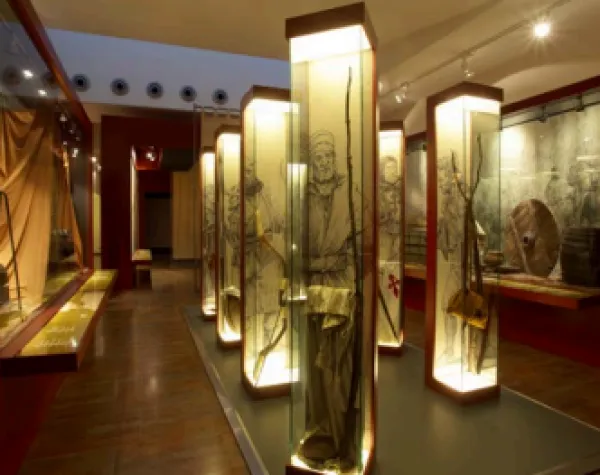
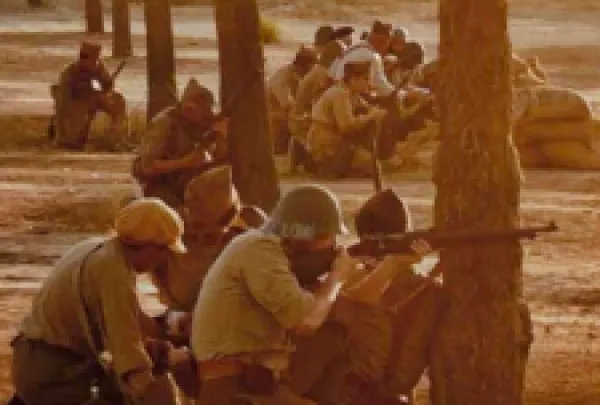
Lopera was one of the key towns in this reality, which kept Jaén on the front line for more than three years of conflict. In late 1936, the advance of the Francoist troops under Commander Redondo forced the Republican armies to block their path in the area around Porcuna and Lopera. In this latter town, the XIV International Brigade — led by General Walter, on the Republican side — clashed with the troops of Commander Redondo — on the side of the rebels. It was Christmas 1936. Because Lopera remained the dividing line between the two sides until the end of the war, visitors can find remains of trenches, machine-gun nests, bunkers, small forts, caves, shelters and more, scattered across the area. Lopera Castle houses a museum with an exhibition dedicated to the Civil War and to this battle.

Imagen

Miguel Hernández Literary Route

Submitted by brandcode_deweloper on
Breve descripción

A journey to encounter Miguel Hernández in the places where his words became life

Arriving in Jaén, following in the footsteps of Miguel Hernández, means immersing yourself in one of the most intense and luminous chapters of his life, even with the shadow of war surrounding it. The people's poet, barely thirty years old and with overflowing creative energy, found in these lands a human and natural landscape that left a profound mark on his work and his memory.

His stay was brief—only seventy-two days—but extraordinarily fruitful. Here he wrote some of his most vibrant texts, among them "Aceituneros," which has become the anthem of the province. In Jaén, you don't just observe the land he contemplated: you listen to it, you walk it, you feel it in your skin. And that emotion connects with the verses that still resonate in the identity of Jaén.

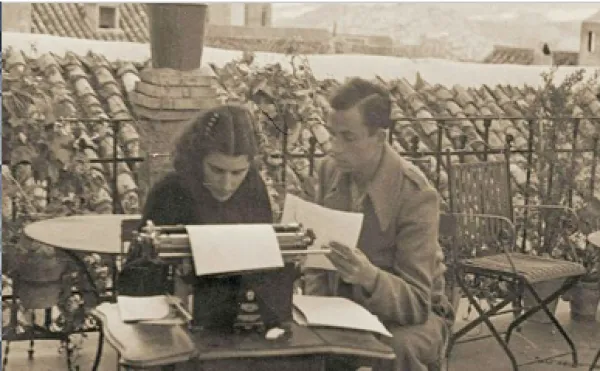
Assigned as commissioner of the Southern Front's public address system, Miguel traveled through streets, squares, and shelters, living among the people and narrating from within the most harrowing episodes of the conflict. Following his trail, you travel from the capital to Andújar or Lopera and discover the young and committed perspective that bore witness to a turbulent time, but also to a humanity forging its path amidst the noise of war.

Today, as you walk this route, you will find a Jaén that speaks to you and to history: squares that bear scars, shelters that hold silences, thermal baths where the poet strolled with Josefina Manresa, and corners where his clear and courageous voice still seems to echo. It is a journey that invites you to pause, to look calmly, and to feel how literature intertwines with the land.

Miguel Hernández Legacy Website

https://www.dipujaen.es/miguelhernandez

Imagen principal
Desactivado
Puntos del trazado
Latitud
37.769
Longitud
-3.790
Latitud
37.84338
Longitud
-3.06561
Latitud
37.94542
Longitud
-4.21463
Latitud
38.03924
Longitud
-4.05056
Desactivado

Route card

Jaén

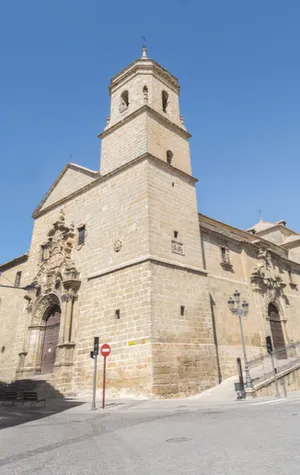
Basilica of San Ildefonso: Façade with shrapnel damage; a key point for understanding the poet's arrival in Jaén.

Poet's Residence and Headquarters of the Altavoz del Frente Sur (Voice of the Southern Front): On Llana Street (now Francisco Coello, 9). Here he lived with Josefina Manresa and worked as commissioner of the Altavoz del Frente Sur.

Plaza de Santa María (Jaén Cathedral): A space from which his perspective on the bombing of Jaén, reflected in his articles for Frente Sur, can be understood.

Plaza de los Naranjos (Orange Tree Square): The only place with a ceramic plaque dedicated to the poet, featuring verses from El último rincón (The Last Corner).

Air Raid Shelter in Plaza de Santiago: Built after the 1937 bombing; it allows us to understand the wartime context in which the poet lived.

Institute of Jaén Studies (IEG): It houses the Miguel Hernández Legacy, with thousands of documents, manuscripts, and images.

Jabalcuz Hot Springs: A place where Miguel Hernández used to go for walks and bathe with Josefina Manresa.

Imagen

Quesada

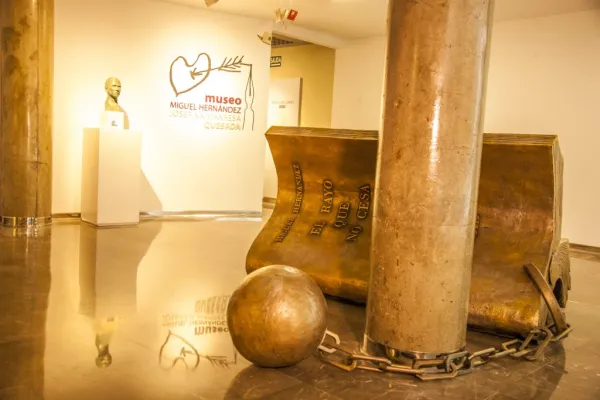
Miguel Hernández – Josefina Manresa Museum: The central space of the route in Quesada. It brings together a large part of the legacy of the poet and Josefina Manresa, with a chronological journey through their life, work, and human and social dimension.

Hernandian Corners: The historic center of Quesada becomes a literary stroll: narrow streets, white facades, and mosaics with verses, drawings, and texts by Miguel Hernández and Josefina Manresa. A vibrant and poetic way to explore the town.

Miguel Hernández Panels and Mosaics: Distributed throughout the municipality, especially in the Plaza de la Constitución, where large mosaics highlight the poet and Josefina's connection to Quesada.

Josefina Manresa's Birthplace: The house where Josefina was born on January 2, 1916. It is not open to the public, but it retains a ceramic plaque marking the location and its importance to local history.

Imagen

Lopera

Longitud del recorrido: 3km.

Duración estimada: 4h.

Tipo de ruta: A pie y en coche.

Lugares que componen la ruta:

Imagen

Andújar

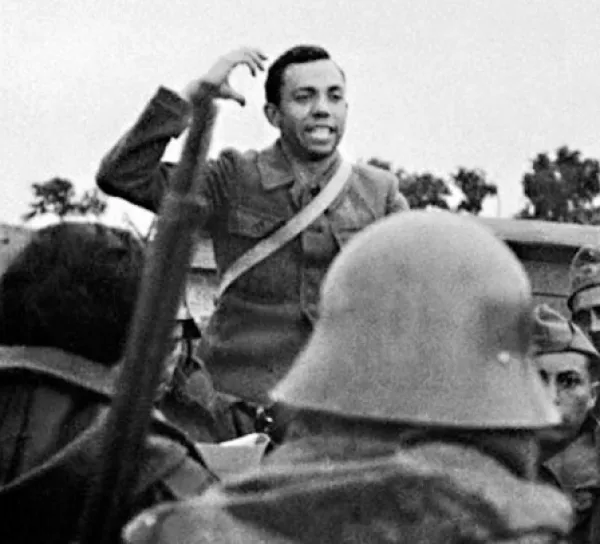
Sanctuary of the Virgin of La Cabeza was the scene of a fierce siege during the Spanish Civil War. Miguel Hernández, assigned to the Southern Front's propaganda unit, described the assault in his chronicles, narrating in detail the resistance that took place between September 1936 and May 1937. Photographs exist that confirm the poet's presence; some show him addressing the troops and others at the Republican command post.

This firsthand experience allowed him to accurately narrate the development of the siege, as he explains in On the Taking of La Cabeza. Letter and clarification, published in Frente Sur (no. 15, May 13, 1937): “I witnessed the fighting from the very beginning, although without pencil or paper… I prefer to relive it by remembering it.”

This passage reveals the poet in his most committed role: witness, chronicler, and emotional participant in one of the harshest episodes of the Civil War in Jaén.

Imagen

La Campiña Route

Submitted by brandcode_deweloper on
Breve descripción

La Campiña Route

A Journey Through the Golden Light of the Guadalquivir

When you enter the Campiña of Jaén, the landscape opens up like an old book. The land is flat and generous, and the Guadalquivir crosses it with the calm of one who knows all its secrets. Here, among wheat fields and olive groves, the Renaissance left a mark that can still be found today in quiet squares, proud towers and temples gazing towards the horizon.

This route takes you through cities that grew to the rhythm of trade and craftsmanship, places where everyday life mingled with the grandeur of a new age. Andújar, the most powerful of them all, welcomes you with the elegance of its churches and the strength of its history. Lopera, Porcuna, Arjona and Arjonilla complete a mosaic of towns where Renaissance architecture coexists with the intensity of the Baroque that followed.

Master craftsmen who shaped the 16th century worked in these lands. Vandelvira's influence can be sensed in details and layouts, but it was Francisco del Castillo "El Mozo" and his brother Benito del Castillo who gave form to many of the buildings you see today. They were joined by craftsmen and architects from Córdoba, leaving behind an artistic landscape full of nuance.

On this route through the Campiña, you will come across towns holding stories of frontier life, nobility and faith. It means pausing at a Renaissance doorway glowing in the evening light, listening to the echo of an old market, or discovering how the light settles on a tower that has watched over the valley for centuries.

Mengíbar: Where History Keeps Watch from Above

Arriving in Mengíbar, your first impression is shaped by its Torre de Homenaje, a stone giant rising more than thirteen metres above the village. It is the last remaining trace of the medieval castle and still seems to guard the secrets of these lands, where the legendary Roman Iliturgis once stood, on the nearby Cerro Maquiz.

At the foot of the tower, the Church of San Pedro reveals the mark of the Renaissance. Its interior, with three naves and groin vaults, follows the model that Vandelvira spread throughout the province. Although the church was completed after his death, his architectural spirit still lives on in every pillar.

Walking along Calle Jaén, you'll come across the so-called Casa de la Inquisición, with a late Classicist doorway and ironwork worth a closer look. These are details that speak of a prosperous Mengíbar, linked to the Guadalquivir and its old river port, from where timber coming down from the Sierra de Segura once departed.

From here, the route opens up towards the Campiña. You can continue towards Andújar or take a detour towards Bailén, with its Church of La Encarnación and its history linked to the famous battle of 1808.

If you choose this variant, a short detour will take you to Baños de la Encina, where the imposing Caliphate castle dominates the horizon. Its Renaissance palace-houses and the Church of San Mateo complete a striking monumental ensemble. And in the Ermita del Cristo del Llano, the Baroque camarín — a burst of polychrome plasterwork and mirrors — will surround you with unexpected beauty.

Cazalilla: A Small Stop with Medieval Soul

A few kilometres from Mengíbar, Cazalilla appears as a quiet village that preserves traces of its old fortress. What remains is a semicircular tower, now built into the Church of La Magdalena, whose Gothic interior and Renaissance renovations tell centuries of history. The Classicist doorway and its tall tower from 1627 complete a simple ensemble full of character.

Villanueva de la Reina: The Village that Always Looked to the River

In Villanueva de la Reina, you meet the Guadalquivir once again, here accompanying a village with Roman roots — the ancient Noulas — and a medieval past still visible in its layout. Its Church of the Immaculate Conception preserves Gothic arches and pillars, transformed in the 17th century with an elegant Classicist doorway and a tower crowned by a beautiful spire.

Facing the church, the Town Hall also displays the strength of the Renaissance in the Campiña, with a gallery of arches and a late-16th-century doorway. A further Classicist doorway from the Hermitage of San Nicolás has been incorporated into its façade, adding a historic touch to the ensemble.

Andújar: The Great Gateway to the Guadalquivir

In Andújar, you feel you are in the natural capital of the Campiña. The Guadalquivir has embraced it for centuries, and its history unfolds through wide streets, bright squares and temples that speak of a powerful past. It was a frontier city, a city of trade and craftsmen, and it experienced one of its brightest moments during the Renaissance.

The monumental heart of the city beats around the Church of Santa María la Mayor, where Gothic and Classicist styles coexist naturally. Nearby, the Casa de Comedias, the old Pósito (granary) and the Renaissance doorways scattered throughout the historic centre recall the city's prosperity in the 16th and 17th centuries. The mark of master builders such as Castillo "El Mozo" and his brother Benito appears in details, layouts and architectural solutions that define Andújar's identity.

Its noble houses, churches and old city gates speak of a city that grew to the rhythm of trade and the river. And in its surroundings, nature asserts itself strongly: the Sierra de Andújar, one of the great sanctuaries of the Iberian lynx, offers a landscape that contrasts with the serenity of the Campiña.

Marmolejo: Waters that Tell Stories

Following the course of the Guadalquivir southwards, you come across Marmolejo, a village that has always lived in dialogue with the river. Its medicinal waters, famous for centuries, gave life to a renowned spa that even inspired Palacio Valdés in the film "La Hermana San Sulpicio." Here, the thermal tradition is part of the landscape.

In the historic centre, the Church of Nuestra Señora de la Paz stands out for its sober elegance. Its Classicist doorway, typical of the 17th century, hints at an interior that has been renovated but is full of detail, such as the two 18th-century Baroque altarpieces that arrived from Benavente.

On the outskirts, the Bridge over the Guadalquivir, with its seven stone arches, stands as one of the most spectacular works along the river. It was built by Benito del Castillo in the late 16th century. Its harmony and strength will surprise you.

Within its municipal boundaries, the Castillo de la Aragonesa recalls the area's medieval past, later transformed into a grand estate with a Neoclassical chapel.

Lopera: A Castle Guarding Centuries of Memory

Leaving Marmolejo and heading west, the landscape leads you to Lopera, a village that grew under the protection of a powerful castle. Right in the town centre stands its late-medieval castle, once a fortress of the Order of Calatrava and today a Historical Monument. Its walls, once a noble residence, hold the calm of places that have witnessed many lives and many battles.

Facing it, the Church of Santa María — or de la Purísima Concepción — shows the transition from late Gothic to the Renaissance. Inside awaits a jewel: the Renaissance tomb of Doña Marina Fernández de Torres, the work of the Jaén sculptor Juan de Reolid, delicate and solemn, attached to the wall as if it wanted to become part of the architecture itself. Among its Baroque altarpieces, some Granada-school paintings and 18th-century goldwork add brilliance to the ensemble.

The Town Hall, although rebuilt after the Civil War, retains the sober monumentality of the 17th century, reminding you of the historical importance of the place.

Porcuna: Where the Past Emerges Like a Sculpture

Porcuna welcomes you as a place where the past surfaces at every step. The ancient Iberian Obulco left behind treasures such as the sculptures of Cerrillo Blanco, and the medieval city later rose around the Torre Nueva, or Torre de Boabdil, today a museum and symbol of its history.

In the Plaza de Andalucía, the Church of the Asunción combines its Renaissance sacristy with a Neo-Romanesque nave decorated by a young Julio Romero de Torres. The Town Hall, housed in the former 18th-century Pósito, completes this monumental space. Nearby, the Convent of San Benito preserves medieval capitals and doorways that recall the legacy of the Order of Calatrava.

A pleasant stroll leads to the Ermita de Nuestro Padre Jesús, with its Baroque camarín, and to the striking Casa de Piedra, built entirely of stone by local stonemason Antonio Garrido over almost thirty years.

And if you want to experience the more intimate side of Porcuna, simply head to La Calderona, one of the most distinctive archaeological sites in the municipality, known for its rich Iberian and Roman remains.

Arjona: The Hill Where a Dynasty Was Born

Arjona rises on a hill overlooking the Campiña and holds a history as deep as it is fascinating. It was the ancient Roman Urgavo, later a stronghold of the Order of Calatrava, and later still the birthplace of the Nasrid dynasty that ruled Granada. In the 17th century, it once again rose to prominence with the discovery of the relics of the martyr saints Bonoso and Maximiano, which turned the city into a place of pilgrimage.

The heart of Arjona beats in the Plaza de Santa María, where centuries of history converge: a large Arab cistern, the Church of Santa María — Gothic with Baroque additions — and the Sanctuary of the Martyrs, a late-Renaissance work by Juan de Aranda Salazar, with its crypt and 18th-century camarín. Around it, five 17th-century wrought-iron crosses are still preserved, witnesses to the old pilgrimages.

In the lower part of the town, other churches show the evolution of the Renaissance in Arjona. The Church of San Juan preserves an early Granada-Renaissance doorway and a surprising Modernist crypt built for the Baron of Velasco. The Church of San Martín retains its Renaissance tower with a ceramic-tiled spire, the work of Castillo "El Mozo." And the Neo-Gothic Church of El Carmen recalls 19th-century devotion.

Arjona will reveal its Nasrid past through architectural details and public buildings where a very distinctive Neo-Nasrid style emerges.

You can reach Arjona from Porcuna either via the direct route or by passing through Higuera de Calatrava, where the Church of the Purísima Concepción surprises with its twisted Renaissance pillars, before continuing on to Arjona through open fields and quiet villages.

Arjonilla: The Tower that Guards a Legend

Just eight kilometres from Arjona lies Arjonilla, a town that was born as an independent lordship in 1553 and which literature remembers for the tragic story of Macías "El Enamorado," imprisoned and killed in its castle. Of that Calatrava fortress, what remains today is the Torre de Macías, rising over the town as a symbol of love and destiny.

Nearby, the Church of La Encarnación shows the transition from Gothic to the Renaissance: medieval pillars and arches, a highly Vandelvira-style Doric doorway, and a Classicist tower linked to the style of Castillo "El Mozo." Inside, a surprising Visigothic altar stone used as an altar, 16th-century mural paintings and a valuable collection of Baroque goldwork await you.

In the small square of Santiago, the Ermita de la Virgen de la Cabeza preserves a splendid 16th-century Mudéjar coffered ceiling, while on the outskirts, the Ermita de la Soledad recalls Vandelvira-style models such as the one in Andújar.

Arjonilla also preserves a good number of 18th-century noble houses and an elegant Courthouse building, the former 17th-century Town Hall, reflecting the sober Classicism of the late Jaén Renaissance.

Lahiguera: A Quiet Hilltop in the Campiña

On the way to Jaén, and before returning to Arjona, you come across Lahiguera, a serene town set on a gentle hill overlooking the landscape. Its silhouette is defined by the Church of La Consolación, an early-16th-century temple that preserves the simplicity and harmony of the area's earliest Renaissance buildings.

It is a single-nave church, covered with a Mudéjar-style tie-and-collar-beam roof, a detail that adds warmth and authenticity. Its presence, sober and elegant, sums up well the character of Lahiguera.

imagen
Image
Ruta Campiña
Imagen principal
Desactivado
Puntos del trazado
Latitud
37.76922
Longitud
-3.79028
Latitud
37.9704337
Longitud
-3.8288265
Latitud
37.984
Longitud
-3.882
Latitud
38.0047885
Longitud
-3.9151847
Latitud
38.03849.
Longitud
-4.0516619
Latitud
38.045
Longitud
-4.171
Latitud
37.9438
Longitud
-4.2142
Latitud
37.871
Longitud
-4.185
Latitud
37.936
Longitud
-4.055
Latitud
37.9741
Longitud
-4.10685
Latitud
37.971
Longitud
-3.989
Desactivado

Route card

Mengíbar

A 20 Km de Jaén en dirección norte por la autovía E-902 o A-44, nuestra primera parada, Mengíbar, en cuyas inmediaciones se cree estuvo la célebre ciudad romana de Iliturgis, en lo que es el rico yacimiento arqueológico de Cerro Maquiz. La identidad del pueblo está sin embargo más con su potente Torre, único vestigio del castillo medieval, Torre de Homenaje de altura superior a los 13 metros con tres estancias abovedadas en su interior. Próxima a ella, la iglesia de San Pedro, representa la huella renacentista, pese a su moderna reforma de 1970. Obedece al modelo vandelviriano de templo de tres naves separados por pilares y bóvedas vaídas, iniciada además en vida del maestro aunque terminada después de su muerte, posiblemente por Alonso Barba.

Otra pieza arquitectónica a destacar es la llamada Casa de la Inquisición, en la calle Jaén, que luce una portada clasicista muy tardía, no anterior al primer cuarto del siglo XVIII. Es interesante la rejería de forja que tiene.

Mengíbar fue destacado puerto fluvial, a orillas del Guadalquivir, por su buena situación geográfica sobre todo por el transporte de la madera proveniente de la Sierra de Segura.

Desde aquí nuestros pasos se dirigen hacia Andújar, “capital” de la Campiña. Podemos hacerlo, bien sin abandonar la autovía E-902 hasta Bailén, ciudad universalmente conocida por la célebre batalla ganada a los franceses en 1808, y que tiene una iglesia parroquial digna de visitarse, la iglesia de La Encarnación, gótica pero con aportaciones clasicistas importantes, y desde allí por la Autovía E-5 o A-4 a Andújar, o por el contrario, seguir en paralelo al curso del río por la carretera J-3413 y después la A-6075 hasta enlazar con la E-5, opción por la que hemos optado.

No obstante, si se elige la ruta de Bailén, merece la pena desplazarse desde allí a la vecina Baños de la Encina, bien por la carretera local JA-4100 o por la E-5 y desvío en el Polígono industrial por la A-6100. La villa es famosa por su castillo, de época califal, Monumento Nacional desde 1931, y el conjunto de todo el núcleo con numerosas casas-palacio fechables entre el siglo XVI y XVII, y la iglesia parroquial de San Mateo, en la que se dan la mano el gótico, renacimiento y barroco. También es imprescindible visitar la Ermita del Cristo del Llano, declarada Monumento Nacional recientemente, obra barroca en la que sobresale su camarín, de yeserías policromadas y espejos, donde se venera la imagen titular.

Cazalilla

A pocos kilómetros de Mengíbar por la comarcal J-3413, pasamos por la villa de Cazalilla, surgida a la sombra de una fortaleza de la que queda como rastro parte de un torreón semicircular que sirve de ábside a la iglesia parroquial de La Magdalena. Su interior tiene arcos apuntados, que hablan de un templo medieval luego transformado entre el siglo XVI y XVII. La portada, sencilla, es de rasgos clasicistas al igual que la torre, muy elevada y construida en 1627.


Villanueva de la Reina

Llegamos de nuevo junto al Guadalquivir en esta población, que originariamente se llamaba Villanueva de Andújar, por pertenecer a dicha ciudad, pero que cambió su nombre en reconocimiento a Isabel II. El núcleo se asienta sobre una antigua fundación romana, Noulas, y después seguida con otro asentamiento medieval. La iglesia parroquial de la Inmaculada Concepción, muestra en sus arcos y pilares góticos ese origen si bien se transforma en la primera década del siglo XVII. De ahí su elegante portada clasicista y la torre con un bello chapitel.
Frente a la iglesia, el Ayuntamiento, muestra también a través de la galería de arcos y su portada clasicistas de finales del XVI o principios del XVII el arraigo del estilo en Jaén, siempre realizado en excelente cantería. Recientemente se ha incorporado a la fachada una portada, también clasicista, pero más tardía, procedente de la ermita de San Nicolás.


Andújar

Salimos de Villanueva por la comarcal A-6075 hasta alcanzar la autovía E-5, que nos lleva enseguida a la “capital” de La Campiña, que ya bajo el antiguo Régimen fue sede de Corregimiento. En su subsuelo se suceden todas las etapas históricas desde el Neolítico, pero los vestigios más antiguos son los restos de sus murallas medievales. La Andújar monumental se reviste, sin embargo, en su mayor parte de Renacimiento y los nombres de Andrés de Vandelvira y los Castillo, Francisco y Benito, están presentes en ella.

El mayor interés de la visita se concentra en torno a dos plazas próximas entre si: la de Santa María y la de España. La primera fue donde estuvo el primitivo ayuntamiento y el Pósito, cuyos solares ocupan hoy la Casa de la Cultura y que da como vestigio de la época la Torre del Reloj, fechada en 1534, ostenta el escudo imperial de Carlos V junto al reloj de sol primitivo. Posteriormente se le añadiría otro de esfera moderno. Frente a ella la iglesia de Santa María, templo iniciado en gótico, como revelan las bóvedas de los pies, su antigua cabecera, que en una reforma radical en el primer tercio del siglo XVI se invierte la orientación y se transforma en una basílica clásica. La obra, que se prolonga a lo largo de todo el siglo, registra varias fases; en la primera aparecen los maestros Velasco y Tolosa, siendo tasada por Andrés de Vandelvira. Después, a partir de 1560 será Castillo “El Mozo” el que se haga cargo. Contiene el templo piezas de gran valor artístico, como el cuadro de El Greco, “La Oración del Huerto”, en la capilla conocida por el nombre del pintor, y en la que hay una valiosa talla también de Cristo atado a la columna, procedente de la iglesia de Santiago, obra del primer cuarto del siglo XVI. Otra pintura destacable es la Inmaculada, de la capilla de los Reinoso, obra o copia del Caballero de Arpino. También son de reseñar las tres rejas de forja, igualmente renacentistas.

A través de la calle Feria desembocamos enseguida en la Plaza de España, presidida por el Ayuntamiento, antigua Casa de Comedias construida en el primer cuarto del siglo XVII, luego modificado en el siglo XVIII con un proyecto neoclásico. Al lado, la iglesia de San Miguel, que mantiene su estructura gótica, pero su portada principal es una de las más bellas muestras del primer Renacimiento en la provincia, y en su interior el cancel y sotocoro es una magnífica pieza de carpintería con relieves de corte manierista de finales del siglo XVI. La Sacristía, del siglo XVII, destaca por su bóveda ovalada, pintada con las efigies de los apóstoles, atribuidas a Antonio García Reinoso.

El resto de las iglesias parroquiales parten todas de proyectos góticos originarios, pero con modificaciones renacentistas o barrocas. La de Santiago, hoy cerrada al culto, tuvo una reforma del presbiterio firmada por Vandelvira. Asimismo guarda en la Capilla del Cristo a la Columna, cuya imagen la hemos visto en Santa María, una de las mejores muestras del barroco delirante de procedencia cordobesa, en los muros y bóveda de yeserías realizados por los hermanos Primo.

La iglesia de San Bartolomé, ya fuera de la muralla en la actual Corredera de San Bartolomé, modificó su cabecera con elegantes bóvedas vaídas realizadas por Castillo “El Mozo”.

Por su parte la iglesia de Santa Marina, hoy dedicada a espacio cultural, se transformó todo su interior en el siglo XVII.

El recorrido por el centro histórico de la ciudad depara agradables sorpresas. Sus calles bastantes rectas y estrechas para resguardarse del calor, se enlazan a menudo a través de plazoletas o “altozanos”, que funcionan a modo de rótulas, focalizadas por la atractiva fachada de una casa-palacio. Tomemos la calle Maestra, paralela a las murallas, a espaldas de la Plaza de España, desde el Altozano de la Virgen, junto a la Puerta del Sol y que nos lleva hasta el Altozano de Santa Ana, en ese recorrido llama nuestra atención la Casa de los Niños de Don Gome, construida en una torre de la muralla, dentro del estilo del renacimiento manierista que domina en Andújar, y poco más adelante otra casa-torre en esquina, la de los Valdivia, del mismo estilo y cronología. Ya en el Altozano de Santa Ana, la casa-palacio de los Cárdenas, hoy sede de los juzgados, con capilla adjunta, es tal vez el mejor ejemplar de ese estilo que usa el almohadillado en las portadas, diseño de los Castillo, y que quedará ya como un signo identificador de la arquitectura civil andujareña hasta el siglo XVIII, repitiéndose por toda la ciudad.

La calle Ollerías, la calle más ancha y arteria comercial, marca el límite de las murallas y en ella o junto a ella se abren algunas fundaciones religiosas como la del Hospital de San Juan de Dios o la de las Monjas Trinitarias, en la vecina calle 22 de Julio, que data de finales del siglo XVI, y que contiene importantes obras de arte. En un borde de la ciudad, también, está el Colegio de los Jesuitas, frente a Santa Marina, convertido hoy en hospital, con una magnífica escalera barroca del siglo XVIII. Y algo más alejada del borde, los conventos de Jesús y María, de las monjas de San Francisco de Paula, uno de los más antiguos de Andújar, que luce en su iglesia un bellísimo artesonado mudéjar de forma ochavada, o el de las Capuchinas, actual Museo de Escultura “Antonio Orea”.

Fuera de la ciudad, en plena Sierra Morena, la Basílica y Real Santuario de Nuestra Señora de la Cabeza, la cual está declarada Fiesta de Interés Turístico Nacional, es la gran referencia andujareña por su famosa romería a finales de Abril, la más popular de toda Andalucía hasta la más moderna emergencia del Rocio de Huelva. A ella se refieren Cervantes y Lope de Vega. Después también célebre por el episodio de la Guerra Civil de 1936. El edificio, pese a haber sido reconstruido tras la Guerra, conserva la estructura de una nave cubierta con un gran cañón, que fuera proyectada por Andrés de Vandelvira en 1565. En esas fechas la ciudad se engalana para recibir a las numerosas cofradías que acuden desde muy diversos puntos de España.

En Las proximidades de Andújar, Los Villares de Andújar, se asienta sobre un enorme e importantísimo yacimiento romano de producción de “terra sigillata”, cerámica que se exportaba fuera de la Península. Esa tradición ceramista se conserva a través de la elaboración de artísticas piezas barrocas, como son sus famosa jarras. Un buen recuerdo para llevar de nuestra visita a Andújar.

Absolutamente recomendable es tapear en los bares de Andújar y no irse sin probar la carne de caza, ciervo o jabalí, en la que se especializa la cocina andujareña.


Marmolejo

Esta cercana población a Andújar se halla aguas abajo del Guadalquivir. Para llegar allí nos podemos desviar de la E-5, dirección Córdoba, tomando la carretera A-6176. Marmolejo es famoso por sus aguas medicinales, que han dado origen a un famoso Balneario, inmortalizado por Palacio Valdés en su novela “La Hermana San Sulpicio”.

Monumentalmente, la iglesia de Nuestra Señora de la Paz, es la pieza más destacable dentro del casco histórico; templo de comienzos del siglo XVII, como delata el clasicismo de su sencilla portada. Reformada modernamente, tiene dos retablos barrocos del siglo XVIII, procedentes de Benavente (Zamora).

Algo distanciado, el Puente sobre el Guadalquivir con sus siete ojos, es obra de Benito del Castillo, a finales del XVI y uno de los más espectaculares de este río.

En su término, es de destacar el Castillo de la Aragonesa, fortaleza medieval transformada en una gran hacienda con capilla neoclásica Marmolejo celebra con gran esplendor la Fiesta del Corpus. Un buen momento para acercarse.

Marmolejo celebra con gran esplendor la Fiesta del Corpus. Un buen momento para acercarse.


Lopera

Regresamos a E-5, dirección Córdoba, para dirigirnos a Lopera, desviándonos de ella para tomar la A-6175.

De este importante enclave militar de la Orden de Calatrava que da como testigo principal su Castillo bajomedieval, declarado Monumento Histórico, situado en el centro del pueblo, adquirido por la familia Valenzuela en 1856. Castillo residencial con capilla, allí estuvieron hasta la Guerra Civil dos tablas de Pedro Machuca.

Frente al castillo la iglesia de Santa María o de la Purísima Concepción, realizada en el estilo gótico tardío de finales del siglo XV y principios del XVI. En su interior es de destacar el Sepulcro de doña Marina Fernández de Torres, obra renacentista de mediados de siglo XVI, del tipo adosado al muro, del que es autor el escultor jiennense Juan de Reolid. De sus retablos barrocos, muy reformados, se conserva alguna pintura de escuela granadina reseñable y sobre todo algunas piezas de orfebrería barroca de finales del siglo XVIII.

El Ayuntamiento, aunque reconstruido tras la Guerra Civil, ofrece su estructura originaria del siglo XVII, sobrio, pero de evidente monumentalidad.

Muy conocidas en razón de su popularidad festiva, más que de su arquitectura, son las Ermitas de Jesús y la del Humilladero, por las dos imágenes de crucificados que guardan; una mayor,el Cristo de la Veracruz, en la de Jesús, y otra menor, la del Humilladero, el “Cristo Chico”,que dan origen a la “Fiesta de los Cristos” a finales de Agosto.

Lopera tiene fama por sus melones y sobre todo por el vino amontillado, el “Herruzo”, de gran calidad.


Porcuna

Abandonamos Lopera por la misma carretera, A-6175, camino de la cercana Porcuna, la antigua Obulco ibera, que ha proporcionado el espléndido conjunto de esculturas del yacimiento de Cerrillo Blanco (Museo Provincial de Jaén). Asentamiento romano importante sobre el que se configuró la Porcuna medieval, dominada por un castillo de la Orden de Calatrava cuyo perímetro abarcaba la amplia plaza actual de Andalucía en la que sitúa la iglesia y el ayuntamiento. Testigo de la fortaleza medieval es la Torre Nueva o Torrre de Boabdil, por ser tradición que en ella estuvo preso el rey granadino; construcción gótico-mudéjar del siglo XV, en cuyo interior se ha instalado un Museo de contenido arqueológico.

La iglesia de la Asunción, destaca en la Plaza de Andalucía, por su definido estilo neorrománico con que fue proyectada por Justino Flórez a fines del siglo XIX, sobre otra renacentista de la que sólo resta la Sacristía, realizada por Benito del Castillo. Del templo moderno cabe destacar las pinturas murales de un joven Julio Romero de Torres, poco conocido como pintor religioso y muralista.

En la misma Plaza, el actual Ayuntamiento es una rehabilitación del antiguo Pósito del siglo XVIII. Fuera de este núcleo central, merece ser conocido el antiguo Convento de San Benito, patrón de la ciudad y santo muy vinculado a la Orden Calatrava por tener en Jaén un Priorato de su mismo nombre. Conserva estructura y formas medievales en capiteles y puertas de acceso, fechables en el siglo XIII.

Otro punto de referencia es la ermita de Nuestro Padre Jesús, al fondo de un bonito Paseo, donde se venera la imagen homónima de mucha devoción, en su camarín barroco del siglo XVIII.

Antes de llegar a esta ermita, en el citado Paseo, se encuentra la “Casa de Piedra”, capricho extravagante del cantero local Antonio Garrido, que la levantó a sus expensas y con su trabajo personal, construyendo hasta el más pequeño elemento todo en piedra, tarea en la que invirtió veintinueve años (1931-1960), dentro de un estilo indefinido, exaltación de un oficio, el de la cantería, de tanta raigambre en Jaén (es visitable).

Porcuna engalana sus calles con motivo de la festividad del Corpus, pero muestra su mayor explosión de alegría con motivo de la Romería de la Virgen de Alharilla, el segundo domingo de mayo, con multitudinario desfile de cabalgaduras y coches a la cercana ermita, camino de Arjona, a donde encaminamos nuestros pasos.


Arjona

Ciudad cuna de la dinastía nazarí, que rigió los destinos de la Granada musulmana, fue en origen un importante asentamiento romano: Urgavo o Urgavo Alba. Después plaza fuerte de los calatravos y finalmente lugar sacralizado en el siglo XVII cuando el Obispo Moscoso y Sandoval impulsó la excavación y descubrimiento de los Santos Mártires de Arjona, Bonoso y Maximiano.

La mayor parte de todos estos hitos históricos tienen por escenario la actual Plaza de Santa María, en la cota más alta de la población, que se corresponde con el alcázar medieval y donde se halla un gran aljibe árabe, y dos templos: la iglesia de Santa María, la más antigua de Arjona, de traza gótica, con añadidos de época barroca, pero reformada tras la Guerra Civil. Frente a ella el Santuario de los Mártires, construido en 1634 en conmemoración de los hallazgos de las reliquias de Bonoso y Maximiano; templo sencillo de dos plantas, iglesia y cripta, proyecto de Juan de Aranda Salazar, dentro de su estilo tardorenacentista, aunque el camarín data del siglo XVIII.

El éxito de las reliquias promovió la creación de cofradías en muchos pueblos, que peregrinaban hasta aquí para rendir culto y dejando como testimonio cruces de forja, que eran erigidas en el entorno de la iglesia, de las que hoy subsisten cinco, fechadas en el siglo XVII, de valor histórico y artístico.

Descendiendo a la parte baja encontramos las huellas renacentistas en otras tantas iglesias, que iniciadas todavía dentro del gótico, tuvieron transformaciones significativas en el siglo XVI. La iglesia de San Juan, renovada casi por entero en ese momento, sin embargo conocería en el siglo XIX otra nueva modificación neohistoricista, que es la que presenta, pero aun queda su portada principal dentro del estilo del primer renacimiento granadino, dentro de la escuela de Siloé. En el interior, merece ser visitada la capilla y cripta del Barón de Velasco, obra de principios del siglo XX, proyectada por Justino Flórez, con esculturas de José Capuz, y bóveda con mosaicos de estilo “neobizantino”.

La iglesia de San Martín, que domina un amplio espacio donde se situaba el antigua ayuntamiento, que tenía galería o logia de tipo renacentista, no conserva del siglo XVI más que la torre, con un esbelto chapitel, chapado de cerámica, obra de Francisco del Castillo “El Mozo”, fechado en 1566, y un escudo en el exterior del obispo Delgado, que concuerda con la fecha anterior.

Curiosa resulta también la iglesia del Carmen, templo votivo mandado construir por don Isidoro Pérez de Herraste, a finales del siglo XIX, dentro del estilo neogótico imperante con una torre, réplica de la torre mudéjar de Santa Ana de Granada.

Por razones obvias el estilo “neoárabe” o más exactamente “neonazarí” aflora en edificios públicos significativos como el Salón de Plenos del actual Ayuntamiento.

Para llegar a Arjona desde Porcuna podemos elegir otra ruta alternativa: Tomar la A6052, a la misma salida de Porcuna, que nos lleva a HIGUERA DE CALATRAVA, donde podemos ver la iglesia de la Purísima Concepción, transformada su fábrica gótica en otra renacentista de fines del siglo XVI por Benito del Castillo. Resultan muy llamativos los dos pilares torsos junto a Presbiterio.

Desde Higuera, por la JA-3402, enlazamos con la A-321 y en el cruce del Pilar de Moya tomamos la A-306 que nos lleva a Arjona, pasando por Escañuela.


Arjonilla

A 8 Km de Arjona por la carretera A-6176 llegamos a esta villa emancipada de Arjona en 1553, famosa literariamente por haber sido encarcelado y muerto en su fortaleza Macias, “El Enamorado”, una de las más célebres leyendas de amor.

De aquel castillo calatravo, casi sólo resta la Torre del Homenaje, conocida como Torre de Macías.

Aparte de esta elevada torre envuelta en leyenda, otra torre también muy visible y de factura clásica es la de la iglesia parroquial de La Encarnación, templo iniciado a comienzos del siglo XVI con factura gótica en arcos y pilares, que a lo largo de su construcción fue adoptando soportes y otros elementos renacentistas, aunque se cubriera la nave principal con armadura mudéjar, hoy oculta bajo la bóveda de yeso barroca. Las formas clásicas triunfan en la portada principal y en la citada torre que se eleva sobre ella. La portada, dórica, es muy vandelviriana; sin embargo, la torre presenta un aparejo almohadillado, que la vincula con el arte de Castillo “El Mozo”, tan activo con los calatravos

La iglesia tiene por ara de altar un ara Visigoda, testigo de un importante asentamiento en el término municipal de Arjonilla. También llama la atención las pinturas murales descubiertas recientemente, dentro del estilo de finales del siglo XVI, próximo a los Raxis, y una buena colección de orfebrería barroca.

Cerca de la iglesia, en la plazoleta de Santiago, la ermita de Santiago o de la Virgen de la Cabeza, luce un espléndido artesonado mudéjar del siglo XVI. Y en las afueras la ermita de la Soledad, antigua parroquia de Santa María de Valrico, muestra una estructura similar a la de la Virgen de la Cabeza de Andújar, que vimos de Vandelvira.

Otras ermitas como la de Jesús Nazareno y la de San Roque, barrocas ambas, han sido muy reformadas.

Si es de destacar, aparte de un buen número de casas señoriales del siglo XVIII, dispersas por el casco histórico el edificio del Juzgado, antiguo Ayuntamiento, de la segunda década del siglo XVII, concebido dentro del clasicismo del último Renacimiento de Jaén.


Lahiguera

Regresamos de Arjonilla por la A-6176, pero antes de llegar a Arjona nos desviamos en el cruce con la A-305 y poco más adelante con la A-311, dirección Jaén, y al paso encontramos esta villa encaramada en una suave loma donde se destaca su iglesia parroquial de la Consolación, templo de principios del siglo XVI del tipo más sencillo de una sola nave cubierta con armadura de par y nudillo de tradición mudéjar.