Saltar al contenido principal

Castellar

Submitted by brandcode_deweloper on
Id
727183
Perfil de redes sociales
Facebook
https://www.facebook.com/excmo.ayto.castellar
Twitter
https://twitter.com/aytocastellar
Instagram
https://www.instagram.com/ayto.castellar/
Descripción
Breve descripción

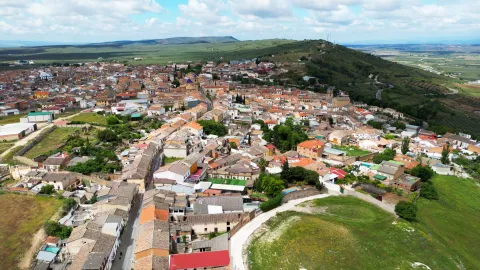
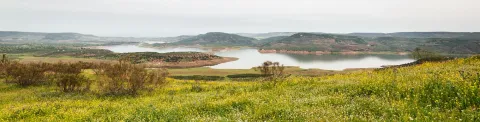
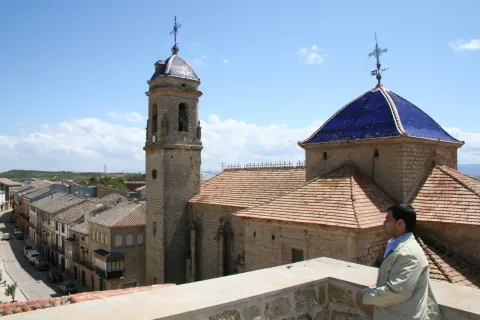
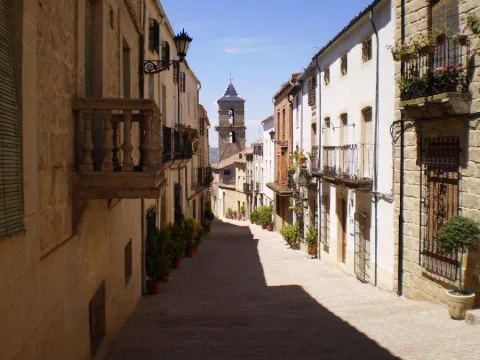
Castellar is a municipality in the north-eastern part of the province of Jaén. It is located in the central part of the district of El Condado, between the mountain ranges of La Loma and Sierra Morena.

The crops occupy more than half of their municipal term and are located to the south, where the olive grove predominates, although the Vega del Guadalquivir gives rise to horticultural, industrial and forage crops. The main activity is in agriculture and in particular in olive farming.

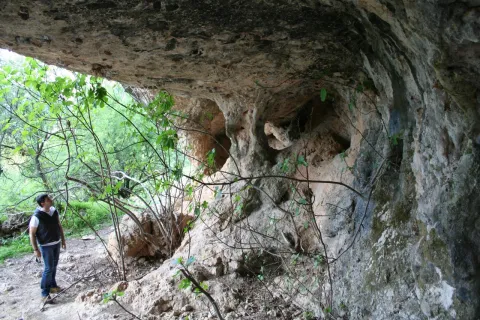
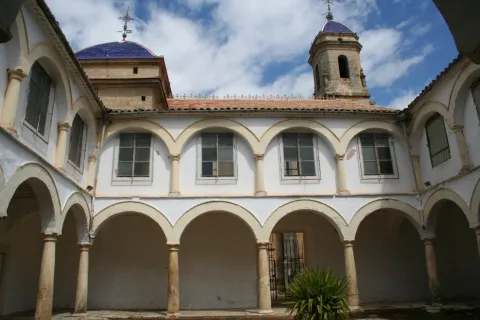
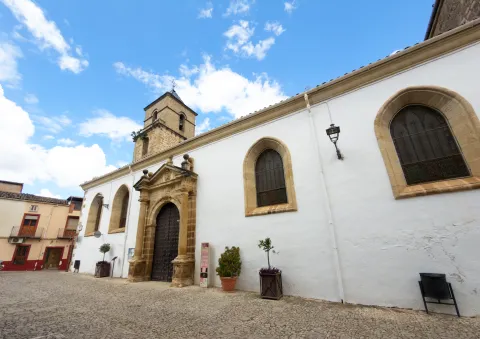
This municipality has witnessed the passage of millennial cultures that have left its mark. The rupestre sanctuary of the Cave of the Lobera where remains of the Iberian era have been found, and the 17th-century ex-collegiate Church of Santiago, which has been declared a Historical-artistic Monument in 1983, is noteworthy.
Telecomunicaciones
Teléfono
953 460 005
Sitio web
www.castellar.es
Fax
953 460 006
Correo electrónico
info@castellar.es
Ubicación
Nombre
Castellar
Latitud
38.251690
Longitud
-3.131480
Distrito
Municipio
Ubicación en el mapa
POINT (-3.13148 38.25169)
Imágenes
imagen
Image
62138201-faa9-3c39-b466-c842034c7b2d?t=1617623743189
Imagen principal
Desactivado
imagen
Image
45effd2a-8662-3921-c160-ec621270acc1?t=1594657620241
Imagen principal
Desactivado
imagen
Image
d7ca5134-6c43-1033-5bd4-fd66d29903f1?t=1617623743257
Imagen principal
Desactivado
imagen
Image
e4b3a80e-476d-092c-d0ec-2005f348ffa8?t=1617623743320
Imagen principal
Desactivado
imagen
Image
1303f3fd-29bd-5937-e9a9-722618a26dee?t=1617623743388
Imagen principal
Desactivado
imagen
Image
30b4529e-0e6c-ebd1-44f5-0c366ace828b?t=1617623743463
Imagen principal
Desactivado
imagen
Image
294387e5-91e3-def1-a9b4-48c35ec956b6?t=1617623743578
Imagen principal
Desactivado
imagen
Image
8fedaf5c-26e2-acbd-fc31-3fe132b1125f?t=1617623743638
Imagen principal
Desactivado
Imágenes cabecera
imagen
Image
castellar
Imagen principal
Desactivado
Datos de interés

Tourist area: Sierra Morena / Sierras de Andújar and Despeñacolos
Distance to the capital (km): 110
Altitude over sea level (m): 757
Extension (km ²): 157
Number of inhabitants: 3,654
Gentillo: Castellariegos, Castellarenses or Alcucillas
Postal code: 23260

Videos
Video file
Cultura
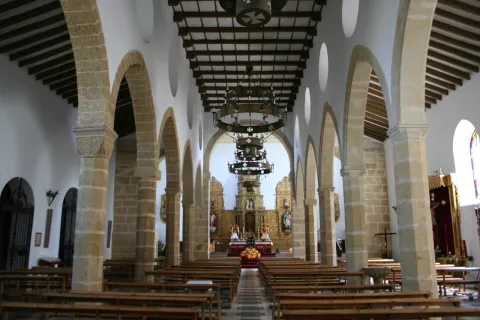
  • Former Collegiata de Santiago, declared an Artistic Historical Monument, is a sober construction of elegant proportions dating from the 17th century. In 1692 he was raised to the rank of a collegiate by Pope Inocencio XII.
  • The parish Church of Our Lady of the Incarnationsettled on an old Visigode castle rebuilt in the 10th century by the Arabs and whose torreon served as the base of the tower of the present temple. Its interior is protogotic (14th century), but its cover is neoclassical from the 17th century.
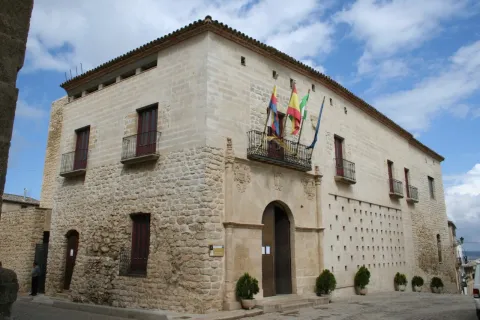
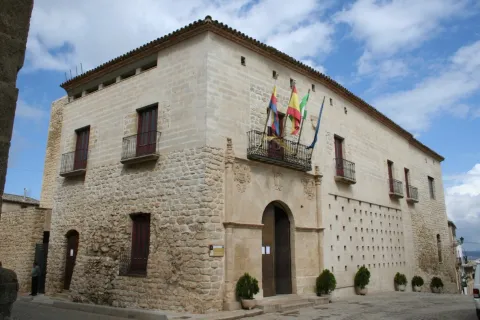
  • Palace of the House of Medinaceli, 16th century Renaissance palace, current city hall.
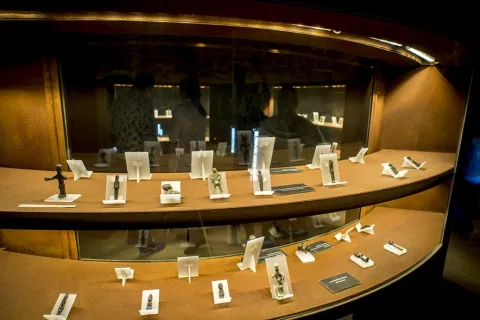
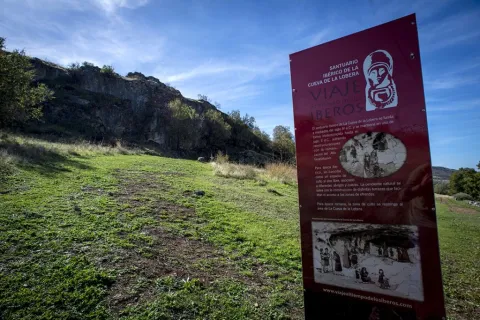
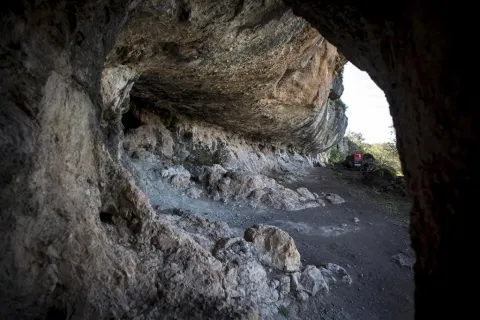
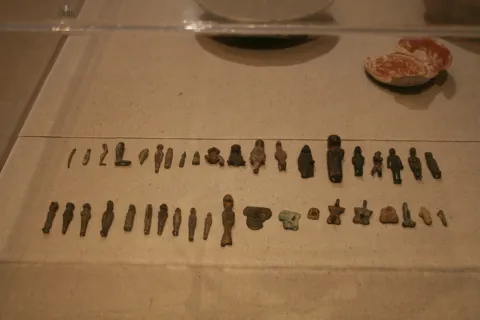
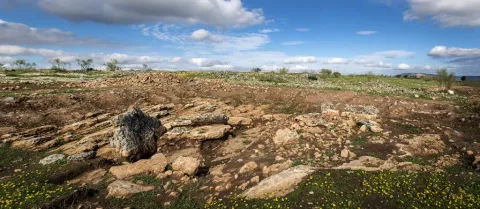
  • The Iberian Sanctuary of the Cave of the Loberalocated 1.5 km. de Castellar, on a rocky ledge that houses caves that were used as houses in past civilizations, is an emblematic settlement of Iberian archaeology. Place known as Altos de Sotillo, numerous bronze exvotes from Iberian times have been found, which can be visited at the Iberian Sanctuary Museum.
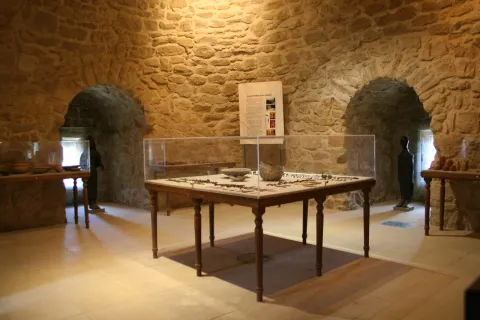
  • The Museum of Iberian Art, popularly known as the Museum of the Exvote, it is located within the 14th century tower of tribute, known as the Pallarés Castle. It presents one of the largest collections of exvotes exposed to the public.
  • The House of the Diez Family, is a living-16th century palace of which stands out its plateresque cover carved in stone and topped with an imposing shield.

Naturaleza

The municipal term of Castellar has a very irregular form, in the north-south direction it reaches 39 km, while in the east-west it does not reach 10 km. of a maximum width of less than 0,5 km near the Montizon River.

The northern part of the term, known as Sierra del Oro, is mountainous and belongs to Sierra Morena. It presents the typical Mediterranean forest, steep and pedestal areas.

The characteristic fauna is the same as that of Sierra Morena, in which the cynetic species abound: deer, boars, goos, foxes, rabbits, partridges...

The flora is made up of low mountain and native Mediterranean forest: oaks, juniors, madroños, acuches, complaints...

South of the municipal term, being part of the Guadalquivir basin, extends the valley area, more suitable for the cultivation of olive trees, pastures, forage plants and garden areas.

Fiestas y Eventos

Among the main festivities, we will mention the following:

  • Great Fair, is held in August, from 10 to 15, are its patron parties, in which the bull, with different taurino shows, is the protagonist of these parties.
  • San BenitoOn March 21, the Spanish people celebrate the feast of their patron. This day, the saint, is moved to his hermitage as a form of romance in the midst of different religious and playful activities.
  • Our Lady of Consolation, patron of the town and is held from 1 to 3 May. There is a rosemary with the later transfer of the patron to the town.

Gastronomía

The gastronomy of Castellar is rich and varied, its base being the olive oil.

Its inhabitants presuppose to produce the best triguero or campero asparagus in the province, and prepare them in many ways.

The most traditional dishes are not missing:

  • Calandrajoswith either hare or cod. In other places they are called rags, rags or wink.
  • The Galians, which makes us think this has been a land of transhuman shepherds.
  • "Ajoharina", it's a stew of vegetables, potatoes and flour with pepper.
  • "Ajopringue"and consists of the liver of pig seasoned with spices and "print"either pork butter or olive oil.
  • "Gachasmigas"It's a great breakfast for the men who were going to do a hard job in the field.
  • Other variants, where "garlic" means "crushed": "Burn." and "Hairdresser".

Within the traditional sweetness, stand out the entangled, stained olives, roses of spirit and olive oil, flowers, drunks, papajotes...

The work on olive wood is worth noting.

Historia

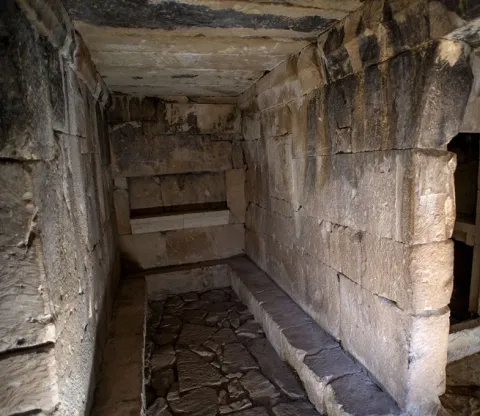
The archaeological vestiges located in its municipal term go back to the Neolithic, and one of the most interesting findings is that of the Cave of the Sima, with a collective burial set.

Castellar was an important place in the time of the Iberians, as it was in the territory of the Oretania, and here is located one of the great centres of worship of the Iberians, the Rock Shrine of the Cave of the Lobera, located in the Altos del Sotillo.

From the period of Roman domination there have also been found a multitude of vestiges and settlements characterized as the sites of Campillo and El Dorado.

It was one of the first localities conquered by King Fernando III by the Nazari Muslims in 1226. During the Middle and Modern Ages, Castellar was linked to the Casa de los Benavides. Under his patronage, the collegiate of Santiago Apostolo is built.

This dynasty of the Benavids, would become condes in 1473, and its county comprised three villages: Navas, Castellar and Santisteban. Conflicts between the three localities over disputes over common land membership were very frequent and would continue for a long time. They would be ended in 1978 with the "Scripture of Concord".

Otra información

It should be noted that in Castellar there is an important shellfish factory, even if it seems to be a contradiction for being this town of the earth inside. From this factory, high quality seafood are produced and distributed from the most distant coasts.
Loading map
Preparing points of interest and routes...
Imagen principal
imagen
Image
castellar
Imagen principal
Activado

Toya and Hornos Princely Tombs

Submitted by brandcode_deweloper on
Id
308552
Descripción
Descripción larga

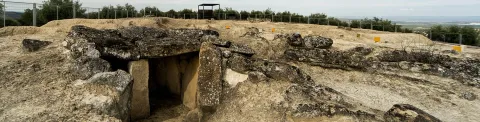
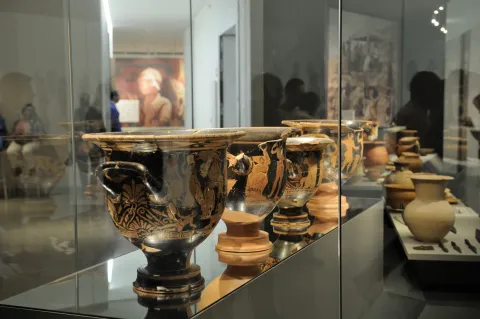
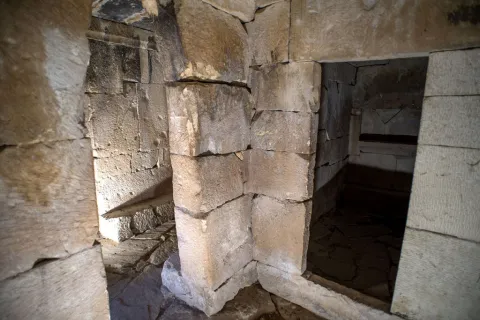
The camera has rectangular floor with three ships. The greater than the sides, and these to the right and left, have an antecedent that is accessed by false arches with simulated capitel in their jambas. In the interior of the receptacles we can observe banks and poyetes to deposit the cineries and the joules. The side and central ships have niches on the walls to receive offerings. The construction of about four meters in length by almost three meters wide is made with large armchairs adjusted to the time of its assembly and covered by a structure of large slabs. The whole construction is of a monumental character, cyclopean by the size of some armchairs and dintels. In terms of its content, we must refer to the recovered, and among all this we highlight the Greek ceramics of red figures, especially the crateras and the metal elements among which the remains of a car stand out. His chronology includes it within the Iberian culture of the end of the S. V and the beginning of the IV before Christ. The aim of this stop is to show how a main funeral chamber is and its meaning in the context of the Iberian aristocratic society. The Centre of the Principesque Tombs of Peal allows you to know the theme of the life of the ultratumba and the funeral rites.

Breve descripción

In the well-known Cerro de la Horca, very close to the village of Toya and the famous castle-archaeological site of its same name, is the great tomb known as the funeral chamber of Toya.

Telecomunicaciones
Sitio web
www.viajealtiempodelosiberos.com
Teléfono de contacto
953 730 075
Correo electrónico
info@viajealtiempodelosiberos.com
Ubicación
Código Postal
23460
Latitud
37.911830
Longitud
-3.127110
Dirección
Carretera Peal de Becerro a Toya
Municipio
Ubicación en el mapa
POINT (-3.12711 37.91183)
Tipos de punto de interés
Imágenes carrusel
imagen
Image
peal-becerro-tumbas%20%283%29.jpg
Imagen principal
Desactivado
imagen
Image
img-porcuna.jpg
Imagen principal
Desactivado
Imágenes cabecera
imagen
Image
peal-becerro-tumbas-ok.jpg
Imagen principal
Activado
Horario
Make visits.
Loading map
Preparing points of interest and routes...

Iberian Sanctuary of the Lobera Cave

Submitted by brandcode_deweloper on
Id
309676
Descripción
Descripción larga

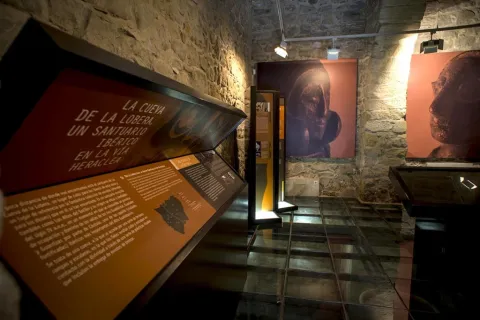
Through their rooms you can discover how the exvotes were made, what they meant to the Iberians, how their vision of the beyond and their relationship with the gods was. A magnificent collection of these figures that still keep in their faces the mystery of the people they represented. Just less than 1 km from this museum is located the Cave de la Lobera, where you can walkon a small path with information about the place and whereYou will discover the abode of the gods.
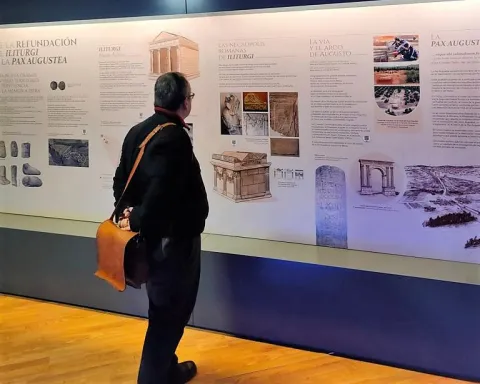
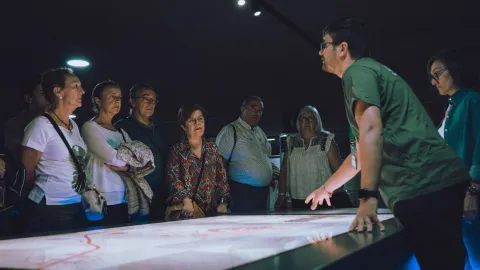
The Iberian Sanctuary of the Cave of the Lobera is founded in the mid-fourth century BC and is kept in use continuously until the second century AD, suffering restructuring with the romanization of the Alto Guadalquivir.

For Iberian times, it is conceived as an outdoor cult space, associated with different coats and caves. The natural slope is saved with the construction of different terraces that facilitate access to the offering areas.

For Roman times, the area of worship is restricted to the area of La Cueva de la Lobera.

This sanctuary was discovered by the Iberian bronze exvotes, which, since the 19th century, circulated and were treasured in private collections. Interest in the so-called "mingos" caused it to be illegally exploited throughout much of the 20th century. Since 1912, the Cave de la Lobera was the subject of interventions aimed at its conservation, and in these first performances the Cave de la Lobera was frequented by scholars moved by such rich archaeological heritage.

Breve descripción

The Museum of Castellar is dedicated to the exvotes of Iberian times that were recovered in the shrine of the Cave of the Lobera.

Telecomunicaciones
Sitio web
www.viajealtiempodelosiberos.com
Teléfono de contacto
953 460 497
Correo electrónico
info@viajealtiempodelosiberos.com
Ubicación
Código Postal
23260
Latitud
38.262190
Longitud
-3.110560
Dirección
Carretera A-312 Linares-Orcera
Distrito
Municipio
Ubicación en el mapa
POINT (-3.11056 38.26219)
Tipos de punto de interés
Imágenes carrusel
imagen
Image
santuario_castellar_6.jpg
Imagen principal
Desactivado
imagen
Image
Cueva de la Lobera
Imagen principal
Desactivado
imagen
Image
Cueva de la Lobera
Imagen principal
Desactivado
imagen
Image
Cueva de la Lobera
Imagen principal
Desactivado
imagen
Image
Cueva de la Lobera
Imagen principal
Desactivado
Imágenes cabecera
imagen
Image
santuario_castellar_3.jpg
Imagen principal
Activado
Horario
Free visit. Concert guided tours.
Loading map
Preparing points of interest and routes...

Oppidum by Puente Tablas

Submitted by brandcode_deweloper on
Id
309632
Descripción
Descripción larga
A fortified city that invites you to travel 2,300 years ago and feel the pulse of a civilization
Breve descripción
A fortified city that invites you to travel 2,300 years ago and feel the pulse of a civilization
Telecomunicaciones
Sitio web
www.viajealtiempodelosiberos.com
Teléfono de contacto
670 948 946
Ubicación
Código Postal
23009
Latitud
37.811740
Longitud
-3.745720
Dirección
JV-3012, 15
Distrito
Municipio
Ubicación en el mapa
POINT (-3.74572 37.81174)
Tipos de punto de interés
Imágenes carrusel
imagen
Image
oppidum5.jpg
Imagen principal
Desactivado
Imágenes cabecera
imagen
Image
oppidum2.jpg
Imagen principal
Activado
Horario
From Tuesday to Sunday and holidays: from 9:00 a.m. at 3:00 p.m. | Monday: closed
Loading map
Preparing points of interest and routes...

Cerrillo Blanco Dynastic Necropolis

Submitted by brandcode_deweloper on
Id
308590
Descripción
Descripción larga

In this necropolis was buried in the 5th century BC the most important impressive sculptural ensemble of all Iberian culture and that can now be seen in the Museum of Jaén.

In the archaeological site and in its Visitors Center you will find the keys to understanding this sculptural group and the meaning of death in the Iberian world. Cerrillo Blanco is a funerary tumulum of the Tartesic era (7th century BC) with 24 individual graves in pits and 1 megalytic in which two individuals were buried. Towards the 5th century BC, it was buried in ditches covered with large slabs, an Iberian sculptural set intentionally destroyed. Both by the amount of pieces (approximately 1400 fragments) and by their artistic quality is the most important of Iberian sculpture. This set tells us and tells us the story of how a group of aristocrats became powerful and came to rule the important city of Obulco in Porcra.

The visit to the site is complete with the Porcra Museum which is located in the 15th century Boabdil Tower, in the historic center of the town. This museum has an important collection of Ibero-Roman sculptures. The museum offers guided tours with prior appointment and activity programming throughout the year that you can find on your website:www.museoatocuna.com

Breve descripción

Cerrillo Blanco is one of the most emblematic places of Iberian culture. Walking through this site, you will know an inhumation necropolis dating back to the 7th century BC.

Telecomunicaciones
Teléfono
<p>Oficina de Turismo: de martes a domingo, de 10:00 h. a 13:00 h.<br />
Plaza de Andalucía, 2.&nbsp;</p>
Sitio web
www.viajealtiempodelosiberos.com
Teléfono de contacto
953 545 130
Correo electrónico
oficinaturismo@porcuna.es
Ubicación
Código Postal
23790
Latitud
37.886633
Longitud
-4.179094
Dirección
Carretera Porcuna-Arjonilla, s/n
Distrito
Municipio
Ubicación en el mapa
POINT (-4.179094 37.886633)
Tipos de punto de interés
Imágenes carrusel
imagen
Image
porcuna%20%287%29.jpg
Imagen principal
Desactivado
Imágenes cabecera
imagen
Image
porcuna.jpeg
Imagen principal
Activado
Horario
Site: Tuesday to Sunday 10: 00 - 13: 00 (upon reservation). Porcilla Museum: Tuesday to Sunday 10: 00 - 13: 00.
Loading map
Preparing points of interest and routes...

Iberian Museum and Museum of Jaén

Submitted by brandcode_deweloper on
Id
2343814
Descripción
Descripción larga

The building where the Museum is located is a modern and avant-garde cultural infrastructure, built by the Junta de Andalucía, with more than 11,000 square meters and which has required an investment of more than 25.5 million euros. Located on the Paseo de la Estación, No. 41 of Jaén, in the heart of the capital, the Ibero Museum of Jaén aims to become a world reference of Iberian culture at the tourist, cultural and scientific level.

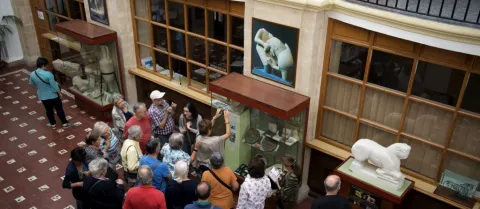
200 metres from the Ibero Museum is the Museum of Jaén, a container of Iberian pieces of art of extraordinary value, among others belonging to the Iberian sculptural ensemble of Cerillo Blanco de Porcra. The sculptures, which date back to the 5th century BC, tell us the mythical history of an aristocratic lineage, where the struggles of warriors are impressed by their great realism. The Museum of Jaén proposes two historical and two thematic tours: the Archaeology Section in which it highlights an important collection of Iberian times, in addition to other rooms dedicated to prehistory, Roman times, Spanish-Muslim culture and Visigoda culture; and the Fine Arts Section that offers us a vision of sculptures and paintings from the 14th to the 20th century.

Breve descripción

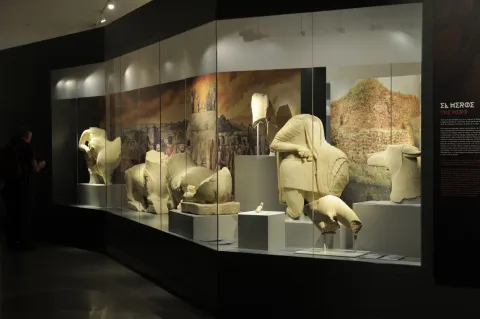
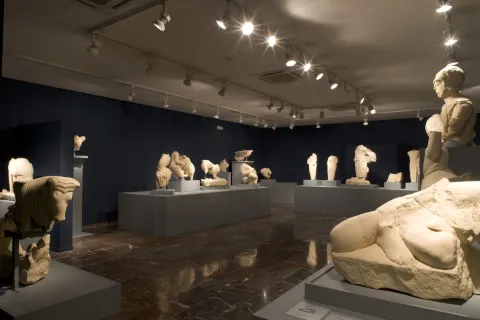
The new Ibero Museum of Jaén, opened on December 11, 2017 by King Philip VI and unique in the world in its kind, is created as a first-class museum institution that will collect the main material testimonies of the Ibera culture. The temporary exhibition entitled "The Lady, the Prince, the Hero and the Goddess" can now be visited, in which through these four prototypic characters of the Iberian people, the public is invited to take a scientific tour of this culture that had a wide development in the Jiennese province and that spread over six centuries, between the VI before our age to Roman domination. In addition, the exhibition includes a module to raise awareness among visitors and tourists about the archaeological expolio and the need to respect the valuable heritage received; as well as a space dedicated to schoolchildren to explain to them, in a didactic way, what iber art means. The new and spectacular exhibition space includes the Iberian monument of The Heroic Sanctuary of El Pajarillo, which was located in Huelma and dates back to the 4th century BC, to which are added pieces from other points of Andalusian geography. Finally, two new sculptures have been incorporated into the permanent collection of the Ibero Museum of Jaén, from the tombs of the Ibera aristocracy found in the site of Cerro de los Molinillos (Baena, Córdoba); they are a lion and a wolf made of limestone of great archaeological value.

Telecomunicaciones
Sitio web
www.museosdeandalucia.es/web/museoibero
Teléfono de contacto
953 001 692 / 953 101 366
Correo electrónico
informacion.museo.ja.ccul@juntadeandalucia.es
Ubicación
Nombre
Museo de Jaén
Código Postal
23008
Latitud
37.774210
Longitud
-3.789260
Dirección
Paseo de la Estación, 41
Distrito
Municipio
Ubicación en el mapa
POINT (-3.78926 37.77421)
Tipos de punto de interés
Imágenes carrusel
imagen
Image
_JOB0386%20Juande%20Ortiz%20Bea%2C%20Cr%C3%A1teras%20Griegas.jpg
Imagen principal
Desactivado
imagen
Image
_JOB0352%20Juande%20Ortiz%20Bea%2C%20el%20H%C3%A9roe.jpg
Imagen principal
Desactivado
imagen
Image
6.jpg
Imagen principal
Desactivado
imagen
Image
_JOB0332%20Juande%20Ortiz%20Bea.jpg
Imagen principal
Desactivado
imagen
Image
ajuar%20funerario.jpg
Imagen principal
Desactivado
imagen
Image
cratera.jpg
Imagen principal
Desactivado
imagen
Image
guerrero.jpg
Imagen principal
Desactivado
imagen
Image
Lobo.jpg
Imagen principal
Desactivado
imagen
Image
_G8Y3459.jpg
Imagen principal
Desactivado
imagen
Image
_G8Y3462.jpg
Imagen principal
Desactivado
Imágenes cabecera
imagen
Image
Cabecera-puntosinteres-museo.jpeg
Imagen principal
Activado
Horario
Tuesday to Saturday: 09: 00 - 15: 00. Sundays and holidays: 09: 00 - 15: 00. Monday (except holidays and evening) closed.
Loading map
Preparing points of interest and routes...

Iberian Museum of Castellar

Submitted by brandcode_deweloper on
Id
4653611
Descripción
Descripción larga

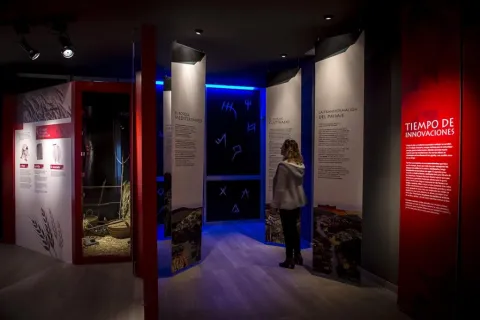
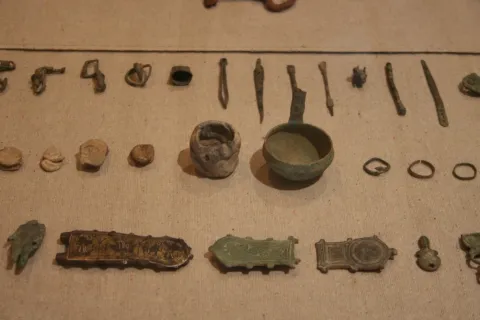
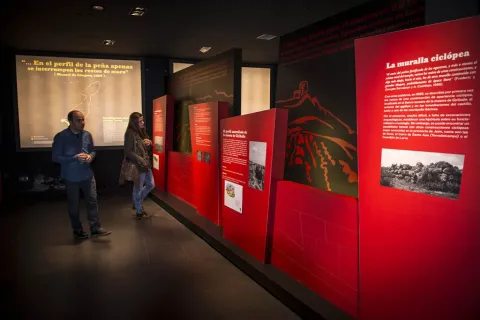
It has two exhibition rooms and a courtyard of weapons, where the archaeological pieces of greater dimensions and weight are concentrated. Throughout the visit we can see various backgrounds, the fruit of the historical, cultural, archaeological, artistic and social development of Castellar.
From the prehistoric time we found axes and various stone supplies.

On the ground floor the remains of a Roman-era field have been musealized: coins, columns of buildings, etc.

In the next floor, objects of the Iberian culture of the Cueva de la Lobera shrine are exposed, one of the numerous archaeological sites of the municipal term of Castellar, a town whose origins are located in the final period of the Copper Age and the beginning of the Bronze Age.

Breve descripción

The museum is located within the tower of tribute (main tower of a fortress) of the 14th century Palace of Medinacelli, known as the Castle of Pallarés.

Telecomunicaciones
Teléfono de contacto
953 460 005
Correo electrónico
ayucastellar@castellariegos.com
Ubicación
Latitud
38.255880
Longitud
-3.128810
Dirección
Plaza de la Constitución, 1
Distrito
Municipio
Ubicación en el mapa
POINT (-3.12881 38.25588)
Tipos de punto de interés
Imágenes carrusel
imagen
Image
Castellar%20028.jpg
Imagen principal
Desactivado
imagen
Image
Castellar%20032.jpg
Imagen principal
Desactivado
imagen
Image
Castellar%20030.jpg
Imagen principal
Desactivado
Imágenes cabecera
imagen
Image
Castellar%20038.jpg
Imagen principal
Activado
Horario

Monday to Friday: 09: 00 - 14: 00. Groups off schedule: contact Lucas Rubio, 953 460 005.

Loading map
Preparing points of interest and routes...

Archaeological ensemble of the Ibero-Roman city of Cástulo

Submitted by brandcode_deweloper on
Id
5868069
Descripción
Descripción larga

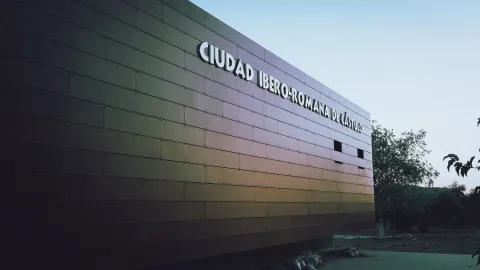
The Archaeological Set of Catulo and its monographic museum in Linares are the ideal sites to know the cultural diversity of Andalusia. The Ibero-Roman city is located on the right bank of the Guadalimar River, it is one of the capital centers of the peninsular noon during the antiquity, both for the extension of its walled enclosure (70 hectares), and for its strategic position in the Alto Guadalquivir and its mining holdings of silver, lead and copper. The "oppidum"- or fortified city - of Cattulo, first, was the most important nucleus of the population of the Iberian Oretania and, later, was formed as a Roman municipality, becoming episcopal headquarters in the lower-imperial era.

Catulus, Ibero-Roman city

The archaeological area of Catulo comprises a vast surface where multiple evidence is overlapping which are expression of other forms of occupation. There are necropolis, factories, public infrastructure and other suburban facilities related to the Ibero-Roman city, but also other settlements from Prehistory to the low Middle Ages, which complete the historical value of this archaeological area. This complex stratigraphic and temporal sequence, which has reached our time in exceptional conditions of conservation and integrity, is a significant segment of the entire history of Andalusia.

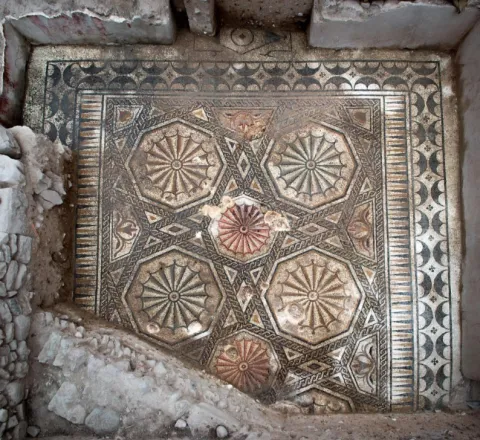
The tour begins with the reception center, where the visitor will find all the keys to understand the historical development of the site. In the walls you can make a stop in the highest part of the city and visit the Gate of the Lions of the Republican period, where the famous León de Catulo, the best preserved of the entire Iberian peninsula, was discovered. In the central area of the plateau do not forget to make a tour of the different archaeological areas and to contemplate the spectacular "Mosaic of the Amores," considered one of the ten greatest discoveries of 2012 by the magazine National Geographic. Also in the same area you can see an important religious building within which the "Patena de Cristo" was discovered, a fourth-century glass dish with one of the best preserved images of Christ which is currently exposed in the Museum of Linares. At the most eastern end of the settlement, you can see the Castle of Santa Eufemia, a fortification that dates from the Arab period and is also part of the cultural itinerary Route of the Castles and the Battle.

Archaeological Museum

This museum cannot be understood in its integrity without reference to the Archaeological Set of Cattulo, as they are intimately related. In fact, an important impetus in the development of the Museum occurs when the expropriation of the lands of the former Cattulo is carried out, a process that began in 1968 and concluded in 1972, thus facilitating the research work that has been carried out in these areas since 1958 and from where the most important and numerous part of the collection comes from.

The tour is arranged on several floors, a covered courtyard and the basement. Its rooms treasure the most important findings of Catulus, including the Ibero-Roman Lion dating back to the 1st century BC and the Patena of Christ dating back to the 4th century AD.

Breve descripción

The archaeological set of Catulo and its monographic museum in Linares are the ideal sites to know the cultural diversity of Andalusia. The Ibero-Roman city is located on the right bank of the Guadalimar River, it is one of the capital centers of the peninsular noon during the antiquity, both for the extension of its walled enclosure (70 hectares), and for its strategic position in the Alto Guadalquivir and its mining holdings of silver, lead and copper. The "oppidum"- or fortified city - of Cattulo, first, was the most important nucleus of the population of the Iberian Oretania and, later, was formed as a Roman municipality, becoming episcopal headquarters in the lower-imperial era.

Telecomunicaciones
Sitio web
www.castulolinares.com
Teléfono de contacto
953 106 074
Correo electrónico
museoarqueologicolinares.ccul@juntadeandalucia.es
Ubicación
Código Postal
23700
Latitud
38.087695
Longitud
-3.640179
Distrito
Municipio
Ubicación en el mapa
POINT (-3.640179 38.087695)
Tipos de punto de interés
Imágenes carrusel
imagen
Image
mosss-346-jpg
Imagen principal
Desactivado
Imágenes cabecera
imagen
Image
139234900--62l4x468.jpg
Imagen principal
Activado
Horario
Archaeological Set of Catulus: Tuesday to Saturday 09: 00 - 18: 00, Sundays and holidays 09: 00 - 15: 00, Monday closed. Archaeological Museum of Linares - 1 abr - 15 Jun: Tuesday to Saturday 09: 00 - 21: 00, Sundays and holidays 09: 00 - 15: 00, Monday closed. 1 Jul - 31 Aug: Tuesday to Sunday 09: 00 - 15: 00, Monday closed. 1 sept - 31 sea: Tuesday to Saturday 09: 00 - 21: 00, Sundays and holidays 09: 00 - 15: 00, Monday closed. Closed: 1 and 6 ene, 1 may, 24, 25 and 31 Dec.
Microsite al que pertenece
Loading map
Preparing points of interest and routes...

Giribaile Fortified City.

Submitted by brandcode_deweloper on
Id
308631
Descripción
Descripción larga

You can visit the Interpretation Centre in Vilches (currently closed by reforms) and learn about the historical evolution of this important site, but there is a fence that closes the passage to the fortified city, so it is necessary to telephone the City Hall in advance, on working hours from 8: 00 to 14: 00, to make an appointment.

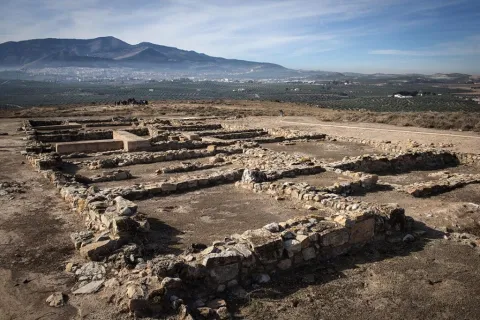
In the archaeological enclave you can visit a prehistoric sanctuary, an Iberian village, a cenobium or eemite paleocristian or visigode and a Almohad castle, all surrounded by beautiful landscapes between olive and saw. Landscape, culture, heritage, history, nature, hiking... are intermingled in Giribola, where it is possible to appreciate the footprint left by different peoples and cultures over the centuries.

Thus, along with the vestiges of the castle, the traveller will also be able to see the remains that are still preserved from the great wall surrounding the Iberian oppidum, an important city that occupied a strategic place on the road of connection between Catulo and the Levant and that was abandoned after being swept away by the Romans. Similarly, the numerous caves that are distributed on the slopes of the hill, the so-called Cuevas de Espeluca, are also interesting.

Breve descripción

Giribola is located in the confluence of the Guadalimar and Guadalén rivers, in the municipal term of Vilches. The archaeological area occupies a prominent position at the end of a plateau interrupted by a barrier-type fortification that serves as a limit and, at the same time, a main access to the Iberian city. It can be considered, with its 18 hectares, one of the largest Iberian villages in the province of Jaén.

Telecomunicaciones
Teléfono
<p>Visitas concertadas por teléfono.</p>

<p>&nbsp;</p>
Teléfono de contacto
953 630 075 / 637 784 927
Correo electrónico
turismo@vilches.com
Ubicación
Código Postal
23220
Latitud
38.203092
Longitud
-3.508578
Dirección
Cerrillo, s/n
Distrito
Municipio
Ubicación en el mapa
POINT (-3.508578 38.203092)
Tipos de punto de interés
Imágenes carrusel
imagen
Image
vilches_giribaile_8.jpg
Imagen principal
Desactivado
imagen
Image
Cabecera-Ciudad%20fortificada%20de%20Giribaile.jpg
Imagen principal
Desactivado
imagen
Image
vilches_giribaile_3.jpg
Imagen principal
Desactivado
imagen
Image
vilches_giribaile_1.jpg
Imagen principal
Desactivado
Imágenes cabecera
imagen
Image
IMG_2037%20giribaile.JPG
Imagen principal
Activado
Horario
Interpretation centre closed for reforms.
Microsite al que pertenece
Loading map
Preparing points of interest and routes...

Interpretation Centre Iliturgi "La Ciudad de los Tres Ríos"

Submitted by brandcode_deweloper on
Id
10338578
Descripción
Descripción larga

Through visual and interactive technologies in three dimensions (videomapping, holograms, etc.) it offers the visitor a tour, from the Iberorromana era, through the history of Mengibar related to its geographical location in the confluence of three great rivers: Guadalquivir, Guadalclón and Guadalimar. In this line, its content links with routes such as the time journey of the Iberians or the Phoenicians. Its assembly has received the advice and support of the professionals of the University Institute of Ibera Archaeology of the University of Jaén, headed by Juan Pedro Bellón Ruiz, current director.

Breve descripción

This newly opened Interpretation Centre is a space dedicated to the history of Mengibar, the result of collaboration between the City Council and the University of Jaén. It is located in the Casa Palacio existing in this town.

Telecomunicaciones
Sitio web
www.mengibarturismo.com/
Teléfono de contacto
677 222 285
Correo electrónico
turismo@aytomengibar.com
Ubicación
Código Postal
23620
Latitud
37.967994
Longitud
-3.808773
Dirección
Plaza de la Constitución, 1
Distrito
Municipio
Ubicación en el mapa
POINT (-3.808773 37.967994)
Tipos de punto de interés
Imágenes carrusel
imagen
Image
Meng%C3%ADbar%205.jpg
Imagen principal
Desactivado
imagen
Image
326893268_599341252019359_3732608081625461969_n.jpg
Imagen principal
Desactivado
imagen
Image
mosss-648-jpg
Imagen principal
Desactivado
imagen
Image
mosss-649-jpg
Imagen principal
Desactivado
imagen
Image
mosss-647-jpg
Imagen principal
Desactivado
Imágenes cabecera
imagen
Image
Meng%C3%ADbar%204.jpg
Imagen principal
Activado
Loading map
Preparing points of interest and routes...
Marcas de calidad