
Saltar al contenido principal
Image
Pueblos bonitos de España

Sierra de Segura Apartments

Submitted by brandcode_deweloper on
Id
2637718
Redes sociales
Facebook
www.facebook.com/apartamentossegura/
Descripción
Breve descripción

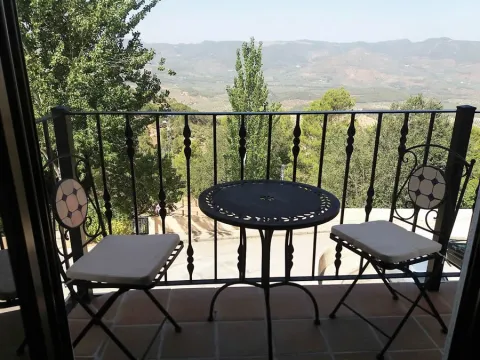
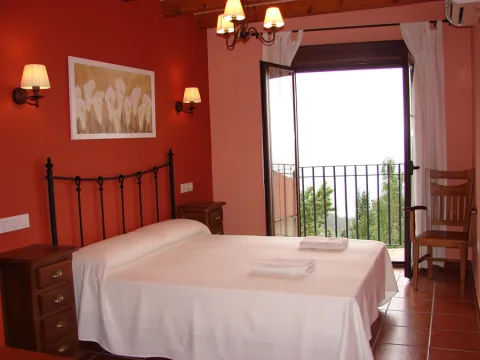
"Apartamentos Sierra de Segura" is a rural complex with apartments, one to three bedrooms, perfectly furnished and suitable for you to enjoy the tranquility and charm of rural tourism in the Natural Park of Cazorla, Segura and the Villas.

Información de contacto
Teléfono
953 070 029 / 607 515 664
Sitio web
www.apartamentossierradesegura.es
Correo electrónico
reservas@apartamentossierradesegura.es
Ubicación
Código Postal
23379
Latitud
38.296561
Longitud
-2.650789
Dirección
C/ de San Vicente, 24
Distrito
Ubicación en el mapa
POINT (-2.650789 38.296561)
Tipo de alojamiento
Imágenes
imagen
Image
Sierra_de_Segura.jpg
Imagen principal
Activado
imagen
Image
5.jpg
Imagen principal
Desactivado
imagen
Image
6%20%281%29.jpg
Imagen principal
Desactivado
Horario
08: 30 - 23: 00
Precio por noche
50.00
Las habitaciones

1 key

Loading map
Preparing points of interest and routes...
El Hotel

If you do not need to cook, you also have a floor with double rooms with bathroom, with all the details.

Located in the city centre of Segura de la Sierra, the most beautiful and emblematic town of the Natural Park, declared a Historical-Artistic Set by UNESCO and in 2017 awarded as one of the 57 most beautiful villages in Spain.

All rooms have free wifi.

"Apartamentos Sierra de Segura" offers its customers high quality rural accommodation that combined with the incomparable historical environment of the village and the natural area of the Sierra de Cazorla and Segura, maximum comfort, exquisite decoration and complete equipment of the facilities will make your stay unforgettable. We encourage you to meet them.
Segura de la Sierra

Submitted by brandcode_deweloper on
Id
751057
Perfil de redes sociales
Facebook
https://www.facebook.com/ayuntamiento.segura/
Youtube
https://www.youtube.com/channel/UC0tAxfUQ5z6fv74Z3R6BrGg
Instagram
https://www.instagram.com/seguradelasierra_/
Descripción
Breve descripción

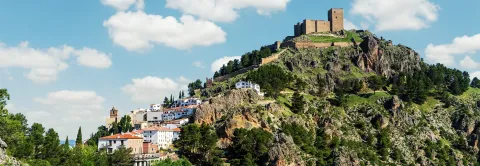
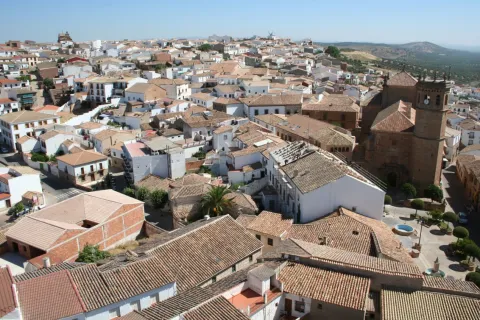
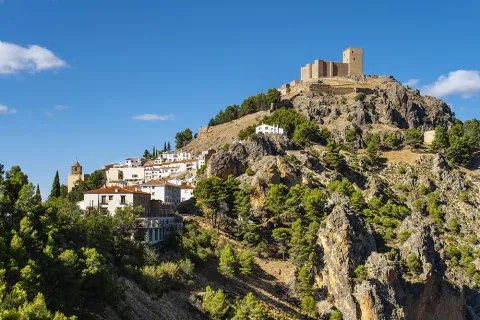
Segura de la Sierra is a beautiful villa located in the heart of the Sierra de Segura, located in the northeast of Andalusia. It is certainly one of the most beautiful peoples in Andalusia and, as such, is part of the most beautiful Peoples Network in Spain.

Segura gives name to a river, to a region and is synonymous with history. Visiting this town we can pack history and heritage in its urban centre or taste nature in its maximum expression in the many villages of its large municipal territory.

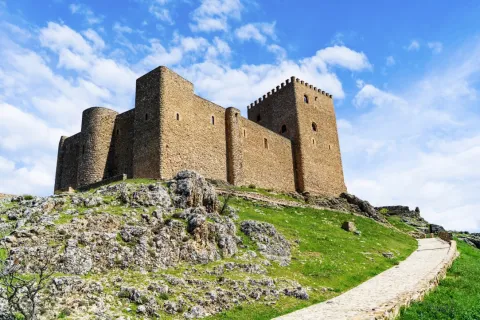
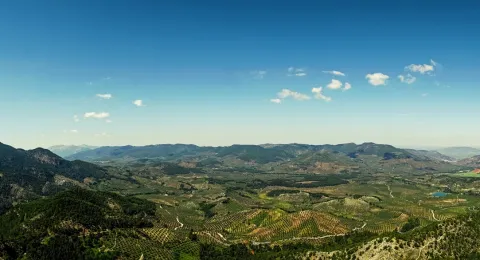
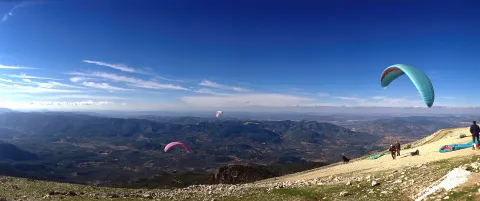
From its castle, of Muslim origin, you can see impressive panoramic views of the whole area, which is distinguished by its wide serrania, with an enormous natural and forest wealth. It is part of the Natural Park of the Sierras de Cazorla, Segura and Las Villas, the largest protected area in Spain.
This wonderful environment, its streets and historical corners make Segura de la Sierra has been declared a Historical-Artistic Set and Pintoresque Park.

Segura de la Sierra and its high peaks served to illuminate the best literature of the Renaissance, by the hand of Jorge Manrique, author of the "Cops to the death of my father."

Telecomunicaciones
Teléfono
953 480 280
Sitio web
www.seguradelasierra.es
Fax
953 481 012
Correo electrónico
administracion@seguradelasierra.es
Ubicación
Nombre
Segura de la Sierra
Latitud
38.298850
Longitud
-2.651870
Distrito
Ubicación en el mapa
POINT (-2.65187 38.29885)
Imágenes
imagen
Image
18670190-05e7-df1b-a17a-e92e0d671cef?t=1603979935869
Imagen principal
Desactivado
imagen
Image
despegue-el-yelmo-jpg
Imagen principal
Desactivado
imagen
Image
84676aeb-bfa8-a851-5550-3b4d15c74706?t=1621445408264
Imagen principal
Desactivado
imagen
Image
6fde7b00-3201-46c4-e6c3-528a9d11093d?t=1595353573804
Imagen principal
Desactivado
imagen
Image
a66e4f4c-435d-565a-2c1d-47799e04c4ce?t=1595353573833
Imagen principal
Desactivado
imagen
Image
4e21d820-8e51-89a4-0274-af8aeb2894f0?t=1621445408309
Imagen principal
Desactivado
imagen
Image
8668c55e-f4f0-0979-0f1b-fbd53f037c7e?t=1621445408354
Imagen principal
Desactivado
imagen
Image
78496ace-41be-4e6a-cd26-a6097356a63d?t=1621445408397
Imagen principal
Desactivado
imagen
Image
d1c73291-0577-d6d3-7c68-b4cea6f8ac35?t=1595353574079
Imagen principal
Desactivado
imagen
Image
5a350abd-951a-6543-e791-3a83e2a39938?t=1621445408446
Imagen principal
Desactivado
imagen
Image
307ca2fa-ccf4-8ce0-302a-896577682bb1?t=1595353574160
Imagen principal
Desactivado
imagen
Image
4d621b1f-d10e-8b22-6bc0-9c2c2c218615?t=1621445408494
Imagen principal
Desactivado
imagen
Image
b5bce32c-dbd5-c32b-b191-af98ea79ea34?t=1621445408543
Imagen principal
Desactivado
imagen
Image
aeb6f7e7-dfc2-de87-6f7f-daaaadba363b?t=1621445408593
Imagen principal
Desactivado
imagen
Image
49a44de3-3e7c-ef37-cfb0-56a999ea436d?t=1602789076574
Imagen principal
Desactivado
Información adicional
Imágenes cabecera
imagen
Image
segura-de-la-sierra1-jpg
Imagen principal
Desactivado
Datos de interés

Tourist area: Serras de Cazorla, Segura and the Villas
Distance to the capital (km): 160
Altitude over sea level (m): 1145
Extension (Km2): 224
Number of inhabitants: 1986
Gentillo: Segureños
Postal code: 23379

Videos
Video file
Cultura

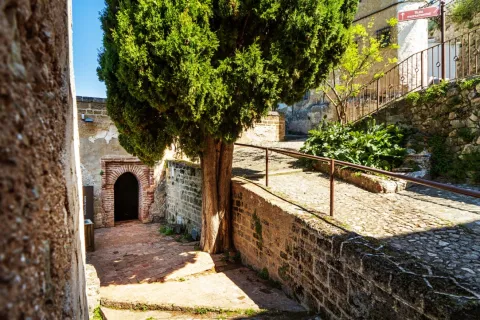
The villa offers the physiognomy of past times, preserving its steep and silent streets. From its rich and varied heritage, we highlight:

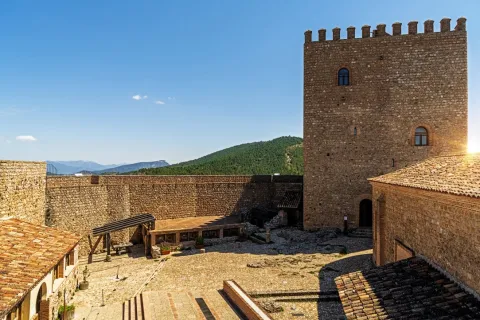
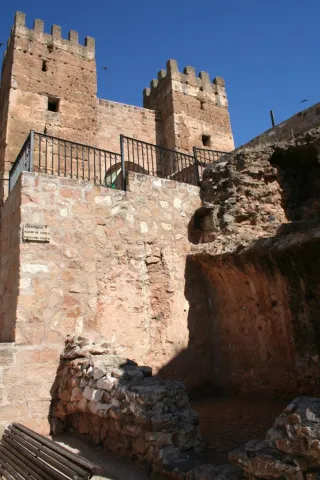
  • Castle.Of Mudejar origin, eternal vigil located in the highest of the village and surrounded by an old wall that still retains some turreons. The tower of tribute, which reaches 18.50 m in height and from which you can see impressive panoramic views of the Segura saw. Inside the castle we find: chapel, adarves, covered with wood and roofed in two waters, aljibe and Arab baths.
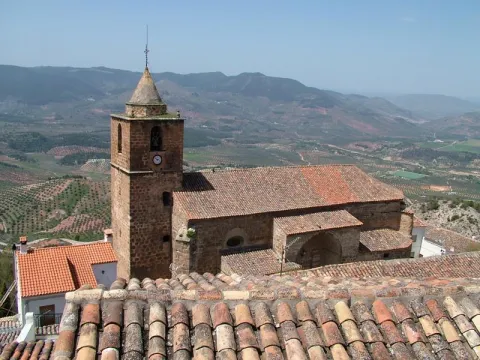
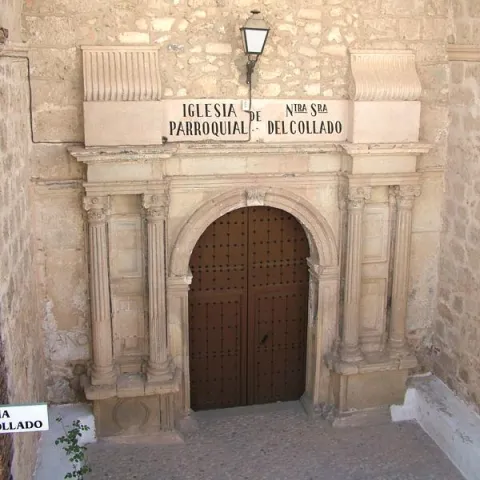
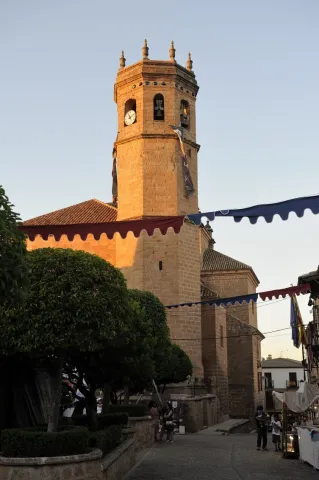
  • Parish Church of Saint Mary of the Collado. It was built in the 16th century on the site of the old Romanesque temple. The Napoleonic troops set it on fire and would be restored between 1814 and 1817. Its only ship is rectangular and of vaulted roof. On the outside, his tower built with masonry. With a quadrangular plant, it has its first body with a flask and a second body covered with an octagonal pyramid on which a forged iron cross goes. He has accumulated a rich religious iconography during his history.
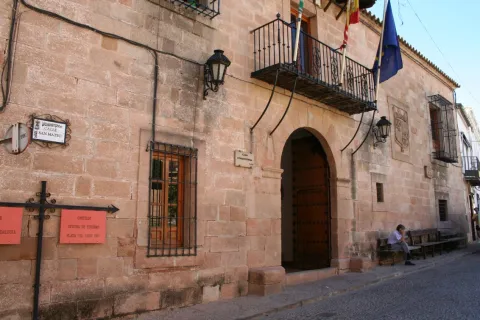
  • City Hall. Other Renaissance paradigm, old house of the Society of Jesus. It opens with an arched arch of highlighted keys, to which they flank crate pilastras and dotal column. The second body is embellished by a curved balcony, a triangular fronton decorated with tacos and noble oval shields with plucked helmets.
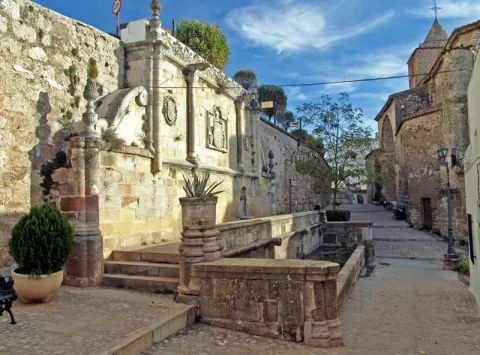
  • Imperial source. A monument that reflects the transition between the Gothic and the Renaissance. It is built in front of the church and dates from the year 1517. Presents a large fronton divided into three streets separated by Ionian columns. A large shield with the weapons of Carlos V. is displayed on the central street
  • Casa de Jorge Manrique. The façade has a half-point arch decorated with vegetable motifs, flanked by crate pilasters and complemented by small Ionian columns. The nobility shield of arms of the Figueroa, the mother family of Jorge Manrique, was carved in stone.
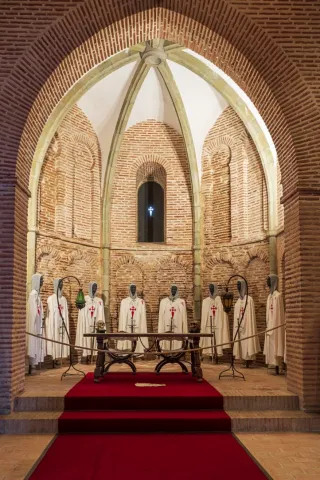
  • Church of the Jesuit. It is built in the last quarter of the 16th century. It has Renaissance decoration, with a half-point arch with reliefs of the apostles. This building has now been remodeled and turned into an event and exhibition room.
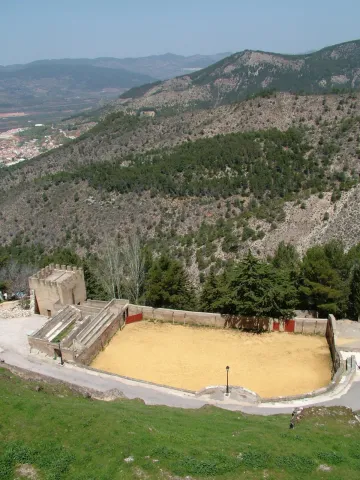
  • Bull's Square. It is located on the outskirts of the village in the old courtyard of weapons and chivalry. It's one of the oldest and most curious, being quadrangular.
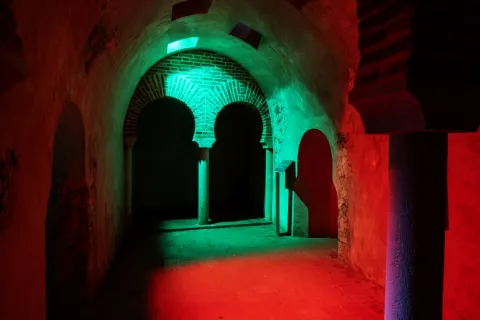
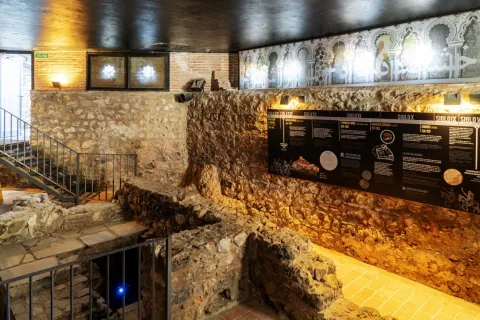
  • Arab baths (hammam). Used not only for hygiene and toilet, but also as social assembly centres. They were used by both men and women, but at different times. They consist of three longitudinal ships, corresponding to thecold room, the most external,tempered and hot, the innermost. They were tied with double horseshoe arch and canyon vault with skylights. It is estimated to be built between the 11th and 12th centuries.
  • Wraith and defense. Many sections of the local walls can still be observed. One of the best preserved is the water tower, It is called that because its mission was to protect a water spring that supplied the plateau. Other still preserved are: The Era tower, the School tower and the Snow well. The latter space was used to store water and snow during the winter period and then to use them through drains that existed at the bottom.
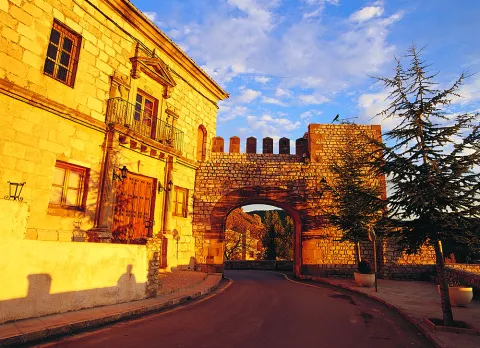
  • Access doors. The way to access the Segura de la Sierra fortification was 4 doors: The New, the Gontar, the Catena and the Orcera.


Naturaleza

Segura de la Sierra is located in the center of the mountains to which it gives name, the entire municipal term is part of the PN Sierras de Cazorla, Segura and the Villas.

The flora, when there is such a great difference in height in the municipal term, it is different: high mountainLet's find the pino laricio, flexible and resin-rich wood, and lacquer; half mountain live the black pine, whose wood is very resistant to rot and can reach 45 m in height and tejoof slow growth, but of a longevity that can reach the age of 5,000; low mountainthe Pine carrasco, complaining, melojo oak, the oak, the oak, the coscoja, olive and other endemic and aromatic plants.

The fauna is also, like the flora, very diverse. So, we'll meet. Rapist birds and scavengers(eagles, lethand vultures, alimoche vultures...), animals of major game(deer, muflon, gamo, boar...) and minor hunting (perdiz, rabbit, hares, crow, crows, tortoises, doves and foxes).

They also live in various species of fish, like trout, barbo, boga, etc., andmammals,Like bat, mountain cat, chickenpox, badger, otter, fox and gin.

An area with enormous natural and forest wealth, place to feel that nature is alive.
 

Fiestas y Eventos

The Segureños celebrate the following parties:

  • Patrons of the Virgin of the Rosary. They have a place of 4-8 Octoberand are celebrated in honor of the patron. On the 8th the most emotional act takes place: the procession of the Virgin on the shoulders of the women of Segura. During these days there are taurine celebrations, which are held in the peculiar square of quadrangular bulls, and serrano bolus competitions.
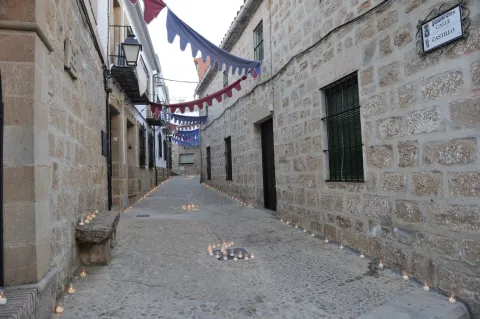
  • Saint Vincent. It is the patron saint of the town and is celebrated the January 22. In his honor fire is on in the extramides of the villa. It is a custom that is very rooted in the saw that the winter festivities turn on "Luminaires"(bonfires). This is the day of" La Pura "(8 December), in Saint Lucia (13 December), Christmas Eve, New Year's Eve, San Antón (17 January), in San Vicente (22 January) and ending at the Candelaria (2 February).
  • Romeria de San Isidro. It is the pattern of the New cuts, the most important pedany of the many that Segura has. It is held in the area of the Lomilla, by the village The Ojuelo.
Gastronomía

The gastronomy of Segura de la Sierra is rich and full of tradition, has been able to combine the agricultural customs with those of the pastors or those dedicated to the works of the wood, carried out by the cut of pine trees in this saw.

The diversity of the dishes that we find in the town is characterized by the use of the products we find in the area: olive oil, mountain meat in hunting season (boar, perdiz, rabbit, soybean sheep) and, in concrete seasons, mushrooms and niscalos (guízcanos) or asparagus that are so well given in the saw.

  • Galians, bread cakes, rabbit and spices.
  • Andrajoswith flour, meat and spices.
  • The Migasof bread, to which is added chorizo, torrezos...
  • The Gachamita, flour and potato that is accompanied by all kinds of dressing, both sweet and salty.
  • Lamb to the young shepherd, pastoralist chard, lamb in cabañil garlicIn all these dishes, the base is the same: the following sheep's meat.
  • Pisto gandul, made of goat, lamb or rabbit and is to then consume in fairs or evenings. Hence the name of the gangul.
  • Cecinaof sheep's or goat's meat that has been cured.
  • Ajopringueis consumed in the massacres and is made with the pig liver It's a bit.

In pastry, the bake, a dessert of oil cake that carries a hard egg in the middle.

Historia

The history of the term Segura de la Sierra dates back to the 4th millennium BC, according to the many archaeological sites that testify to the human presence in those times.

Very close to the city centre is the settlement called The Old Onea few kilometres from the village of Moralejos and that it has always been attributed to peoples as Iberians and Phoenicians, being later the scene of wars between Romans and Carthaginians.

But it is, no doubt, with the Islamic people (781) when the population they call Saqura lived the golden era as a strong square in the area. In the 9th and 10th centuriesAfter the collapse of the Cordoba caliphate, Segura de la Sierra has several periods of independence that make it important.

It will be conquered by the Christian troops, becoming dependent on the Order of Santiago by the donation of Alfonso VIII. In 1243, with King Fernando III, he passed to the crown of Castile and within the kingdom of Murcia until 1833, the year in which the current province of Jaén was created.

In 1517, after the visit by Carlos I to the square, the fountain is built in his honor. A Renaissance source, though clearly of transition. In 16th century had a a time of great splendor, provided by the large amount of wood produced in its territory and which, transported by the Guadalquivir River, supplied all of Andalusia.

In 18th century, the State has converted the saw, under the name of saw of Segura, Maritime Province, No doubt you need wood for the construction of your ships. The Napoleonic invasion (1810) turned the population into a huge stake, destroying the files and taking part of its history.

illustrious characters:

  • Jorge Manrique (1440-1479), a Spanish poet and author of "Cops for my father's death," considered one of the capital works of Spanish literature. The origin of his birth is discussed with Paredes de Nava (Palencia)
Otra información

We want to place on record two traditions that are very deep-rooted in Segura de la Sierra:

  • The serrana jack. Of the popular dances of Segura de la Sierra, no doubt, the serrana jota is the one with the greatest personality. It is interpreted alone or with whole or half-ways, usually, in popular parties.
  • Via living crucis. It is interpreted by the neighbors of the village and is developed in different places of the town, with excellent views of the Segura saw.
     
Loading map
Preparing points of interest and routes...
Imagen principal
imagen
Image
53a920a5-6491-8831-30ac-3d989e48192e?t=1603979644641
Imagen principal
Activado
Literatura

This town may have been the birthplace of the warrior-poet, since his father was Commander of Segura de la Sierra, the most important commandery of the Order of Santiago. In fact, the Manrique family home is still preserved today.

Segura de la Sierra pays tribute to the poet not only by marking the Manrique family home, but also by building part of its tourism offer around Jorge Manrique, dedicating several rooms of the castle to interpretation spaces devoted both to the poet and to the Order of Santiago.Segura de la Sierra also pays tribute to the illustrious writer with a statue-monument and with a magnificent viewpoint offering sweeping views of the Natural Park from the village itself.

The tribute to Jorge Manrique culminates with the biennial Jornadas Manriqueñas, an event combining academic and leisure activities as a way of honouring this illustrious figure.

Baños de la Encina

Submitted by brandcode_deweloper on
Id
780098
Perfil de redes sociales
Facebook
https://www.facebook.com/AyuntamientoBanosdelaEncina
Twitter
https://twitter.com/ayto_banos
Youtube
https://www.youtube.com/user/bdelaencina2
Instagram
https://www.instagram.com/ayuntamientobanosdelaencina/
Descripción
Breve descripción

Baños de la Encina is a town located to the north-west of the province of Jaén, in the heart of Sierra Morena, being part of its municipal term included in the Sierra de Andújar Natural Park.

It is a town characterized by a rich cultural and natural heritage. Its abundant natural enclaves have a high ecological and landscape value.

The Rumblar reservoir or the brazen cattle shops give special beauty to the bathing landscapes. A picturesque place is the town of El Centenillo, a pedany with a past linked to mining that has inherited us very interesting vestiges of that extractor activity maintained until the second half of the 20th century.

Telecomunicaciones
Teléfono
953 613 338
Sitio web
www.bdelaencinaturismo.com
Fax
953 613 455
Correo electrónico
ayuntamiento@banosdelaencina.es
Ubicación
Nombre
Baños de la Encina
Latitud
38.175110
Longitud
-3.774660
Distrito
Ubicación en el mapa
POINT (-3.77466 38.17511)
Imágenes
imagen
Image
bb43412b-0b09-92e1-b5dd-2a3baaeef265?t=1616762819308
Imagen principal
Desactivado
imagen
Image
6e061618-da10-6b26-ebe5-300517ba8230?t=1616763048514
Imagen principal
Desactivado
imagen
Image
74310b79-8179-fae7-5b3e-b576735fa133?t=1616763048565
Imagen principal
Desactivado
imagen
Image
62832d7e-b9c5-e2e7-8c96-eaa006430cf6?t=1616763048614
Imagen principal
Desactivado
imagen
Image
7d8309d2-8fe8-afaa-52e1-30fa5ffd4344?t=1616763048663
Imagen principal
Desactivado
imagen
Image
5ad5a6f6-be90-af33-a942-c398c15eac8e?t=1585087446209
Imagen principal
Desactivado
imagen
Image
b8fc307b-b54e-2067-4fa8-d7b7e20df730?t=1616763335903
Imagen principal
Desactivado
imagen
Image
e80f5c5a-9de3-0a08-2ea9-d6e40613fec0?t=1616763335957
Imagen principal
Desactivado
imagen
Image
d5d6f262-ceaa-09c3-3124-4f3017e71822?t=1616763336007
Imagen principal
Desactivado
imagen
Image
5be66f78-cbbc-a026-651d-ffaef3679132?t=1616763336058
Imagen principal
Desactivado
imagen
Image
48647967-2b83-bcef-38bc-adf042b0be7d?t=1603119701256
Imagen principal
Desactivado
imagen
Image
8c045208-3641-3c84-2c69-e31fba4f077c?t=1616763336138
Imagen principal
Desactivado
imagen
Image
87fdbe3b-186b-19bd-8f89-e4a40bd26929?t=1616763491946
Imagen principal
Desactivado
imagen
Image
058a9ced-9222-cd95-ed71-43d8be494159?t=1616763492048
Imagen principal
Desactivado
imagen
Image
e6f47c26-b02d-fa14-8b66-df7a4cee0858?t=1616763492173
Imagen principal
Desactivado
imagen
Image
6de90817-a9cc-79c6-b605-f2af76b1648f?t=1616763336188
Imagen principal
Desactivado
imagen
Image
d4bc33bd-166f-3120-184e-4f2e5b6efdd7?t=1616763336243
Imagen principal
Desactivado
imagen
Image
1a4b34e9-0517-fd82-1815-920fb58433f6?t=1616763492470
Imagen principal
Desactivado
imagen
Image
798beea5-5af1-63e7-ac7d-4dceabb4b9ee?t=1616763492614
Imagen principal
Desactivado
imagen
Image
9c5a19f0-40c7-8be4-dbf1-e323dfae9bf9?t=1616763336434
Imagen principal
Desactivado
imagen
Image
43bfe44f-fb3e-b00e-99ad-015db6e53e10?t=1616769905170
Imagen principal
Desactivado
Información adicional
Curiosidades

Oficina Municipal de Turismo:

  • Avda. José Luis Messía, s/n. Centro de interpretación “Torreón del Recuerdo”
  • Tfno.: 953 613 338
  • https://www.laencinaturismo.com/
  • De Martes a domingo (lunes cerrado): de 10:00 h. a 13:30 h.
  • De Jueves a domingo: de 16:30 h. a 18:30 h. (verano de 18:30 h. a 20:30 h.)
Imágenes cabecera
imagen
Image
baños de la encina
Imagen principal
Desactivado
Datos de interés

Tourist area: Sierra Morena / Sierras de Andújar
Distance to the capital (km): 52
Altitude over sea level (m): 420
Extension (Km2): 392
Number of inhabitants: 2582
Gentillo: Bañuscos
Postal code: 23711

Videos
Video file
Cultura

Baños de la Encina has accumulated a rich artistic heritage that has been able to preserve and care for. To visit it is to connect with the tracks of other peoples and cultures that have passed through this territory.
From its heritage, we highlight:

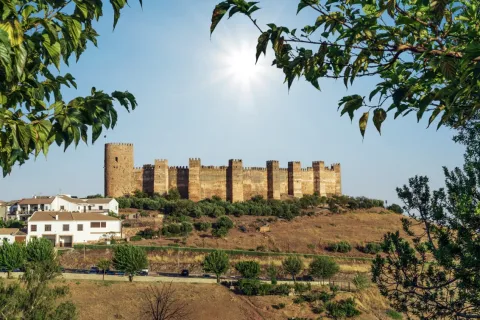
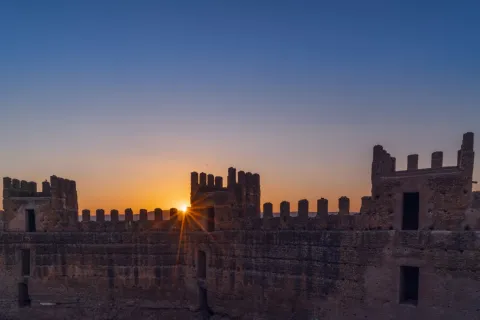
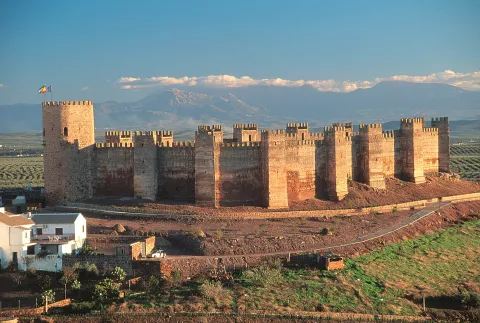
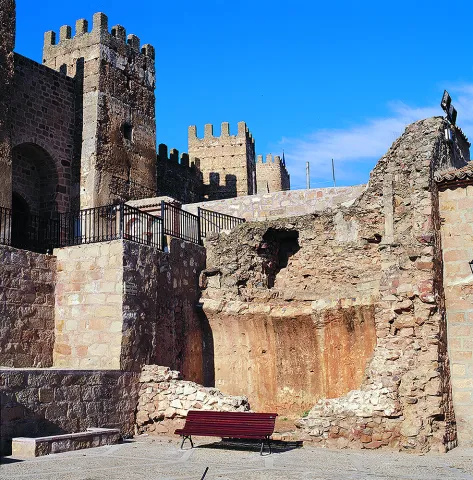
  • The castle of Bury al-Hamma (Burgalimar). The impressive silhouette of the castle dominates the rural landscape of Baños de la Encina. He rose in 968, in the califal period. It is flanked by a sturdy, almond wall with 14 towers, plus the Christian tower of tribute, and it has suffered little damage, constituting the best preserved fortified set of the time. The main Christian modification was introduced on one of the original 14 turreons: the Tribute Tower (also known as the "Gorda Tower"). This tower does not look to the countryside, but to the interior of the population, projecting itself above it, which indicates the transformation into a church building. It is Gothic and is built with irregular masonry, presenting cylindrical shape to the outside.
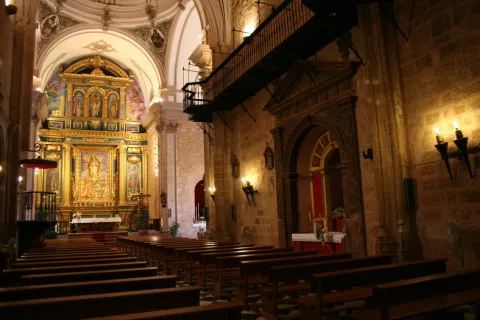
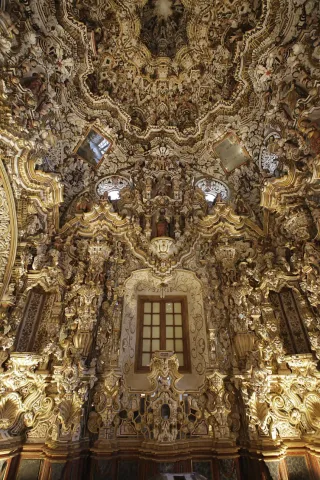
  • The Church of St. Matthew. It is Gothic, although the tower has Renaissance finishes, as does the main cover. The most important element in it is the sacred one, one of the jewels of the sacred art of the province dating from the 17th century. It is built of ebony wood, ivory, silver and shell of Carey that make up a plateau with baroque dome, framed by four columns of shell with capitals and silver basements.
  • Hermitage of the Jesus of the Llanus. Located in the middle of the Mesteño (sheep) rest, this sober building is raised, with a single ship and a bell tower in swordsman on the main facade. The construction takes place from the 16th to the 17th century. What surprises the interior is the Camarín Tower of the venerated image. Of clear granadine influence, it is a manifestation of the most expressive baroque of the 18th century.
  • Hermitage of the Virgin of Encina. The shrine of the Virgin of Encina is 4 km away. from Baths. It was built on a smaller and primitive one from the late 13th and early 14th century. In the 17th century a remodeling was carried out, leaving it as it is today.
  • Conistory house. It dates from the 16th century, and stands out for its sober and simple aspect, nuanced by the simplicity of the grating. The cover is made up of a half-point arch, on which a balcony is opened with the typical bathrobe.
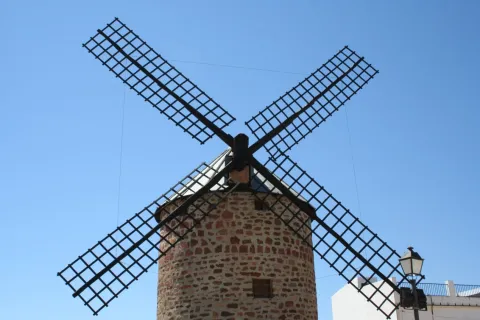
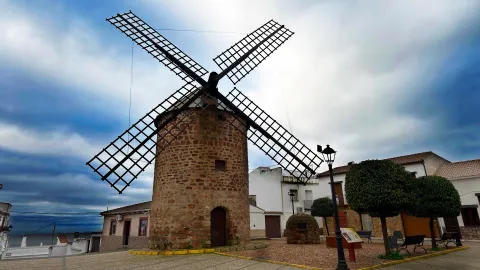
  • Wind Mill. Old wind mill of the 17th century, located in the upper part of the municipality.

Naturaleza

The Centenillo. It is a pedany that is located north of the municipal term and is located 18 km away. of the town of Baños de la Encina. A very old population, a result of the exploitation of their mines.

The year 1865 is the best time in this town, with the arrival of English entrepreneurs and the creation of a mining group that grouped 41 mines. A splendor that will be extinguished in 1963, year in which all the mines will be closed, passing the neighbors to live from the cynegetic activity.

To visit this landscape enclave to see the remains of the mining activity is to immerse us in the mining environment of that time: town of the miners, houses of the English leaders, scavengers, vagonets, laundry... Don't miss it!

Fiestas y Eventos

In addition to the celebrations of Christmas, Carnival or Holy Week, the following festivities are held in Baños de la Encina:

  • La Candelariawhich is celebrated on February 2 and the neighbors gather around great bonfires made with "ramon," remains of the pruning of the olive trees, as they eat, drink, sing and dance.
  • Romeria of Jesus of the Way. It is celebrated on the first Sunday of May, as before the great day of the Romeria de la Virgen de la Encina. This hermitage is on the way to the hermitage of the Virgin of Encina.
  • May Patronal Festivals. They take place during the second weekend of May. The main event is the Romeria de La Virgen de la Encina, in which on the 2nd Sunday of May, the image is moved to the sanctuary and all the bathrobes are accompanied by gilded carts, gilded horses or on foot. All with music, fair houses and good wine.
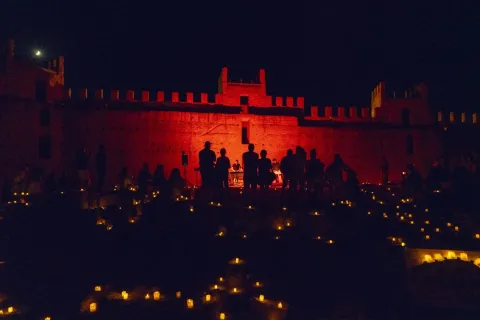
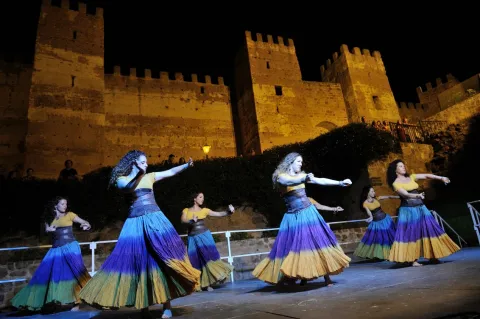
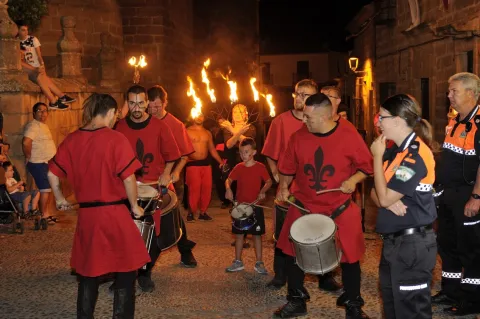
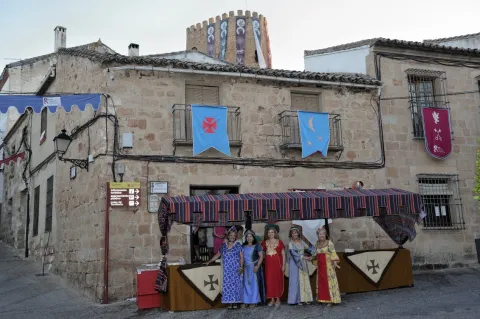
  • Medieval parties. They have been held for a few years in the square and the castle. Artisans stand, dramatic representations of the castle's take between Moors and Christians, stories of the time and dances.
  • Emigrant party. A party that takes place around the 15th of August, in honor of the bathrobes that are outside the village, with various cultural and sports events, in addition to the procession of the Virgin of Encina, which carry the migrants who cannot come to the rosemary. In the end, a migas contest, in which more than a hundred rocks participate, extends along the explanade.
  • Feast of All Saints (1 November). It is certainly one of the most rooted parties in Baños. This day men, and also women, form groups or "parañas," leaving the town leaving to cordijillo or huts of the saw, where they spend several days with their nights, dedicated to hunting birds with "liria," sharing bread, wine and jokes.

Gastronomía

The extra olive oil is harvested in the town and is an ingredient that enriches and gives a special taste to the gastronomy. Hunting meat, from both minor and major game animals, will also be the protagonist of many dishes.
Among the most typical, we highlight:

  • Knives, it is a "bread song" (what is left of a bread after taking off the miga) with oil and tomato that is accompanied by the traditional olives, beans, radishes and cod.
  • Carne de monte guisada (boar or deer). Due to the proximity of Sierra Morena there is an abundance of hunting, both smaller and larger.
  • Sweet peas, also called healthy gachas.
  • Migas serranas or healthy migas, are accompanied by melon, radishes or chocolate.
  • SobaA big, crispy oil cake.
  • Cigarettes, which can be acquired in any of the bakeries of the village. They are used in a special way at Easter.
  • Other typical products are: Coiled olives in various ways, honey, royal jelly, capers and capers in vinegar.

Historia

The settlements in these areas have been documented since early prehistoric times. The geological characteristics of the area, where there are cracks, cannons, caves or natural shelters, served to leave us evidence of its rock art. Thus:

  • The settlement of El Tambor dates back to the Copper Age.
  • And to the Bronze Age would correspond the three settlements that are located on the banks of the Rumblar River, with habitat on terraces and with powerful fortification systems: The Veronica, Peñalosa and Cerro de la Obra.

In the second millennium BC the mining of deposits rich in copper and bronze began. This would attract the Mediterranean civilizations of Greeks and Phoenicians.

During Roman times, In particular during the Empire, the exploitation of the silver mines and traces of this mining past we found them in The Centenillo, a paedania of Baños de la Encina. There are still traces of this exploitation in what is called the Roman trench of the Polygon.

In the period of Al-Andalus The fortress was built, which ended in 968 and was ordered to be built by Alhakem II.

The first Christian conquest will be carried out by Alfonso VII in 1147. It will then be passed from Christian to Arab hands to the final conquest in 1225 by Fernando III, the Holy One. This new territory will be incorporated into Baeza until 1246.

During the century XV It was the scene of clashes between the Constable Iranzo and the Maestres of the Orders of Calatrava and Santiago, a faithful reflection of the confrontation between the nobility and the Modern State.

At the end of the 17th and early 18th century the villa will take a new impulse with the intensification of agriculture and livestock.

But it's a end of XVIII when a number of events are emerging that will undermine the wealth of the villa:

  • On the one hand, it lost territory, in 1767, by the creation of Guarroman, Carboneros, La Carolina and Santa Elena, within the New Population Plan for Sierra Morena.
  • The ecclesiastical deamortization of Mendizábal, of 1835, as well as the Madoz's civilian,of 1855, they end up with the public mountains that brought wealth to Baños.
Otra información

Other places of interest belonging to the artistic heritage:

  • Court / House of Consumer. The current facilities of the Court are part of an old building for the collection of arbitrios (taxes) for the sale of perishable products in the town. Its construction dates back to the 17th and 18th centuries.
  • Hermitage of Jesus of the Way. This small hermitage is located 1 km away. of the hermitage of the Virgin of Encina, and a rosemary is performed on the first Sunday of May.
  • Ancient hermitage of Santa María del Cueto, of which part of a small tree that existed under it is preserved. These remains were dug up on the occasion of the remodeling works in the surroundings of the castle of Burgalimar.
  • Roman or Royal Road of the Port of the King. It is a stretch of a paved road of Roman origin that led from Toledo to the Guadalquivir valley.
  • Well of the Vega, It is a set made up of a well with a birch for cattle built with a cyclopean armchairs.
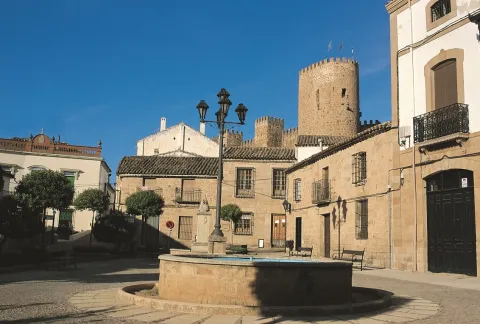
  • Plaza Mayor. This space located between the two hills that form the villa, equipped with water through the venero that would be the pillar of San Mateo, was a knot of encounter of the different pecuaries. It was a nerve center in the city.
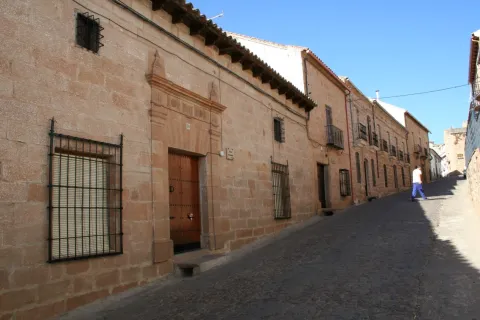
  • Lordhouses, there are many houses blasphemed with shields that leave us witness of rich families in the town, that tell us of the glorious past of the town and that have been preserved over the years.
Loading map
Preparing points of interest and routes...
Imagen principal
imagen
Image
baños de la encina
Imagen principal
Activado

Segura de la Sierra

Submitted by brandcode_deweloper on
Id
919387
Descripción
Descripción larga

These lines correspond to the Treaty of the Mountain, studied by the Duke of Almazan, a document that some researchers attribute to Jorge Manrique. To talk about the 15th century in the Sierra de Segura is to talk about the Manrique family and the border period. A situation in which attacks and responses by Christians and Muslims were frequent. This danger and the border situation can only be seen by entering Segura de la Sierra: remains of walls, towers, entrance doors and on top of the hill, the watchful castle.

The Visits Books of the Order of Santiago described in the late 15th century the castle of Segura de la Sierra as a military compound with weapons to face a siege or, if necessary, to organize a village to attack the enemy. We cannot forget that in 1434 Rodrigo Manrique organized a village to conquer Huécar in the Altiplano granadino.

In Segura de la Sierra, taking advantage of this privileged position and under the security offered by its walls is where Jorge Manrique was raised under the care of his mother, Mrs. Mencía de Figueroa, in the house that still today is preserved five hundred years later.

Breve descripción

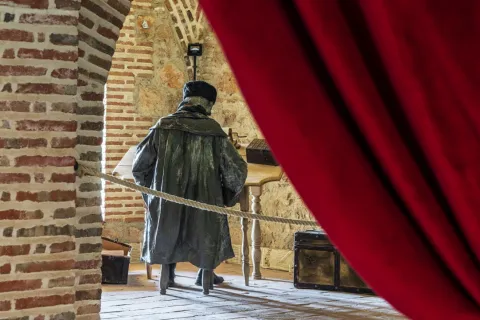
A candle on an oak table, a tintero with a pen and a half-write piece of paper. A figure draws attention to the rest of the room dedicated to the Manrique family on the second floor of the tower of tribute in the castle of Segura. Jorge Manrique is a character closely linked to Segura de la Sierra. If we were to imagine the poet in front of the paper, we might think that the text might start like this: "remind me to be very noble, Mr. Brother, having once said, in they are closer to mockery, you will see if you wanted me to write you something about the work of the Montaria."

Ubicación
Latitud
38.298857
Longitud
-2.651877
Distrito
Ubicación en el mapa
POINT (-2.651877 38.298857)
Tipos de punto de interés
Imágenes cabecera
imagen
Image
1517663098_978370_1517663226_noticia_normal.jpg
Imagen principal
Activado
Loading map
Preparing points of interest and routes...