
 Sierra Cazorla Natural Park and Villas - Home
Parque Natural Sierra Cazorla y Las Villas - Where The Guadalquivir Is Born
Where the Guadalquivir Is Born
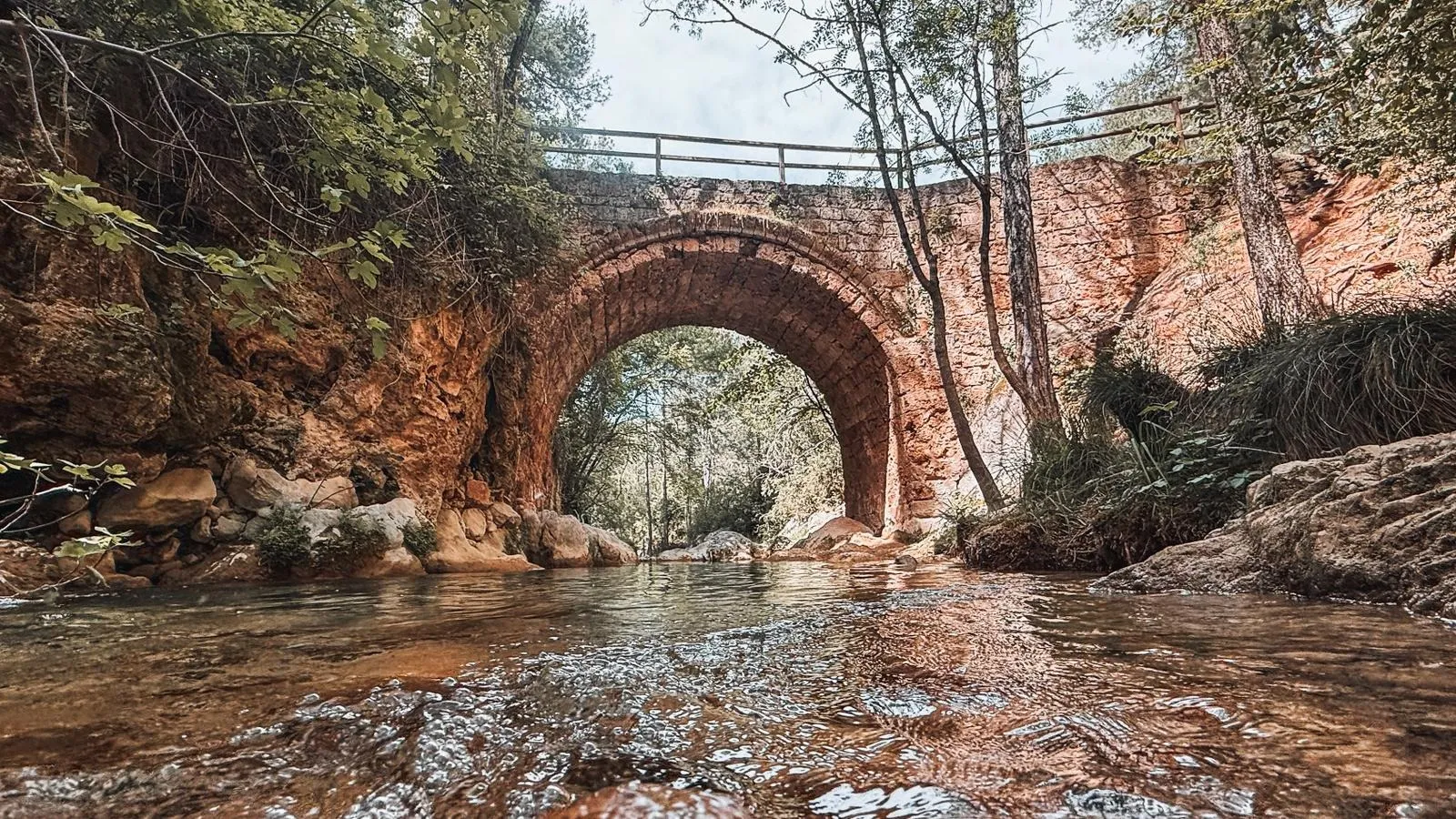
You are about to travel through one of the last natural paradises in southern Spain: a vast refuge for hundreds of important plant and animal species, many of which exist only here. You will not easily forget the herds of fallow deer in the Cañada de las Fuentes or the griffon vultures over the Peña de los Halcones. You will enjoy waterfalls, streams and pools that have the privilege of feeding Andalusia’s most important river in its first steps: the Guadalquivir.
The “Great River”, as the Arabs called it, shapes life in this land and gives rise to the greatest explosion of biodiversity in the park. Here, near Cerro Gilillo, the Cazorla violet (Viola cazorlensis) was first described by science. This area alone is home to around thirty endemic mountain plants, species found virtually nowhere else in the world.
But perhaps the most characteristic feature of this area is its large mammals: spotting a group of Spanish ibex at Los Poyos de la Mesa or a pair of mouflon at the Estrecho de los Perales is a unique experience. Red deer, roe deer and wild boar will cross your path, already somewhat used to people.
The sky is also full of life, with more than 150 species of birds: eagles, kites and falcons await the return of the bearded vulture, the legendary vulture that disappeared from these mountains 20 years ago. Now an ambitious conservation project is working to bring back this peaceful, majestic bird of prey.
In Cazorla, beautiful buildings steeped in legend, culture and gastronomy await you. La Iruela will amaze you with its spectacular Templar castle. In Quesada you can visit the Zabaleta Museum, and in Peal de Becerro the Toya burial chamber, one of the most fascinating Iberian monuments in Spain.
As you travel these paths, you can relive the journeys of Félix Rodríguez de la Fuente, whose memory lives on at the Nava de San Pedro and the Collado de la Zarca. There, a majestic black pine bears his name and reminds every visitor of his respect and passion for nature.
