

There is a place in the south so similar to the north that you may feel the urge to check your map to make sure you really are in sunny Andalusia. During the last Ice Age, the polar ice advanced and pushed the forests of northern Europe southwards. Later, when the climate warmed, almost all of them returned to where they came from. Could a northern forest have liked its new home in the south so much that it decided to stay for ever? In the cool, green forest of Las Acebeas, among tall hollies and hazel trees, you will see that this miracle really did happen.
To broaden your horizons, climb Navalperal, Puntal de la Rayuela or Cambrón, and you will find yourself above a sea of tree-covered mountains. Just twenty minutes from Siles is one of the most visited natural sites in southern Spain: the spectacular source of the river Mundo, the waterfall at the Cueva de los Chorros, in the neighbouring Calares del Río Mundo y de La Sima Natural Park.
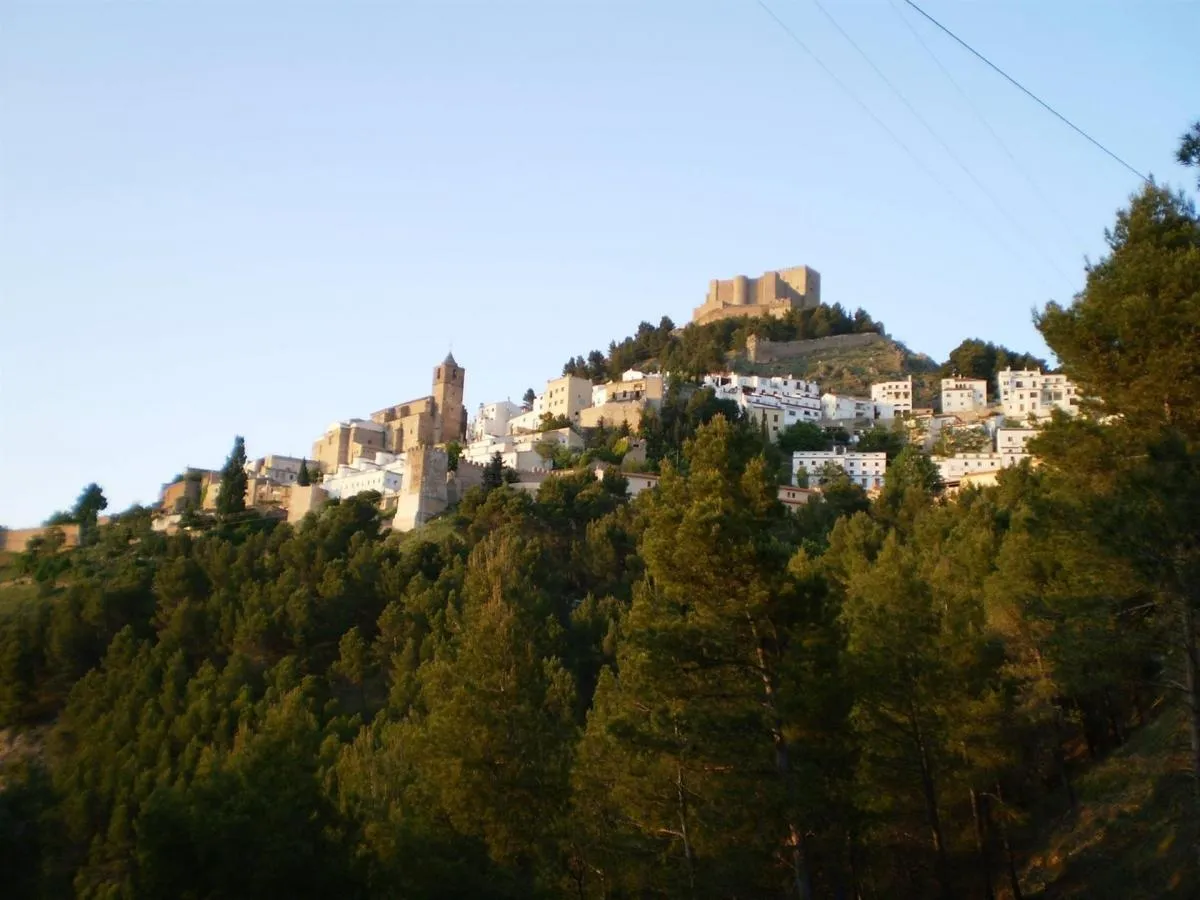
The northern part of the Natural Park stands out for the variety of its landscapes. Here, people and nature have always worked in harmony, creating a mosaic of forests and olive groves. That is why, very close to the rugged mountains, you will find gentle hills covered in olive trees, along with small traditional villages and hamlets.
To discover this culture, rooted in both farming and forestry, there are two visitor centres you shouldn’t miss. In Siles, the El Sequero Visitor Centre introduces you to the old mountain trades. And in Génave you will find the Organic Olive Growing Visitor Centre, dedicated to a type of farming in which the village has been a pioneer.
To complete this rewarding picture of diversity, just outside the Natural Park you will be surprised by the landscape of the last foothills of the Sierra Morena. In autumn, large herds of red deer can easily be seen here during the rut, in open dehesas (wooded pastures) and hills covered with holm oaks and Mediterranean scrub.
